Swelling Legs Feet Pregnancy: Swelling of the legs and feet during pregnancy in the 2nd trimester.
In the 2nd trimester, energy often returns, yet a persistent guest can settle in: swelling of the legs and feet. This swelling, also called edema, affects many women and varies depending on the time of day, the weather, or the level of activity. The main cause remains mechanical and hormonal: the growing uterus compresses the deep veins, blood circulation slows down, and water retention increases in the tissues of the lower limbs. Good news, most of the time, the phenomenon is benign. Better yet, there are simple strategies to keep ankles lighter and regain real comfort on a daily basis.
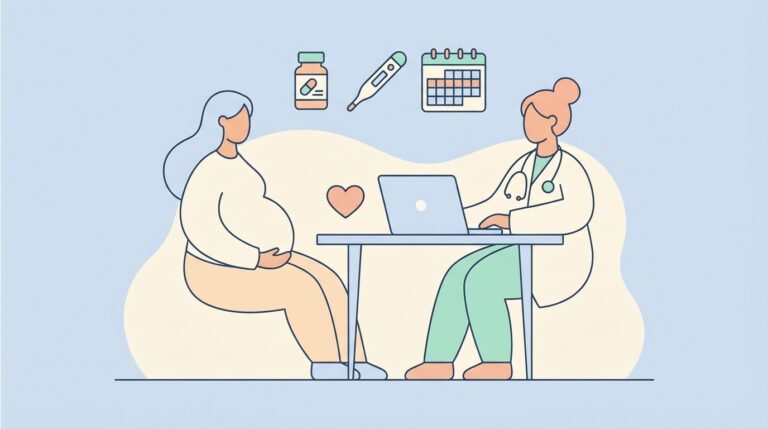
Between vigilance and serenity, the challenge is to distinguish the common edema from a warning sign. A sudden onset, a single painful and warm calf, associated headaches or phosphènes should lead to medical evaluation. Most of the time, pragmatic pregnancy advice changes the game: move at your own pace, elevate your limbs, put on compression stockings upon waking, or sleep on the left side. This guide gathers the essentials, with clear explanations, concrete examples from the 2nd trimester, and tested action plans in maternity wards to relieve feet and legs.
| Short on time? Here’s the essentials ⏱️ |
|---|
| Most swelling in the 2nd trimester is harmless ✅ |
| Main mechanism: venous compression + water retention 💧 |
| Key actions: compression stockings, gentle walking, limb elevation 🧦🚶♀️ |
| Emergency if a single calf is red, hot, painful (phlebitis) ⚠️ |
| Consult in case of hypertension, headaches, “spots before the eyes” 🩺 |
| Prefer the left side for sleeping and cool water jet 🚿 |
Swollen Feet During Pregnancy: Causes and Solutions in the 2nd Trimester
Why do feet and ankles seem to “take up space” in the 2nd trimester? The answer lies in a trio: hormones, blood volume, and mechanical pressure. Under the effect of progesterone, the vein walls relax slightly. Blood flows more slowly, hence a tendency to stagnate in the extremities. At the same time, total blood volume increases to nourish the placenta, which further strains venous return.
Over the weeks, the uterus expands and compresses the inferior vena cava as well as the large pelvic venous trunks. This “bottleneck” slows down the upward flow of fluids from the lower limbs. Lymph and fluids then enter the interstitial space: edema shows itself by deeper sock marks and a sensation of tightness. This is typically more pronounced in the evening and on hot days.
Physiology of swelling during pregnancy
At the microcirculatory level, capillary permeability increases moderately, facilitating water leakage into tissues. The lymphatic system drains, but can quickly be overwhelmed. Result: the legs and feet take the hit. Nothing abnormal if discomfort remains moderate, symmetrical, and fluctuates during the day. Drinking regularly, moving often, and elevating the limbs already help a lot.
This functional picture contrasts with worrying swelling: sudden onset, asymmetrical, or accompanied by general symptoms. The decisive argument remains clinical coherence. A sudden weight gain, a puffy face, headaches, and phosphènes outline another story, that of a pathology to be screened without delay.
Warning signs not to neglect
A phlebitis often manifests as a single red, hot, and painful calf on pressure. In this case, head to emergency: the risk of embolism makes medical consultation imperative. Furthermore, preeclampsia sometimes combines edema, high blood pressure, headaches, and visual disturbances. A clinical exam, urine analysis, and blood test will quickly clarify the situation.
In the 2nd trimester, identifying the mechanism guides the right action. The goal is not to eliminate every millimeter of swelling, but to restore a smoother blood circulation and lasting comfort.
Swollen Legs and Feet in the 2nd Trimester: Aggravating Factors and Mistakes to Avoid
The weather strongly influences. In hot weather, skin vasodilation increases and water retention intensifies. Many pregnant women notice more pronounced swelling after a summer day or in an overheated room. It’s not just an impression: thermoregulation strains the microcirculation and amplifies swelling of the limbs.
Daily habits weigh just as much. Long periods standing, prolonged immobility, or tight clothing at the waist or ankles harm venous return. Yet, a few targeted adjustments are enough to reverse the trend. A future mother who avoids tight elastic bands and breaks up her standing time often gets visible results within a week.
Standing and venous return
Standing still compresses the deep venous network gently. The calf muscle pump, which pushes blood to the heart, functions poorly when static. Alternating slow walking and sitting with footrests greatly improves flow. A shop assistant, for example, benefits from taking micro-breaks every 45 minutes, even for a minute, to activate the ankle.
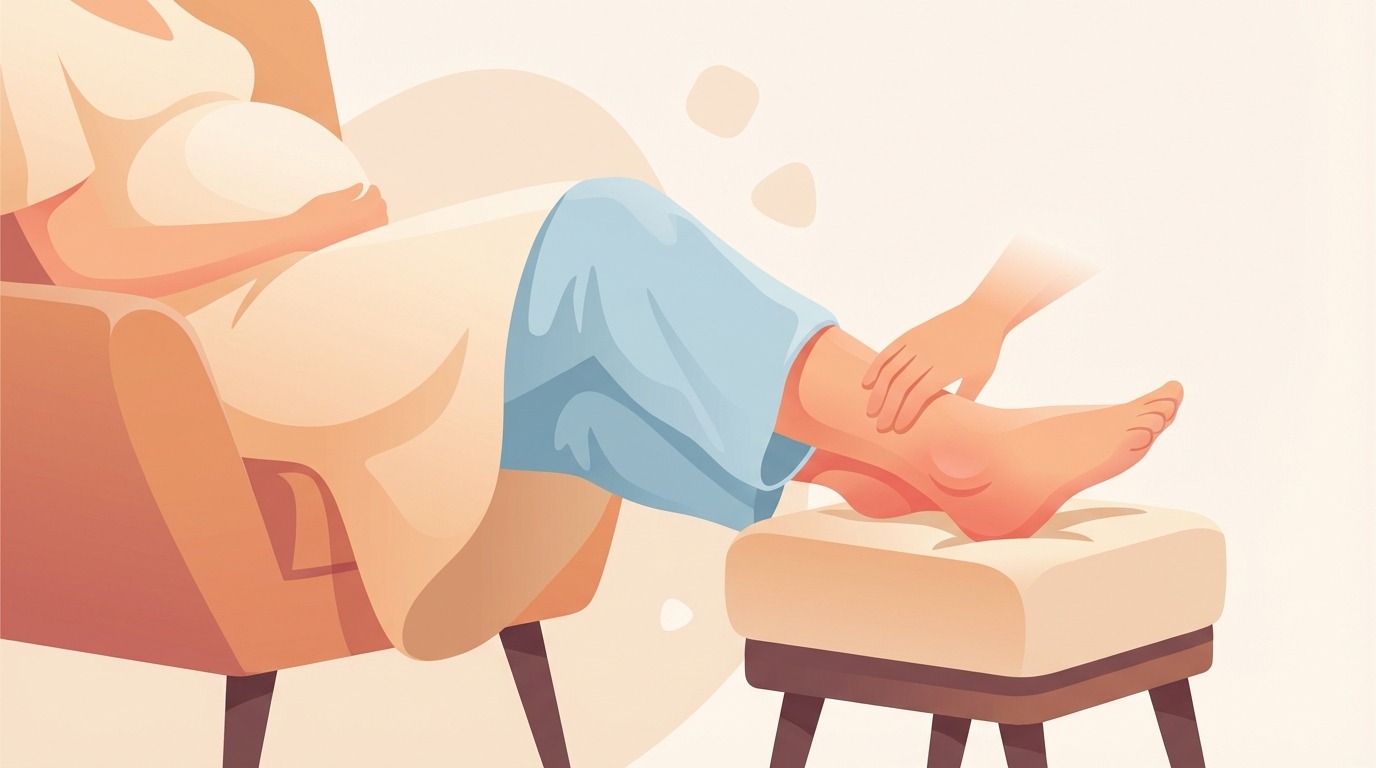
The opposite trap exists: sitting for hours also blocks muscular pumping. Putting feet on a support, mobilizing toes, and doing ankle flexion-extension every 20 minutes change the game. A simple smartphone timer reminds these lifesaving “mini-pumps.”
Heat, hydration, and environment
Heat increases peripheral water retention. Reducing direct exposure, favoring lukewarm showers, and finishing with a cool water jet on the calves help tone the vein walls. Drinking small sips throughout the day fluidifies liquid exchanges, contrary to common belief.
Finally, footwear matters. Shoes that are too narrow increase edema by compressing tissues. Choosing a half-size larger, with soft insoles, avoids the tourniquet effect and offers wiggle room at the end of the day. This practical detail often becomes a major comfort lever.
Concrete Pregnancy Advice: Relieve Edema and Reactivate Blood Circulation
Simple routines, repeated regularly, reduce swelling. The goal is to stimulate the venous pump, free return pathways, and limit aggravating factors. The 2nd trimester lends itself well to these adjustments, as energy returns and moderate activity is more accessible.
Gently activate circulation
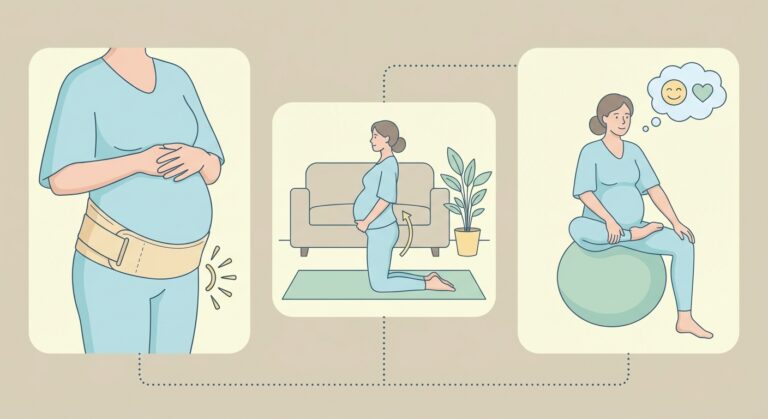
Daily walking, even in intervals, effectively mobilizes the calves. Stationary biking and swimming strain-free improve venous return. Sleeping on the left side relieves the vena cava and promotes better nocturnal blood circulation.
- 🚶♀️ 15–20 minutes of walking, 1 to 2 times daily: gentle and regular pace.
- 🏊♀️ 2 prenatal aquagym sessions/week: cool water = beneficial vasoconstriction.
- 🧘♀️ Ankle exercises: flexion/extension and circles, 2 x 2 minutes, every 2–3 hours.
- 🛏️ Sleep on the left side with a cushion under the knees: venous decompression.
Compression stockings owe their effectiveness to graduated pressure, stronger at the ankle, lighter at the calf. They are ideally put on on waking, before edema has time to set in, and worn all day during standing periods.
Adapt environment and equipment
Avoid direct heat sources, moderately air condition the room, or ventilate during cooler hours to reduce swelling. When showering, finish with a cool upward jet from ankles to thighs to stimulate the venous network. A footrest at the desk, a cushion under calves late in the day, and loose clothing create a chain of synergistic actions.
Regarding care, a light self-massage from bottom to top encourages drainage. Caution with “miracle” gels: the skin absorbs part of the molecules. Better to check the absence of contraindicated essential oils and endocrine disruptors. Effectiveness relies mainly on the technique, not cosmetics.
When Swelling is Worrisome: Distinguishing Benign Edema from Risk Situations
Some clinical pictures should raise concern, especially in the 2nd trimester. Sudden swelling affecting only one leg, accompanied by redness, calf pain, and a sensation of heat indicates phlebitis. This situation requires urgent medical evaluation.
Another risky context: preeclampsia. Rapidly swelling feet and face, sudden weight gain, headaches, and phosphènes constitute a cluster of signs. Blood pressure monitoring, a urine dipstick test for proteins, and a blood test guide diagnosis. Quick screening protects mother and baby.
The story of Lina, 26 weeks pregnant, illustrates these nuances well. Her ankles swell late afternoon without pain and deflate after the night: reassuring profile. One evening, however, her right calf becomes hot and tender: she immediately consults. Doppler ultrasound rules out phlebitis and confirms functional edema. Her journey reminds us that listening to signals allows for fast and accurate reactions.
Beyond emergencies, a simple rule guides: symmetry, slow progression, and improvement at rest suggest common edema; asymmetry, pain, and associated symptoms call for medical advice. Better to check once too often than to hesitate when in doubt.
Lymphatic Drainage, Compression Stockings, Self-Massage: Good Practices in the 2nd Trimester
Three pillars combine to counter swelling: compression, gentle activation, and drainage. Compression stockings of the appropriate class, prescribed if needed, reduce venous stasis and the risk of varicose veins. They are especially useful during standing days, long journeys, and in heat.
Manual lymphatic drainage, performed by a professional, starts proximally (upper thigh) before moving downward, then upward toward the groin and hip. This sequence “opens the doors” before moving distal fluids. At home, a light self-massage, without pressure, moving upward from ankles to knees, brings quick relief.
In real life, these techniques become rituals. Lina included 10 minutes of self-massage after a lukewarm shower, then puts on her compression stockings. She walks 15 minutes after lunch and ends her day by elevating her calves, book in hand. In two weeks, her shoes mark less and her calves seem lighter.
Caution is warranted with associated products. Some gels contain fragrant derivatives or essential oils not recommended during pregnancy. The key remains the technique, regular and gentle, far more than the cosmetic active ingredient. Advice from a midwife or pharmacist helps choose safely.
After Delivery: What Happens to Edema and How to Prevent Recurrence?
In most cases, the venous-lymphatic system regains balance in the weeks following birth. In about three months, feet and ankles return to their pre-pregnancy shape. If swelling persists beyond that, a medical evaluation is necessary to rule out venous insufficiency or another intercurrent factor.
Long-term prevention relies on simple reflexes. Maintaining regular activity, preserving a healthy weight, choosing soft shoes, and avoiding overly tight clothing prolong benefits. During future pregnancies, consider compression stockings early, especially if the history includes marked edema or varices.
Travel requires a plan. For trips longer than two hours, hydrate, mobilize toes, do regular leg lifts, and wear compression to limit swelling. A cushion under calves at the hotel or home speeds recovery. Thus, each life context has its levers; you just need to activate them methodically.
Underlying everything is coherence: protect the calf pump, free return pathways, and cool down when it’s hot. This triptych sums up the best strategy for peaceful legs and feet in the 2nd trimester and beyond.
Is it normal to have edema in the 2nd trimester of pregnancy?
Yes, gradual and symmetrical swelling of feet and ankles is common. It is explained by water retention and venous compression. However, it should decrease at rest and during the night.
What signs require urgent consultation?
A single red, hot and painful calf suggests phlebitis. Sudden swelling accompanied by headaches, phosphènes, or high blood pressure may indicate preeclampsia. In these cases, immediate medical advice is necessary.
Are compression stockings really effective?
Yes. Graduated pressure supports venous return, limits edema, and reduces the risk of varicose veins. They are worn upon waking and during standing periods or long trips.
Which sports should be favored in the 2nd trimester to activate blood circulation?
Walking, swimming, prenatal aquagym and stationary biking are ideal. They mobilize the calf pump without impact and improve venous-lymphatic drainage.
How to sleep in order to limit swelling of legs and feet?
Sleeping on the left side relieves the vena cava and improves venous return. Slightly elevating the legs with a cushion enhances the effect.
“Simple actions, repeated consistently, turn swelling into comfort and give light legs back during pregnancy.”