Iron in Children: The Importance of Iron in a Child’s Diet.
| Short on time? Here’s the essentials ⚡ |
|---|
| 👉 Iron fuels hemoglobin and oxygenation of the growing brain 🧠 |
| 🥦 Combine plant sources and vitamin C to boost absorption 🍊 |
| 🍗 Heme iron (meat, fish) is absorbed better than non-heme iron 🌟 |
| 🔎 Quickly spot signs: fatigue, paleness, irritability ↗️ |
| 🧪 Iron supplementation is done only after pediatric advice 👩⚕️ |
| 📅 From 7 to 12 months: 11 mg/day, a key milestone for complementary feeding 🍼 |
| 🥣 Legumes, cereals, and seafood are daily allies 🥫 |
| 🏫 Coordinate daycare/home for consistent and supported nutrition 🤝 |
Dietary iron supports cellular respiration, memory, immunity, and vitality of the youngest. During growth periods, every detail counts: quality of intake, meal timing, and balance with other nutrients. Families seek simple and reliable benchmarks. They want concrete menus, warning signs not to miss, and keys to collaborate with daycare or school.
At the heart of child health, this mineral paves the way for harmonious development. Yet, iron deficiency remains common, especially between 6 and 24 months, then in adolescence. The good news exists: a well-thought-out diet limits the risk of anemia and reduces emergency visits. This guide gathers physiological basics, age-based needs, best sources, absorption strategies, and action plans. Goal: children growing with energy, curiosity, and appetite for discovery.
Iron and child health: why this mineral conditions development
Iron acts like a conductor. It fuels hemoglobin, which carries oxygen to the brain, muscles, and every cell. Without this supply, the machine jams. Concentration drops, heart rate rises, and complexion pales. In children, these changes happen quickly because growth demands a constant oxygen flow.
Practically, hemoglobin gives blood its color. Its main mission is to capture oxygen in the lungs and deliver it to tissues. Thus, a drop in reserves slows learning. The brain demands fuel. If lacking, working memory tires. Nights become restless. Infections follow more easily.
Neurons, immunity, energy: a decisive triangulation
This mineral also acts as a cofactor for many enzymes. It supports the synthesis of neurotransmitters, including dopamine and noradrenaline. Result: motivation, attention, and stress management improve. Moreover, immunity benefits from stable intake. The body defends better, and school is not disrupted by repeated absences.
Concrete example: Léna, 3 years old, becomes irritable in the afternoon. Her meal is low in protein and lacks vitamin C. Reintroducing a lentil-bell pepper combo changes her vitality. She plays longer and engages in stories read aloud. This improvement illustrates the synergy between dietary iron sources and absorption catalysts.
Why iron deficiency outpaces families
At the start of diversification, portions remain small. Milk covers part of the needs. Then intake must increase fast, especially between 7 and 12 months. Then walking, then daycare, require more energy. If menus don’t keep up, anemia looms. Signs are subtle at first. A calm child may seem “easy” while lacking strength.
Another point: plants mainly provide non-heme iron. It is less well absorbed. However, pairing with citrus fruits, kiwi, or bell peppers greatly improves this absorption. This simple rule turns an ordinary dish into a “turbo” meal. It forms the basis of sustainable and accessible prevention.
In short, betting on this mineral protects attention, resistance to infections, and joy of learning. The next section details real needs, age by age, to plan relevant plates.
Dietary iron needs according to child’s age: benchmarks, common mistakes, and typical menus
Recommendations serve as a compass. They adjust to growth speed and reserves. Commonly used benchmarks are: 0.27 mg/day until 6 months; 11 mg/day between 7 and 12 months; 7 mg/day between 1 and 3 years; 10 mg/day from 4 to 8 years; 8 mg/day from 9 to 13 years; 11 mg/day for boys 14 to 18 years; 15 mg/day for girls the same age. These values help structure daily meals.
Because the context evolves, families often mix daycare, cafeteria, and home. It is thus necessary to intelligently distribute sources. Breakfast can include enriched cereal, milk or substitute, and a fruit rich in vitamin C. Lunch offers animal protein or legumes. Finally, dinner remains light but provides fiber and flavor.
| Age / Stage 👶👧🧑 | Daily iron benchmark ⚙️ | Menu booster idea 🍽️ |
|---|---|---|
| 0-6 months | 0.27 mg | Breast milk or adapted formula 🍼 |
| 7-12 months | 11 mg | Lentil purée + red bell pepper + compote 🍓 |
| 1-3 years | 7 mg | Turkey meatballs + quinoa + kiwi 🥝 |
| 4-8 years | 10 mg | Mackerel fillet + steamed potatoes + orange 🍊 |
| 9-13 years | 8 mg | Chili with red beans + brown rice + salad 🥗 |
| Girls 14-18 years | 15 mg | 5% lean ground beef + spinach + strawberries 🍓 |
| Boys 14-18 years | 11 mg | Tofu wok + broccoli + pineapple 🍍 |
To limit errors, watch for inhibitors. Excess calcium in the same meal, tea, or some fibers slow absorption. Better to space milk intake by an hour around a meal rich in this trace element. Conversely, fresh fruit for dessert boosts overall efficiency.
Typical menus and weekly organization
Monday, a mild dhal with carrots. Tuesday, a sauté of clams and tagliatelle. Wednesday, a quinoa bowl with chickpeas and pomegranate. Thursday, turkey shepherd’s pie. Friday, spinach curry with coconut milk. Thus, each meal supports the average weekly intake.
Teen girls sometimes combine menstrual losses and intensive sport. Regular monitoring is necessary. To better understand these cycles, this dossier on the menstrual cycle and fertility provides useful benchmarks for families.
In conclusion of this section, following age guidelines, balancing plates, and monitoring risk periods secures growth. The next section focuses on concrete foods with an efficient absorption strategy.
Iron sources for children: animal, plant, and smart menus
Two forms dominate: heme iron (animal products) and non-heme iron (plants). The first is absorbed better. The second remains valuable, provided it’s paired with catalysts like vitamin C. This complementarity opens the way to varied, tasty, and healthy meals.
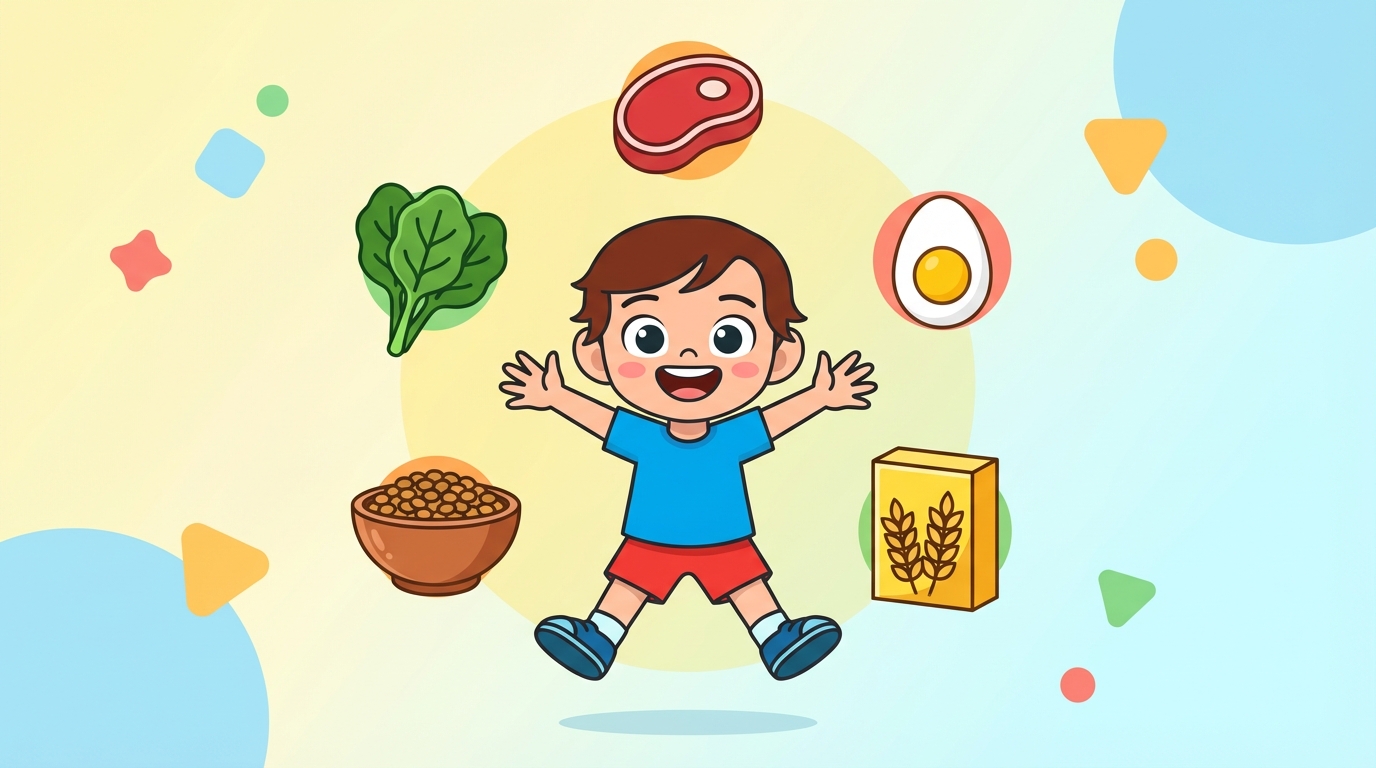
On the animal side, lean meats, offal, mussels, cockles, and oysters offer excellent bioavailability. A small portion often suffices. On the plant side, lentils, chickpeas, beans, spinach, parsley, tofu, pumpkin seeds, quinoa, and whole grains show interesting density. Gentle cooking preserves their benefits.
Optimizing absorption of non-heme iron
The winning rule has three points. First, always pair a fresh fruit, bell pepper, or broccoli with a legume dish. Second, avoid tea at meal time. Third, moderate simultaneous calcium. This simple routine changes everything.
For example, homemade hummus with lemon juice and bell pepper sticks improves bioavailability. A chili sin carne with tomatoes, corn, and coriander does the same. These combinations multiply efficiency without adding supplements.
- 🍗 Meats and fish: beef, turkey, mackerel, clams, oysters
- 🥫 Legumes: lentils, chickpeas, red beans, adzuki beans
- 🥬 Green vegetables: spinach, chard, parsley, broccoli
- 🌾 Cereals and seeds: quinoa, oats, millet, rye, pumpkin seeds
- 🧂 Spices: thyme, cumin, oregano, curry, cinnamon
- 🧊 Tip: pair vitamin C (orange, kiwi, strawberry, bell pepper) with the meal
Dried fruits, like pistachios and almonds, add quality fats and minerals. They support satiety and energy. As a snack after sports, they stabilize blood sugar and aid recovery. They are easy allies to slip into a bag.
Enriched cereals can complement a busy day. However, labels should be read and the least sugary products chosen. A bowl of oats with strawberries and sunflower seeds creates a powerful trio: fiber, vitamin C, and trace elements.
For families planning a pregnancy, micronutrient status also matters. Resources like the anti-Müllerian hormone or cervical mucus help understand the fertile window. Prevention often starts before the child’s birth with balanced nutrition and appropriate assessments.
In short, varying sources, mastering cooking, and caring for combinations turn the table into a true health lever. The next part helps recognize warning signs and act quickly.
Iron deficiency and anemia in children: signs, screening, and effective actions
Early signs remain subtle. Persistent paleness, marked dark circles, breathlessness on exertion, new irritability: these clues add up. Sometimes appetite falls. Other times sleep weakens. It is then necessary to check infection patterns and meal quality.
At school, attention difficulties can emerge. Working memory drops, reading tires faster. In younger children, fine motor skills develop more slowly. These effects stem from oxygen lack and this mineral’s central role in the brain.
Screening: when to consult and what to measure
A blood test is required when doubt arises. Hemoglobin gives a first idea. Ferritin specifies reserves. Transferrin and saturation coefficient refine the analysis. This approach guides what follows: dietary adjustment or iron supplementation if prescribed by the doctor.
Real case: Noé, 9 years old, plays soccer three times a week. He breathes more heavily and his grades drop. Tests reveal low ferritin. By reorganizing meals and adding a temporary supplement with medical advice, his condition improves in a month. Training becomes enjoyable again.
Quick actions and mistakes to avoid
Action is needed on two levels. First, increase micronutrient density on the plate: lean meats, legumes, rich spices, fresh fruits. Then, take care of absorption windows by spacing calcium and tea. This approach reduces medication needs or optimizes effects if treatment is necessary.
Avoid self-medication. Excess can irritate the digestive tract and mask other causes. The right reflex is to consult. Depending on family context, checking the mother’s micronutrient status may be useful. Situations like a medical leave during pregnancy remind us of the importance of close monitoring.
Teen girls deserve increased vigilance. Heavy cycles quickly reduce reserves. Understanding links between menstruation and energy requires reliable data. This dossier on infertility and multifollicular ovaries sheds light on hormonal roles long-term. Sometimes an ovarian cyst is also involved.
Ultimately, rapid screening, smart meals, and coordination with the pediatrician form a protective triptych. The last section translates these principles into simple gestures for home and daycare.
Family strategies 2026: organizing iron-rich feeding at home and daycare
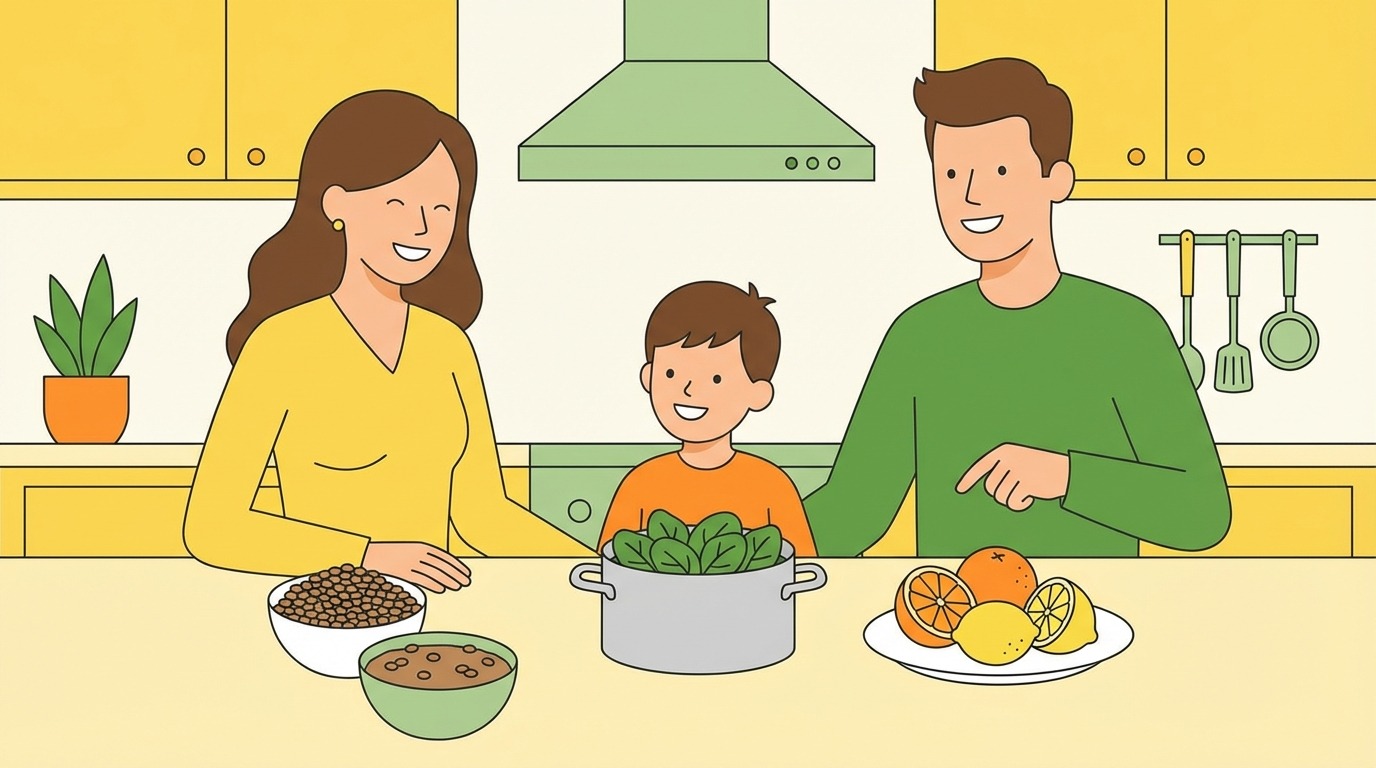
A good strategy starts with the environment. The kitchen should make choices easy. Transparent jars of lentils, a basket of citrus fruits, canned mackerel: all invite quick and good cooking. Children participate joyfully. They rinse quinoa, line up orange slices, and taste more willingly.
Then, alignment of players is needed. Daycare, nanny, or cafeteria play a key role. Sharing a weekly plan helps the team offer complementary meals. This guide on early childhood care options supports families in this coordination.
Anti-deficiency checklist for busy parents
- 🗓️ Plan 2 “legumes + vitamin C” meals per week
- 🥫 Stock cans of chickpeas, tuna, and corn
- 🍊 Add a fruit rich in vitamin C to each main meal
- 🥛 Space milk by 1 hour around a meal rich in this mineral
- 🧂 Sprinkle thyme, cumin, oregano, or curry to boost intake
- 🏫 Align daycare/home on a simple, colorful shared menu
For households planning pregnancy, adjusting nutrition upstream optimizes maternal vitality and the baby’s future mineral status. Some questions, like the effects of tubal ligation and weight gain, deserve personalized medical discussion. Other topics, from AMH testing to cycle monitoring, refine overall body understanding.
During the week, a “30-minute countdown” routine reassures. Monday: spelt soup, spinach, and lemon. Tuesday: whole pasta, clams, and parsley. Wednesday: red bean tacos, tomato-bell pepper salsa. Thursday: chicken, semolina, and orange salad with cinnamon. Friday: tofu curry, broccoli, and pineapple.
On weekends, children cook. They make turkey-quinoa meatballs, blend lemony hummus, and decorate fruit salads. This cooking pedagogy anchors lasting habits. It also boosts self-esteem. Each small win at the table is a big step for child health.
Finally, if a period of fatigue sets in, a check-up is necessary. The pediatrician will assess the need for iron supplementation. The goal remains clear: prioritize smart plates, then supplement if needed. This hierarchy protects the digestive ecosystem and secures growth.
“Iron today is the oxygen of tomorrow’s dreams.”
{“@context”:”https://schema.org”,”@type”:”FAQPage”,”mainEntity”:[{“@type”:”Question”,”name”:”Comment reconnau00eetre rapidement une carence en fer chez lu2019enfant ?”,”acceptedAnswer”:{“@type”:”Answer”,”text”:”Surveillez la pu00e2leur, une fatigue inhabituelle, un essoufflement, une irritabilitu00e9 nouvelle, des ongles cassants et une baisse du2019appu00e9tit. Si deux u00e0 trois signes persistent plus de deux semaines, demandez un bilan avec hu00e9moglobine et ferritine.”}},{“@type”:”Question”,”name”:”Faut-il donner des complu00e9ments de fer sans ordonnance ?”,”acceptedAnswer”:{“@type”:”Answer”,”text”:”Non. La supplu00e9mentation en fer doit toujours u00eatre du00e9cidu00e9e par un mu00e9decin, apru00e8s analyses. Un excu00e8s peut irriter lu2019intestin et masquer du2019autres causes. Priorisez du2019abord lu2019assiette et lu2019optimisation de lu2019absorption.”}},{“@type”:”Question”,”name”:”Quelles associations alimentaires amu00e9liorent lu2019absorption ?”,”acceptedAnswer”:{“@type”:”Answer”,”text”:”Lentilles + poivron ou agrumes, houmous + citron, tofu + brocoli + ananas. u00c9vitez le thu00e9 au repas et espacez le lait du2019au moins une heure autour des plats riches en ce minu00e9ral.”}},{“@type”:”Question”,”name”:”Le lait de vache empu00eache-t-il lu2019absorption du fer ?”,”acceptedAnswer”:{“@type”:”Answer”,”text”:”u00c0 forte dose et pris au mu00eame repas, le calcium peut ru00e9duire lu2019absorption. Il suffit de du00e9caler la consommation de produits laitiers pour su00e9curiser lu2019assimilation.”}},{“@type”:”Question”,”name”:”Quelles pu00e9riodes exigent une vigilance accrue ?”,”acceptedAnswer”:{“@type”:”Answer”,”text”:”Entre 7 et 12 mois, lors de la diversification, puis u00e0 lu2019adolescence, surtout chez les filles avec des ru00e8gles abondantes. Le sport intensif et les infections ru00e9pu00e9tu00e9es augmentent aussi les besoins.”}}]}How to quickly recognize iron deficiency in a child?
Watch for paleness, unusual fatigue, breathlessness, new irritability, brittle nails, and decreased appetite. If two to three signs persist for more than two weeks, request a test with hemoglobin and ferritin.
Should iron supplements be given without a prescription?
No. Iron supplementation must always be decided by a doctor after tests. Excess can irritate the intestine and mask other causes. Prioritize the diet and optimizing absorption first.
Which food combinations improve absorption?
Lentils + bell pepper or citrus fruits, hummus + lemon, tofu + broccoli + pineapple. Avoid tea at meals and space milk by at least one hour around dishes rich in this mineral.
Does cow’s milk prevent iron absorption?
At high doses and taken at the same meal, calcium can reduce absorption. Simply space dairy consumption to secure assimilation.
Which periods require increased vigilance?
Between 7 and 12 months during diversification, then in adolescence, especially in girls with heavy periods. Intensive sport and repeated infections also increase needs.