Top 10 best baby tracking apps in 2026
Between feedings, shifting naps, and piling up appointments, young parents often live according to an invisible schedule. However, over the past few years, a very concrete digital world has settled into pockets and on bedside tables: the app designed to support parenting day by day. In 2026, the selection is vast, sometimes confusing, but it meets a simple need: better understand your baby, save time, and share the mental load.
In practice, these tools cover the entire journey. Some track pregnancy week by week, while others help log feeding, sleep, growth, or even care. Others still organize family life, protect memories, and facilitate handover with a relative or babysitter. So, how to sort, compare, and choose without getting lost? By relying on solid criteria, but also on real uses, like those of Lina and Mehdi, young parents of an infant who want a calmer routine without turning their daily life into a spreadsheet. The common thread is there: finding the balance between simplicity, reliability, and true support.
Short on time? Here’s the essentials |
|---|
Prioritize an app that syncs between adults, offers reliable reminders, and allows data export. Then, complement with a sleep or memory tool if needed. Finally, keep the health record and pediatrician as references for any medical questions. |
Top 10 best free and paid baby tracking apps in 2026: complete guide for young parents
Faced with a multitude of options, the simplest is to start from uses. Lina wanted to note feedings and diaper changes, while Mehdi was looking for a clear view of nights. One app can cover a lot, but not everything, and that’s normal.
Here is a selection of 10 popular solutions in 2026, designed for different profiles: daily tracking, sleep, pregnancy, memories, organization, and even occasional babysitting. This overview helps choose without rushing, and especially avoid tools that are too complex when you’re already tired.
Essential apps for successful baby tracking in 2026
| Application | For whom? | What it does (essentials) | Strength / key point | Availability | Offer |
|---|---|---|---|---|---|
| Baby Tracker | Parents with infant | Log of meals, diaper changes, naps, and pumps | Ultra-fast input (handy at 3 a.m.) + useful PDF export for appointments | iOS & Android | — |
| Huckleberry | Sleep-focused parents | Tracking naps, awake windows, day/night rhythm | Estimates upcoming sleep slots based on history | iOS & Android | Free + Premium |
| Nara Baby | Parents wanting everything consolidated | Feeding, sleep, diapers, notes, charts | Soft interface, designed to avoid overload | iOS & Android | — |
| Baby Daybook | Co-parenting parents | Complete log + family synchronization | “Multi-caregiver” mode adapted to daily handoffs | iOS & Android | — |
| Glow Baby | Parents who like charts | Daily tracking + visualization | Trends + easy-to-read dashboard (choose according to data tolerance) | iOS & Android | — |
| Ovia Pregnancy | Expectant mother | Pregnancy tracking + week-by-week advice | Very concrete checklists for preparing maternity | iOS & Android | — |
| Flo | Cycle, pregnancy, postpartum | Cycle tracking then pregnancy + educational content | Reassuring guided journeys (especially in the first trimester) | iOS & Android | — |
| The Wonder Weeks | Baby development | Markers for developmental “leaps” | Simple explanations to understand more restless phases | iOS & Android | — |
| FamilyAlbum | Memories / family | Private photo album + organization by month | Controlled sharing with relatives, no exposure on social networks | iOS & Android | — |
| Babysits | Childcare | Search for a trusted person + availability management | Structured matching (often a real help to take a break) | iOS & Android | — |
Best pregnancy and parenting preparation apps in 2026

Pregnancy is often the moment when you install your first app. You look for benchmarks, but also a form of companionship, especially when loved ones are far away. The most useful tools don’t drown you in info and set reassuring milestones.
In Lina’s life, the trigger was a “maternity bag” checklist and a memo on tests. Then, she kept the tool in postpartum for notes on recovery. The right choice is the one that fits your rhythm, not an ideal.
Key features and strengths of pregnancy apps for expectant mothers
Weekly benchmarks are central because they make progress tangible. At the same time, calendars of tests and reminders help avoid forgetfulness, especially when work continues. Finally, content validated by professionals makes a difference when anxiety rises.
A good pregnancy app also offers “symptoms” and “questions to ask” spaces. This way, consultations become more effective because you arrive with concrete data. And if a community exists, it must remain well moderated, as excessive comparisons are tiring.
Baby feeding and sleeping tracking apps: top solutions in 2026
The two topics that come up most daily are feeding and sleep. We often think “it’s all in the head,” but fatigue blurs memory. Noting helps objectify and thus adjust better.
In Lina and Mehdi’s couple, simply visualizing schedules defused arguments. Each thought “they did more,” while they were just doing things differently. The tool restored calm because it created a common basis.
How these apps facilitate daily baby management
For breastfeeding, some solutions allow noting the side, duration, and sensations. Then you can spot a pattern, like clustering feedings in the late afternoon. It’s valuable because it avoids thinking “something’s wrong.”
For bottles, volume and timing are tracked effortlessly, and alerts can remind of vitamin D intake. Regarding sleep, awake windows and bedtime routines are often suggested. You save time while reducing trial and error.
Finally, some apps offer soothing sounds, timers, and free notes. When a night is difficult, rereading your own notes helps understand what changed. This clarity becomes a true lever for serenity.
Apps specialized in medical monitoring and care reminders for baby
Medical care demands particular attention since trust is fundamental. A tool can remind about vaccines or check-ups, but must never sow doubt with approximate info. Here, less promise and more rigor is better.
For Mehdi, the decisive point was exporting fever dates, treatments, and reactions. The pediatrician saved time, and the appointment was more useful. One then sees the benefit of precise tracking without dramatization.
The importance of a reliable app with validated data and personalized reminders
A reliable app clearly states its sources and limits. It offers personalized reminders, for example for a 4-month visit, or an iron cure if prescribed. Then, it avoids automatic diagnoses, as they create false emergencies.
The good reflex is to note symptoms, time, and what relieves. This way, you arrive at the doctor with a structured narrative. And if the tool offers a growth log, that’s useful because you spot a trend without interpreting alone.
Apps for managing activities, photos, and baby memories: what to choose in 2026?
Memories are not just aesthetic. They also help get through difficult times because you see the journey made. Yet, phones quickly overflow with photos, and albums get lost.
Dedicated tools create a clear timeline, often by month, and facilitate sending to grandparents. This also avoids exposing the child publicly. The right choice depends on the desired level of confidentiality and sorting simplicity.
Innovative features to record and share key moments
In 2026, some options offer automatic captions, “that day” memories, and on-demand paper prints. Others add audio capsules, like the first giggle. And for sharing, access settings are essential, as not everyone needs to see everything.
An anecdote speaks for itself: Lina recorded a short voice note during the first calm bath. Three weeks later, during a crying phase, she replayed it, and it helped her breathe. Well-chosen digital rituals really support.
Communication and family organization apps around the baby
When several adults take care of the baby, organization becomes a challenge. Messages cross, info gets lost, and everyone does things “their way.” A shared app can become a common dashboard, without rigidity.
In practice, you can divide tasks, schedule appointments, and avoid duplicates. It’s also useful for separated families, as it secures continuity. And when fatigue rises, relational clarity counts as much as schedules.
Multi-device synchronization and sharing with the parental circle
Multi-device synchronization is a strong criterion. Thus, one notes a diaper change, and the other sees the info immediately. Then, rights management must be fine, as a grandparent doesn’t need access to everything, whereas a co-parent does.
For sharing info with a nanny, a “guest” mode is ideal. It limits access while allowing logging meals and naps. This organization reduces tensions because facts, not impressions, are relied on.
2026 Comparison: essential criteria for choosing your baby tracking app
Comparing doesn’t mean testing everything for weeks. Often, it’s enough to assess a few key points, then do a 48-hour trial. Overwhelmed parents need a tool that fades away, not an additional project.
The sorting starts with reliability, then continues with ergonomics. Next, security and the ability to evolve with age are checked. This logic avoids switching every two months.
Reliability, ergonomics, data protection, and adapted features
Reliability relies on supervised content, especially for health. Meanwhile, data protection must be clear: GDPR, secure storage, and limited permissions. An app asking for geolocation without reason is to be avoided.
Ergonomics matter a lot. An “add feeding” button must be accessible within a second. Finally, features must fit reality: multi-child, notes, export, and reminders.
Criterion | What it changes daily |
|---|---|
Synchronization | Fewer messages, more continuity between adults. |
Data export | More efficient appointments and preserved history. |
Reminders | Fewer forgettings for care, visits, and routines. |
Confidentiality | Peace of mind on photos, health, and habits. |
Advantages and limits of free versus paid baby tracking apps
Free versions are often sufficient to start. They allow you to note essentials and understand your needs. However, after a few weeks, some parents want to go further.
Paid plans generally add analyses, advanced advice, and more extensive export options. It’s not about buying “better love,” but time and clarity. The important thing is to pay for real value, not gadgets.
What each option brings according to parents’ specific needs
With free, you often get a simple journal and some reminders. It’s ideal if the baby has a stable rhythm or if you just want a reference. Conversely, premium sometimes offers analyses, including statistics on sleep trends.
For a family alternating several care modes, advanced synchronization and export are a true plus. And if breastfeeding is difficult, a detailed observation module can help discuss with a consultant. The purchase becomes relevant when it reduces mental load.
Practical tips to optimize the use of baby tracking apps in 2026
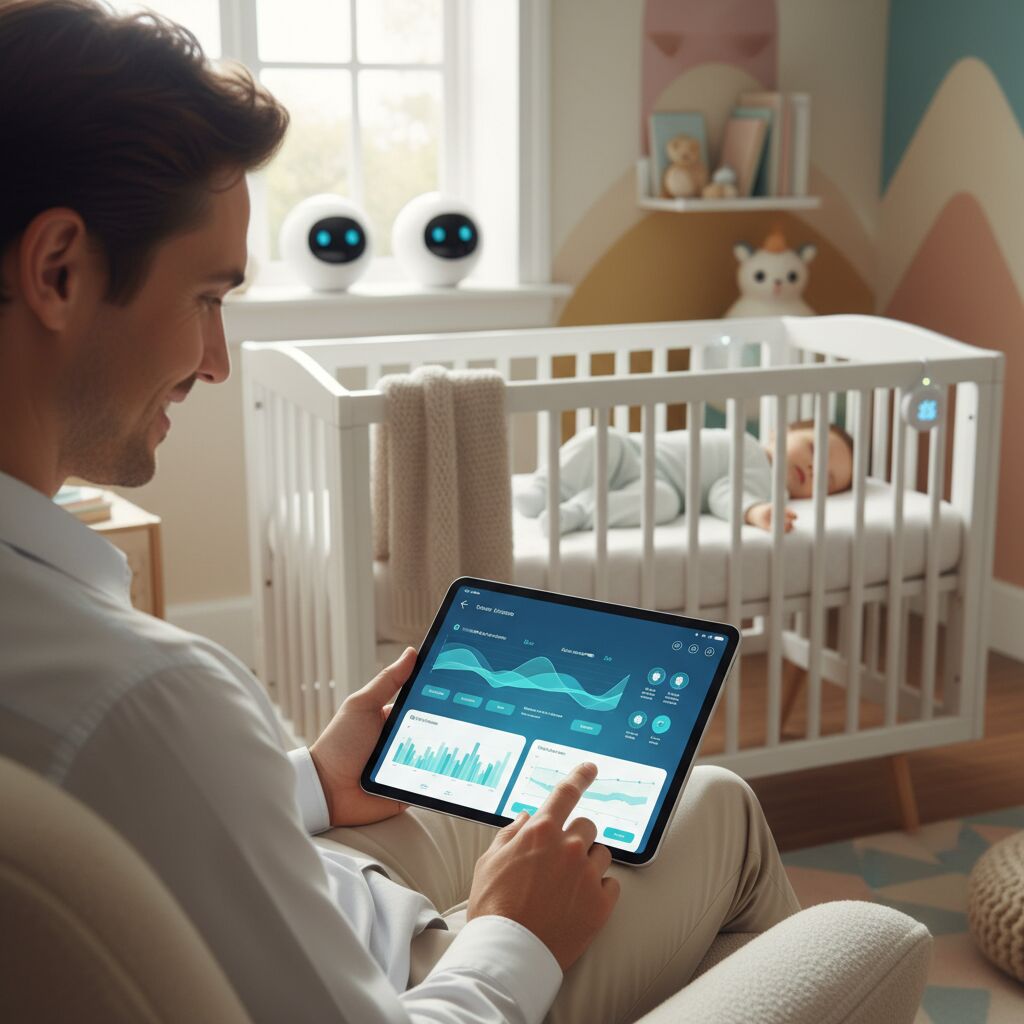
An app only helps if it stays simple. The trap is to measure everything, then get exhausted. Better to choose three useful indicators, then adjust.
Lina started with meals and sleep, then she added care when appointments multiplied. This progression avoided the feeling of being “watched by her phone.” Comfort comes from a light routine.
Create personalized profiles, save data, and share with professionals
Creating a profile per child is essential in case of siblings. Then, enabling automatic backup avoids phone loss disasters. Finally, PDF or CSV export is valuable if a health professional requests a history.
Also think of alerts: vaccines, treatments, and appointments. Moreover, keeping a “notes” area helps link events, like a short night after a too stimulating day. The tool then becomes a smart notebook, but without excess.
Start small: 2 to 3 key entries, then expand if needed.
Schedule useful reminders, but limit non-urgent notifications.
Export once a month, to keep an independent record.
Combine several complementary apps for comprehensive and effective baby tracking
One app can be central, but a duo often works better. You keep a “daily journal,” then add a specialized tool. This way, you avoid too cluttered interfaces.
Mehdi kept a simple journal for meals, while choosing a more specialized sleep tool. Result: less confusion and clearer action. Complementarity is a strategy, not piling on.
Feeding, sleep, activities, photos: how to associate the tools
Pairing a meal/sleep journal with a private photo album is often enough. Then, an activities tool can be added around 6–9 months, when awakening explodes. Finally, a “family organization” app can take over when schedules get complex.
A simple tip: check that each tool has a clear role. Otherwise, you double entries and give up. The golden rule remains fluidity, as useful tracking must stay easy.
Classic medical tracking versus baby tracking apps: an indispensable duo in 2026
The health record and consultations remain the basis. Digital tools bring a fine memory of daily life. Together, they form a very solid duo because they complement each other.
When a parent notes reflux episodes or night coughs, the doctor has context. Conversely, the professional brings analysis and decision. This division protects the family and reassures.
Why apps are a digital complement and not a replacement for the health record
An app may forget a detail or show content that’s too general. The health record follows the child in all services and has official value. That’s why you must keep both while avoiding self-diagnosis.
In case of doubt, the rule is simple: consult. Then, notes help explain better, which speeds up care. Digital then becomes a support, not an arbiter.
Choose your baby tracking app in 2026 based on needs, budget, and compatibility
The best tool is the one you still open after two weeks. To get there, be honest about your priorities: sleep, meals, care, memories, or organization. Then, check iOS/Android compatibility and syncing options.
Budget also matters but is judged by use. If a premium plan avoids arguments and forgettings, it can be worth the cost. Conversely, if it just adds screens, it’s useless.
Test, compare, and select for easier parenting
Testing means simulating a real day. You note a feeding, a diaper change, a nap, then you check access on a second phone. Then, try an export, as that’s often where it all happens.
Also watch for requested permissions and privacy policy. Finally, choose an interface that soothes, as parenting doesn’t need extra stress. A good decision makes daily life lighter.
Innovations and trends in baby tracking apps in 2026
The sector evolves fast, and 2026 marks maturity. We see tools analyzing routines without guilt, and offering simple adjustments. The idea is no longer “measure everything” but “understand better.”
These advances echo a broader movement, already visible in connected health over the last decade: less gadgets, more relevance. And when well done, innovation becomes discreet, thus useful.
Artificial intelligence, health messaging, and interactive features
Artificial intelligence mainly detects patterns, like a recurring sleep window. Then, some apps integrate a health messaging system, with question sorting and supervised answers. This doesn’t replace consultation but guides.
We also see interactive modules for awakening, with simple games and age-adapted milestones. Finally, dashboards become more readable, highlighting growth and overall well-being. At heart, the best novelty remains the one that supports without invading.
“In parenting, the best technology is the one that makes tenderness more available.”
{“@context”:”https://schema.org”,”@type”:”FAQPage”,”mainEntity”:[{“@type”:”Question”,”name”:”How long does it take to see the benefit of a daily tracking app?”,”acceptedAnswer”:{“@type”:”Answer”,”text”:”Often 2 to 4 days suffice, as recurring meal and nap times are already spotted. Then, after two weeks, trends become clearer, especially if two adults enter the information.”}},{“@type”:”Question”,”name”:”Which app to choose if you mainly want to improve sleep?”,”acceptedAnswer”:{“@type”:”Answer”,”text”:”A specialized tool like Huckleberry is relevant if you look for cues on awake windows. However, keep a simple journal in parallel if you also want to note meals, diaper changes, and care without complexity.”}},{“@type”:”Question”,”name”:”Can data be shared with a pediatrician or midwife?”,”acceptedAnswer”:{“@type”:”Answer”,”text”:”Yes, if the app offers export (PDF or other format) or a clear summary. Before the appointment, select a short and relevant period, as a document that’s too long is rarely used.”}},{“@type”:”Question”,”name”:”Are paid versions really necessary?”,”acceptedAnswer”:{“@type”:”Answer”,”text”:”They become useful if you need analyses, advanced exports, extensive synchronization, or specific modules. Otherwise, a well-chosen free version already covers the essentials for daily use.”}}]}How long does it take to see the benefit of a daily tracking app?
Often 2 to 4 days suffice, as recurring meal and nap times are already spotted. Then, after two weeks, trends become clearer, especially if two adults enter the information.
Which app to choose if you mainly want to improve sleep?
A specialized tool like Huckleberry is relevant if you look for cues on awake windows. However, keep a simple journal in parallel if you also want to note meals, diaper changes, and care without complexity.
Can data be shared with a pediatrician or midwife?
Yes, if the app offers export (PDF or other format) or a clear summary. Before the appointment, select a short and relevant period, as a document that’s too long is rarely used.
Are paid versions really necessary?
They become useful if you need analyses, advanced exports, extensive synchronization, or specific modules. Otherwise, a well-chosen free version already covers the essentials for daily use.
Becoming parents means integrating a lot of new information!
We share with you the baby tracking apps that greatly ease our daily life as young parents.
They allow us quick access to the right information at the right time.
This baby tracking app is the follow-up to Pregnancy +, which we loved during pregnancy. Free, it’s a real Swiss army knife.
In my opinion, it’s complete because it offers both daily and baby development tracking (growth, sleep, diapers, feeding/bottles), a guide (development, activities), and tools (lullabies, white noise, doctor visits).
Baby + mainly helps us note feeding times (but also diaper changes or naps) and have precise rhythm tracking.
For those who bottle-feed, the app allows noting quantities and knowing the total ml the baby drinks daily. You can also track the curve of amounts drunk, weight evolution, height, and head circumference.
Another feature we really like is development: it’s a mini guide that explains the baby’s physical, social, and emotional development according to age.
Finally, we appreciate the “key milestones” feature. It lets you note dates of major baby advances: first spontaneous smile, first social smile, first laugh, etc. All these fleeting moments, which we usually quickly forget the date of, are recorded on a timeline allowing some perspective on the baby’s evolution.
The next feature we will use is teeth: you can specify which tooth appeared on which date, and again it’s very easy and visual. Plus, there are reference data for average ages of emergence for each tooth.
My wife already used this app during pregnancy to choose healthy foods and limit her weight gain. She now uses Yuka to assess the quality of baby products she buys: creams, wipes, diapers. By scanning the barcode, she instantly knows if the product’s composition is free of risky ingredients.
It’s an app we’ll try with Gabriel when he’s a bit older. It offers pictures of more than a hundred animals. Just click on one to hear the corresponding animal sound 🐶
And some books that my husband and I still regularly leaf through:
Which baby tracking apps do you use the most on your side ❓Tell us in the comments below 😊