Bone Health Magnesium Calcium: Bone Health: Magnesium as Important as Calcium
| Short on time? Here’s the essentials ⚡ |
|---|
| 👉 Magnesium is just as crucial as calcium for bone health, bone density, and fracture prevention. |
| 🔁 Mineral balance: magnesium activates vitamin D, which optimizes calcium absorption. |
| 🛡️ Osteoporosis: adequate magnesium intake supports bone formation and reduces the risk of demineralization. |
| 🥬 Key sources: green vegetables, nuts, seeds, legumes, whole grains, dark chocolate. |
| 💊 Supplements: 300–400 mg/day magnesium for adults, favoring well-absorbed forms. |
| 👵 At-risk groups: elderly, postmenopausal women, athletes, pregnancy/breastfeeding, digestive disorders. |
| ✅ Daily goal: a varied bone nutrition, good bone support, and regular hydration. |
Bone health does not rely on just one pillar. For a long time, public discussion has emphasized calcium, relegating magnesium to the background. Yet, this discreet mineral orchestrates hundreds of essential reactions, including bone mineralization, vitamin D activation, and neuromuscular balance. At a time when fracture and osteoporosis prevention becomes a societal challenge, understanding this mineral duo changes the game. A comprehensive approach is therefore needed, combining dietary intake, lifestyle, and, if necessary, targeted supplementation.
This guide offers a clear and actionable direction. It details the role of magnesium in bone density, warning signs of deficiency, foods to favor, and supplements to choose wisely. It also shows how to adapt strategy according to age and life situations. Each recommendation is anchored in daily life, with concrete menus, simple benchmarks, and useful precautions. The goal is clear: establish a strong mineral balance that protects the skeleton today and strengthens it for tomorrow.
Magnesium and calcium: a decisive mineral balance for bone health
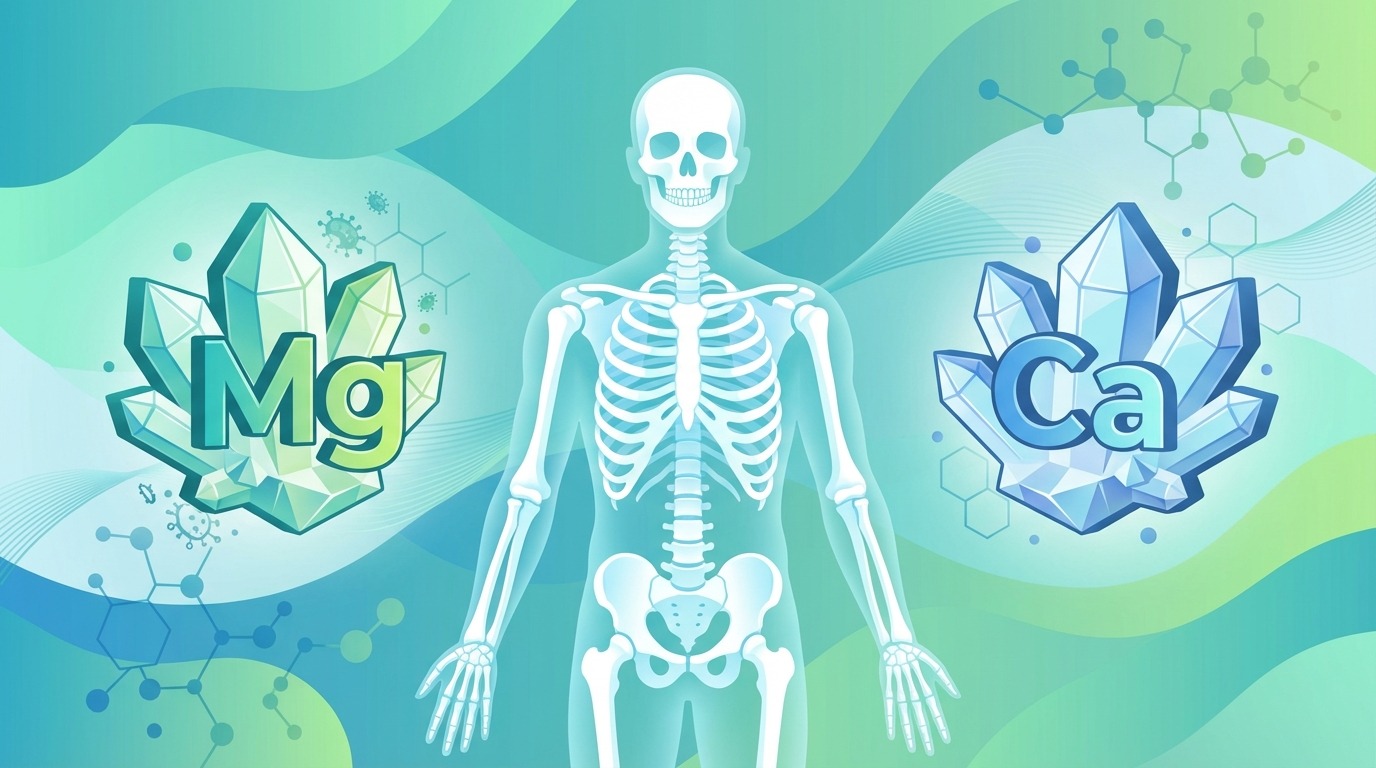
The skeleton is alive. It constantly rebuilds thanks to a close dialogue between osteoblasts, osteoclasts, and mineral matrix. In this dynamic, magnesium supports the crystallization of calcium and the stability of hydroxyapatite. Without it, the structure becomes less dense and more fragile. This is not a minor detail: more than half of the body’s magnesium is stored in bones, indicating its major structural role.
Vitamin D acts as a conductor. However, to activate it into its hormonal form, the body needs magnesium. This step conditions the intestinal absorption of calcium and ultimately the bone density. Thus, aiming for calcium alone without monitoring magnesium is like building a house on incomplete foundations. Mineral balance is achieved through a network, not in isolation.
Why the magnesium–calcium duo changes the game
The first lever: regulation of calcium flow in tissues. Magnesium acts as a cellular gatekeeper. It prevents calcium from accumulating in the wrong place and maintains mineralization where it counts: in the bone. The second lever: reduction of micro-inflammations. By limiting oxidative stress, magnesium supports an environment conducive to bone formation.
The third lever: neuromuscular function. Well-coordinated muscles stabilize posture and reduce falls, thus fractures. A magnesium deficiency may, conversely, increase cramps and fatigue, indirectly but genuinely impacting bone support. In short, magnesium acts on both sides: on bone and on movement mechanics.
Inspirational case study
Imagine Camille, 52, in perimenopause. She had prioritized yogurt and cheese for her calcium for years but neglected green vegetables and nuts. Bone assessment: early osteopenia. By rebalancing her intake towards seeds, rich cacao, and legumes, then correcting a vitamin D insufficiency, her markers stabilized. The key factor? A regular daily intake of magnesium, not a one-time “power shot.”
To summarize this dynamic, let’s remember a simple principle: the more fluid the magnesium–vitamin D–calcium axis, the more bone health progresses. This logic structures the rest of the strategy.
Magnesium deficiency: warning signs, bone impacts, and clear diagnosis
Magnesium deficiency can be subtle. It advances in small steps: night cramps, muscle tension, irritability, fragmented sleep, headaches. In some, chronic digestive disorders or excessive alcohol consumption reduce absorption. Diuretic drugs or PPIs can also affect reserves. Ignoring these signs exposes the bone to progressive weakening.
At the bone level, the outcome is logical. Prolonged insufficiency disrupts vitamin D conversion. Calcium absorption drops and bone density erodes. The risk of osteoporosis and fractures increases with age, especially in postmenopausal women and polymedicated seniors. Bone becomes more porous as the formation/resorption balance tips the wrong way. This cascade fortunately reverses with appropriate correction.
How to confirm and correct
Diagnosis is primarily based on anamnesis and clinical context. A blood test helps, although it does not always reflect tissue stores. The practitioner assesses combined risks: mineral-poor diet, digestive pathologies, family history of osteoporosis. Then proposes a progressive plan: reinforced dietary intake, reasonable sun exposure, and, if necessary, supplementation.
The approach is pragmatic. Natural sources of magnesium are prioritized, doses spread over the day, hydration is monitored. Low-mineral water is suitable daily, but a good hydration routine is important for recovery and electrolyte balance. On this subject, this useful guide on hydration habits throughout the day can inspire simple routines.
When deficiency is confirmed, the professional sets the course. The usual target is around 300 to 400 mg of magnesium daily for adults, considering diet, gender, age, and activity. Divided doses reduce digestive discomfort. Follow-up at 8–12 weeks validates effectiveness and adjusts intake to secure bone support long term.
Practical benchmarks and signs to watch
Diarrhea may occur if the dose exceeds individual tolerance, especially with certain forms. So stay attentive: transit, sleep, muscle tone, athletic recovery. If cramps lessen and energy rises, the path is correct. Meanwhile, don’t lose sight of vitamin D, the pivot of mineral balance. This vigilance builds lasting bone protection.
Essential checkpoint: bone gains strength when metabolism regains coherence. This coherence protects against stress fractures and unfortunate falls.
Daily bone nutrition: foods rich in magnesium and calcium, recipes, and routines
Cooking is the first pharmacy for bones. A colorful plate often concentrates what makes for good bone health: magnesium, calcium, quality proteins, vitamins, and polyphenols. Leafy green vegetables, legumes, seeds, and nuts offer a solid base. Dairy or fortified products, calcium-rich waters, and fish provide targeted complements. Together, they form the basis of bone nutrition.
One detail matters a lot: organization. Snacks based on almonds, quinoa salads, whole wheat pasta with seed pesto, or rich dark chocolate can cover a large part of mineral needs. For ready ideas, this recipe for Greek lentil salad ticks magnesium, fiber, and satiety boxes.
Reference table of foods rich in magnesium and calcium
| Key foods 🥗 | Average magnesium/serving ⚙️ | Average calcium/serving 🦴 |
|---|---|---|
| Almonds (30 g) 🌰 | ≈ 80 mg | ≈ 75 mg |
| Pumpkin seeds (30 g) 🎯 | ≈ 150 mg | ≈ 20 mg |
| Cooked spinach (100 g) 🥬 | ≈ 80 mg | ≈ 100 mg |
| Black beans (1/2 cup) 🫘 | ≈ 60 mg | ≈ 25 mg |
| Dark chocolate 70% (30 g) 🍫 | ≈ 95 mg | ≈ 20 mg |
| Plain yogurt (150 g) 🥣 | ≈ 20 mg | ≈ 180 mg |
| Sardines with bones (100 g) 🐟 | ≈ 35 mg | ≈ 380 mg |
Easy-to-follow weekly routine
- 🥣 Monday: bowl of oatmeal + almonds + berries. Energy and fiber at their best.
- 🥗 Tuesday: quinoa, spinach, sunflower seeds. Mineral balance ensured.
- 🌮 Wednesday: black bean tacos + cabbage. Bone support and plant proteins.
- 🍣 Thursday: salmon, steamed broccoli, brown rice. Vitamin D and omega-3.
- 🍝 Friday: whole wheat pasta + pistachio pesto. Magnesium express.
- 🥜 Saturday: almond snack + dark chocolate. Antioxidants welcomed.
- 🍲 Sunday: red lentil soup + kale. Bone density in sight.
During pregnancy, needs increase and require focused attention. A clear overview on essential vitamins and minerals during pregnancy helps plan complete meals. For broader dietary habits, this guide on balanced eating during pregnancy offers useful benchmarks.
Final cooking tip: varying textures and colors makes the plate more attractive and improves adherence over the long term. Consistency creates results, and the bone loves regularity.
Magnesium and calcium supplements: choosing well, dosing well, avoiding pitfalls
When the plate is not enough, supplements take over. Magnesium citrate and bisglycinate are generally well tolerated. Oxide is cheaper but may be less well absorbed. Choice depends on context: digestive issues, budget, recovery goals. Quality, traceability, and formulation simplicity remain key.
For adults, a target of 300–400 mg/day magnesium is relevant, adjusted according to diet and profile. Divided doses, at meals or in the evening, may improve tolerance. Note: rapid excess can cause diarrhea and discomfort. Increase stepwise. Also associate an adequate dose of calcium, around 1000 mg/day in adults, preferably through diet.
Essential precautions and particular profiles
Elderly people, postmenopausal women, and athletes often have higher needs. Chronic gastrointestinal disorders and alcohol consumption also affect reserves. In such cases, professional support is necessary. Also beware individuals prone to kidney stones: excess calcium may be problematic. The watchword is therefore moderation and personalization.
Another key point: interactions. High zinc doses taken long term can compete with magnesium absorption. Some antibiotics require spacing. PPIs alter digestive absorption. A pharmacist or doctor will confirm the best timing for each dose. This orchestration avoids underperformance and guarantees consistent bone support.
When and how to reassess
After 8–12 weeks, it is wise to check progress. Sleep, cramps, muscle recovery, digestive comfort, and if indicated, biological markers show the trend. If tolerance is good but target not reached, dosage is refined. If adverse effects occur, change form or strengthen dietary portion. This agile management establishes a lasting mineral balance.
Final useful reminder: supplements are allies, not substitutes. They fill gaps, especially when diet does not cover all needs or during vulnerable periods. This pragmatic approach prioritizes safety.
Adapting bone strategy according to age and life situation
Skeleton needs evolve with life. In children and adolescents, growth accelerates bone building. In adulthood, the focus shifts to maintenance. Then, at menopause and old age, prevention of osteoporosis and fractures is paramount. At every stage, magnesium remains a powerful lever, as much as calcium.
Childhood and adolescence
Movement is a cofactor of bone density. Activities with reasonable impact, such as running or controlled jumping, stimulate bone. At the table, combine dairy products, green vegetables, legumes, and whole grains. Regular hydration strengthens this base. To establish family habits, this practical guide on preparing children for winter challenges offers concrete routines.
Pregnancy, breastfeeding, and peripartum
Mineral needs increase and require fine planning. A complete overview on useful vitamins and minerals during pregnancy helps anticipate. The goal: secure maternal bone nutrition while supporting fetal growth. After birth, fatigue and hormonal adjustments shake balance. This file on postpartum changes helps reorganize without sacrificing the plate.
Menopause and seniors
Estrogen decline accelerates bone loss. So increase nutritional density: more green vegetables, seeds, fatty fish, and dairy or fortified products. Also monitor vitamin D and regular physical activity, with muscle strengthening and balance training. Bone support is also played out in fall prevention through trained postural stability.
Athletes and demanding rhythms
Intensive effort increases sweat losses and metabolic demand for minerals. Splitting magnesium intake and relying on smart salty/sweet snacks becomes strategic. Signals such as muscle twitching, performance drop, or fragmented sleep guide adjustment. Controlled hydration accompanies muscle regeneration and protects bones long term.
Key guiding principle: each life stage requires a specific gesture. But the intention remains common, clear, and motivating.
“Strong bone is born from a winning trio: magnesium, calcium, and daily consistency.” ✨
How to know if my magnesium intake is sufficient to protect my bones?
Watch three simple signs: fewer cramps, better sleep, and stable tone. If your diet daily includes green vegetables, legumes, nuts, and whole grains, you are on the right track. In case of doubt, medical advice and, if needed, a targeted assessment will refine the strategy.
Is calcium still essential if I take magnesium?
Yes. Magnesium and calcium complement each other: one regulates and activates (via vitamin D), the other mineralizes. This is the duo that strengthens bone density. Prefer foods first, then adjust occasionally with supplements if necessary.
Which magnesium supplements are best tolerated?
Citrate and bisglycinate are often well absorbed and better tolerated. Start low, divide doses, and increase gradually to avoid digestive discomfort. Ask for advice if you take other medications.
Can I cover my needs solely through diet?
Many succeed with a varied plate. However, pregnancy, menopause, certain treatments, or sensitive digestion may require temporary help. In these cases, a well-chosen supplement offers reliable bone support.
Quick steps to strengthen my bone nutrition?
Add a handful of almonds or seeds daily, include green vegetables at every meal, choose whole grains, and expose yourself reasonably to the sun. Hydrate regularly and plan two to three mineral-rich recipes per week.