Pregnant Women Help: New program to help pregnant women find a healthcare professional
| Short on time? Here is the essential ✅ |
|---|
| 🗺️ A support program directs pregnant women to a health professional available near their homes within 72 hours. |
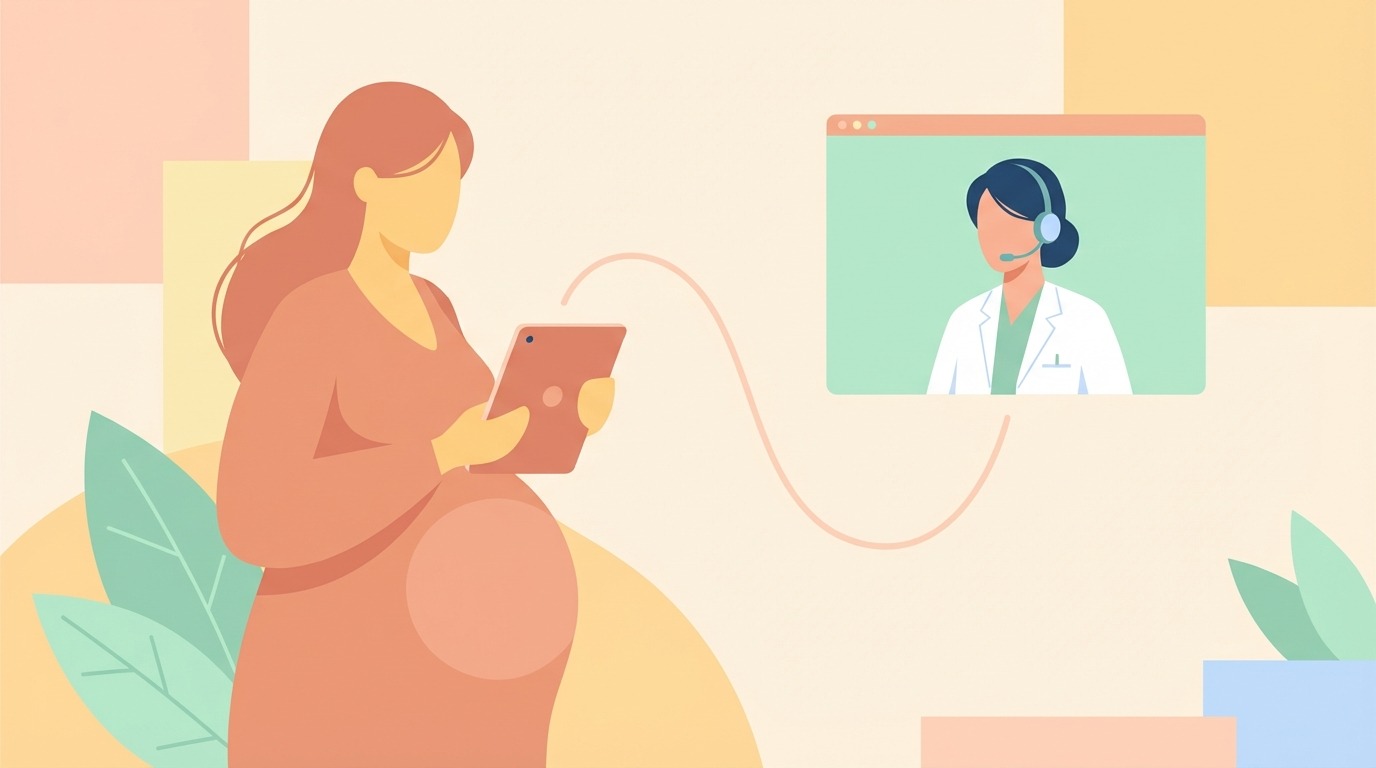
| 📞 A unique phone number, a secure chat, and an online portal centralize pregnancy support and prenatal care. |
| 🏥 The pathway relies on PMI, midwives, maternity wards, and specialized Pregnancy and Addiction consultations. |
| 💶 Financial aids integrated into the identification: birth allowance, increased RSA, AMASE, CAF loans, CCAS aids. |
| 🧠 Workshops on birth preparation, mental health, and parenting education complement the care for pregnant women. |
Across the territory, maternal health is advancing with a new simple tool: a unique entry point that quickly connects pregnant women with a trained and available health professional. Appointment wait times decrease, pathways become clearer, and prenatal care becomes more humane. In parallel, access to rights is triggered early to prevent care abandonment and impossible month-ends.
This support program brings together private and hospital midwives, maternity wards, PMI centers, social workers, and associations. It directs towards adapted medical pregnancy follow-up, from the first prenatal consultation to the postpartum period. Future mothers thus find concrete answers: whom to contact, when to consult, how to finance, and how to prepare calmly for the baby’s arrival.
Support program and orientation to a health professional: how it works
The operation relies on three access points: a national number, a secure chat, and a web portal. From the first contact, a brief assessment identifies needs: obstetrical monitoring, social situation, language, mobility, addictions, or medical history. The right interlocutor is identified within minutes.
The system cross-checks geolocation and partner schedules to offer an appointment within 72 hours. If no slot is available, a referral maternity ward or a mobile midwife is contacted. This network reduces mental load and prevents weeks of waiting, which are too frequent in some areas.
From first contact to prenatal consultation
From the first exchange, the pregnancy declaration is anticipated to activate 100% coverage and schedule the initial prenatal consultation. The goal is clear: secure the first trimester, as that is where everything is at stake for prevention and social rights.
An example highlights the interest: Emma, 22, lives far from a big city and has no car. The chat connects her with a private midwife 15 minutes away by bus and a slot available during the week. The portal then sends a reminder, a list of documents, and a guide to access the local PMI.
An integrated network, including in cases of vulnerability
The program relies on specialized Pregnancy and Addiction consultations in several maternity wards. Complex situations are thus taken care of without delay, with a clear protocol between obstetricians, midwives, addiction specialists, and psychologists. This safety net limits risks for mother and child.
Social orientation is joint when accommodation, food aid, or rights regularization is necessary. Contact is established with the CCAS, CAF, or a maternal center depending on the situation, leaving no blind spots.
In short, entry into the pathway becomes fluid: a request, a plan, an appointment, and an identified team. This is at the heart of the commitment: no woman remains alone facing her pregnancy.
Quick access to pregnancy medical monitoring: PMI, CPAM, PUMa, AME
The foundation of the pathway remains 100% coverage of pregnancy-related care. From the 6th month, it extends to almost all medical acts. Delivery costs are fully reimbursed in contracted establishments. This achievement avoids the debt spiral.
Universal Health Protection (PUMa) covers people with stable and regular residence. Women in irregular situations can apply for AME. Program advisors assist in filling out files and providing documents to speed up access to rights.
PMI: care and advice up to 6 years of age
PMI centers offer pregnancy consultations, vaccinations, postnatal follow-up, and practical advice. Many offer home consultations, parenting workshops, and social permanences. Access is free and open to all.
For treating minor ailments, complementary solutions are possible. Reliable resources detail, for example, the metallic taste during pregnancy, natural remedies against pregnancy mask, or skin care during pregnancy. The essential thing is to discuss these with your midwife.
Quick access care checklist
The program provides a simple list to start monitoring without losing time. It gathers documents, contacts, and deadlines, with automatic SMS reminders.
- 🗂️ Pregnancy declaration sent before the end of the 3rd month.
- 📅 Prenatal consultation appointment scheduled within 72 hours.
- 🏥 Registration at the maternity ward and pre-admission visit.
- 🦷 “MT Teeth” check-up offered from the 4th month.
- 🚖 Transport prescription from the 6th month if needed.
- 📘 Referral to PMI for workshops and free follow-up.
This checklist is shared with the future mother and the health professional to keep on track together. Proactive follow-up prevents dropouts, common when distance or language are barriers.
Financing pregnancy and securing daily life: aids integrated into the pathway
The financial aspect is addressed from the start because the mental load explodes when the budget is tight. The birth allowance, subject to income, comes into effect at the 7th month. It allows buying necessities and anticipating the baby’s arrival.
In cases of low income, the RSA can be increased for a single parent. Some CAFs also offer zero-interest honorary loans for furniture, urgent bills, or essential vehicles. The CCAS sometimes supplements at a critical month.
Going beyond classic aids
In certain situations, AMASE supports households in severe precarity. Maternal centers and associative shelters offer accommodation and educational support. Spaces are limited, so early signaling is essential.
Students can request temporary accommodation from the CROUS social service. Minor women are protected by Child Social Assistance, especially in cases of family conflict or violence.
Better anticipation of expenses
Program budget workshops help plan for strollers, beds, and transportation. They include medical recommendations and tips for safe second-hand items. For relaxation, ideas like homemade bath salts can relieve stress, with approval from a midwife.
Back and pelvic pain are frequent. Resources on osteopathy during pregnancy clarify options to discuss with the referring professional. The goal is not to multiply expenses but to choose useful and validated actions.
Ultimately, money should not be a barrier. The pathway puts aids within reach and synchronizes files to avoid rights loss and payment delays.
Prenatal care, mental health, and birth preparation
Birth preparation is not limited to the delivery room. It starts with breathing, mobility, pain information, and the co-parent’s role. Sessions are adapted: in-person, virtual, or group workshops at PMI.
Mental health is addressed from the first trimester. Systematic screening identifies anxiety, isolation, and depressive history. Early psychosocial interviews offer concrete solutions, without stigmatization.
Reliable content, concrete actions
Program libraries gather sheets, videos, and podcasts. They cover birth preparation, breastfeeding, sleep, and pain. Couples gain autonomy and better recognize warning signs.
Everyday topics find their place: managing a metallic taste during pregnancy, soothing skin with natural remedies against pregnancy mask, and skin care during pregnancy. These tips integrate with medical follow-up.
When specific expertise is necessary
For high-risk pregnancies, close coordination involves gynecologist, midwife, and maternity ward. Specialized Pregnancy and Addiction consultations exist in several hospitals, with dedicated pathways and social support.
If a breech presentation is detected, the obstetrician–midwife duo proposes a personalized strategy. Practical information on breech baby and osteopathic follow-up complements clinical discussion, to choose with informed consent.
This comprehensive approach strengthens confidence. Pregnant women become active, supported, and informed, without ever feeling overwhelmed.
After birth: relay to the right caregiver and first parental milestones
Continuity of care is planned before discharge from maternity. A postnatal appointment with the midwife, a weighing at PMI, and the first-month visit to the pediatrician are scheduled. This rhythm prevents worries and detects difficulties early.
Rights also evolve: paternity leave and birth leave, benefits recalculated at CAF, and childcare options. The program offers a simulator and assistance to apply for the Complement of free choice of childcare mode.
Prevention rather than cure
In winter, vigilance is required. Practical guides help protect children from the cold and avoid seasonal infections. In the park, better knowledge of playground safety rules protects toddlers.
The program’s alert system also reminds parents about vaccines, baby-led weaning, or speech therapy appointments if needed. Parents feel supported without being overwhelmed.
A clear and shared logbook
A digital logbook gathers reports, exams, and growth curves. It is shared between the family and the care team with simple consent. Information is no longer lost between structures.
In emergencies, a button calls an on-call midwife. Maternal and neonatal signs that cause concern are detailed, with adapted instructions. Reassurance prevents unnecessary emergency visits while securing when they are necessary.
This strong relay from maternity to home saves time, energy, and much serenity.
“Finding the right caregiver at the right time is already taking care of yourself and your child.”
How to quickly get a prenatal consultation appointment?
The support program offers a national number, a chat, and an online portal. After a brief assessment, an appointment is offered within 72 hours with a midwife, gynecologist, or the nearest PMI. Complex cases are directed to a referral maternity ward.
What financial aids can be activated during pregnancy?
Depending on the situation, birth allowance, increased RSA for single parent, AMASE, CAF zero-interest honor loans, and CCAS aids can be mobilized. The program’s social team helps compile files to avoid delays.
What if the maternity ward is far from home?
If the maternity is over 45 minutes away, Health Insurance can cover up to 5 nights in hospital hotel before the expected delivery date. The program facilitates the request and transport planning if needed.
Is PMI reserved for certain people?
No. PMI consultations are free and open to all pregnant women and children up to 6 years old. They provide medical follow-up, vaccinations, workshops, and social advice.
How to prepare for birth without stress?
Sessions led by midwives cover breathing, mobility, pain management, and the co-parent’s role. Reliable resources complement these courses and allow adapting advice to daily life.