
Brother Sister Age Gap: Brother and sister: the ideal age gap according to Naitre et Grandir.
| Short on time? Here’s the essentials ⚡ |
|---|
| There is no “ideal” age gap between brother and sister: it all depends on the family, resources, and parenting plan 😊 |
| The French average is around 3.2 years (INSEE), but every sibling group builds its own fraternal relationship 🔎 |
| Less than 18 months between two children increases medical risks; complicity can be strong, rivalry too ⚖️ |
| A large age gap often soothes tensions, while shifting interests 🎯 |
| According to Naître et Grandir, the “ideal” is built through listening, adjustment, and quality exchanges 💬 |
Between parental expectations, daily constraints, and attachment needs of children, the question of the age gap between a brother and a sister arises with every new birth project. National figures mention an average, but experience often differs from statistics. Thus, the “ideal” does not impose itself; it is built over time, at the pace of the family and sibling dynamics.
Scientific benchmarks provide useful guidelines without ever dictating a norm. Moreover, Naître et Grandir reminds us that the fraternal relationship is woven through experiences and emotional availability. Since every home adjusts its organization, the winning strategy combines logistical realities, maternal health, and the development of each child. However, the essential thing remains the quality of presence and educational flexibility.
The family grows: is there an ideal age gap according to Naître et Grandir?
The temptation is great to look for a magic number. Yet recent surveys confirm a simple idea: the best interval depends on the family’s balances. According to data published in 2024, the average in France reaches about 3.2 years of gap. However, thriving sibling groups exist well beyond this benchmark.
Professionals cited by specialized media emphasize a cardinal point. The ideal varies with the personality of children, marital history, and mental load. Thus, opinions from sources like Parents.fr or Doctissimo converge with Naître et Grandir: no universal rule, but relational constants.
Useful benchmarks for deciding in 2025
First, maternal health demands a cautious pace. A delay of less than 18 months increases certain risks for mother and newborn. Next, logistics come into play: childcare modes, budgets, available time, support network. Finally, parental projection counts as much as circumstances.
The fictitious Karim family illustrates this. Two births 16 months apart created intense synchronization. However, a carefully planned organization avoided exhaustion. In contrast, among the Lemoine family, five years separate Clara and Hugo. The older sibling willingly acts as godparent in play, without strong rivalry.
- ✅ Protect maternal health and postpartum recovery 🩺
- ✅ Evaluate available energy and network support 🤝
- ✅ Anticipate school, childcare, and transportation 🚌
- ✅ Clarify expectations for the fraternal relationship 💞
- ✅ Remember that the ideal is a compass, not a norm 🧭
| Age gap 🕰️ | Observed trends 👀 | Points to watch ⚠️ |
|---|---|---|
| 0–18 months | Fierce complicity 🤗 | High parental fatigue 😮💨 |
| 2–4 years | Balance of practices/affects ⚖️ | Jealousy to manage 🧯 |
| 5 years and + | Less rivalry 🌿 | Shifted interests 🎲 |
In short, the decision benefits from being contextualized. Because needs evolve, the right timing becomes the one the family can sustain.
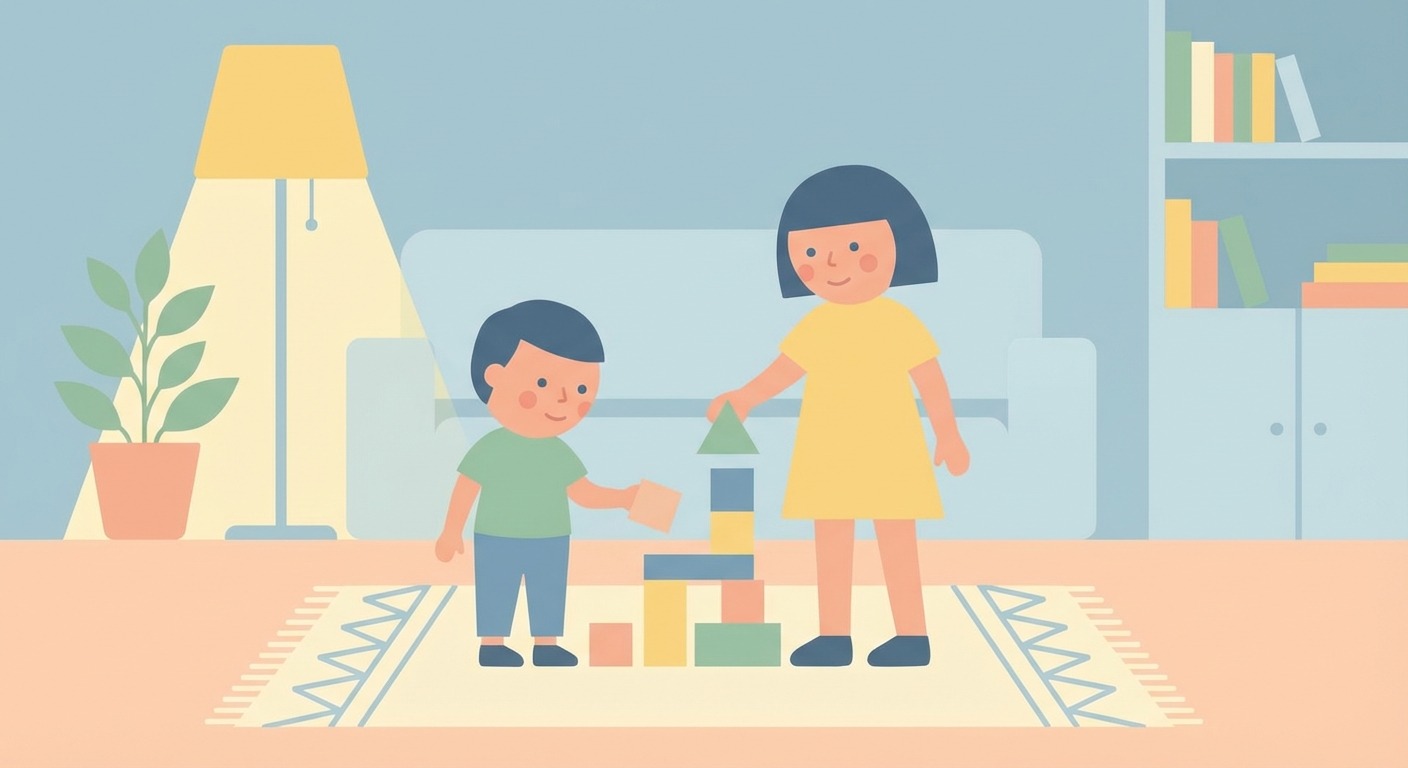
Close siblings (0–2 years): intense complicity, firm organization
When the age difference is small, the children share the same rhythms. They play together early and understand each other without words. Yet, daily intensity demands precise structure.
With the Karims, naps are synchronized. Thus, parents scheduled meals and bedtimes within 15 minutes of each other. This regularity reduced simultaneous crying. Furthermore, the siblings built shared rituals while keeping individual times.
Complicities and rivalries to tame
Proximity nurtures attachment. On the other hand, rivalry arises for attention and toys. So clear and stable rules must be set. Moreover, “one child/one parent” moments reassure each.
- 💡 Synchronize 1 to 2 key rituals (bath, story) to ease evenings 📚
- 💡 Set up a basket of “duplicated toys” to limit conflicts 🧩
- 💡 Plan weekly individual bubbles with each child 🗓️
- 💡 Encourage short and concrete help between brother and sister 🙌
Professionals remind us of the importance of guidelines. The more explicit the framework, the less jealousy takes hold. Thus, channelling common energy becomes easier.
| Challenge 🔍 | Quick action 🚀 | Impact on siblings 🌈 |
|---|---|---|
| Frequent disputes | 10 min timer per turn ⏱️ | Visible fairness |
| Evening fatigue | Common ritual + night light 🌙 | Calmness |
| Jealousy crisis | “One-on-one” time 🤗 | Emotional safety |
For further insight, an educational video clarifies these dynamics and offers practical gestures.
Finally, keeping a medium-term vision helps. The intensity of the first years diminishes with school.
Average gap (2–4 years): strategic balance favored by many families
With around 2 to 4 years of interval, organization gains flexibility. The national average, close to 3.2 years, reflects this compromise. Indeed, several surveys in 2024 confirm it.
This setup allows guiding the eldest toward more autonomy. Meanwhile, the younger receives attention suited to their age. Thus, the burden is better distributed. However, jealousy remains possible with the baby’s arrival.
How to anchor a solid fraternal relationship
The key lies in acknowledging roles. The eldest often leaves daycare or kindergarten, while the younger discovers the world. Yet, each needs exclusivity. Moreover, naming emotions releases tensions.
- 🌱 Give the eldest an “expert role” (telling a story to the baby) 📖
- 🌱 Offer a “big kid’s treasure” that cannot be shared to mark status 🎒
- 🌱 Establish a weekly parent-eldest meeting, 30 minutes minimum ⏰
- 🌱 Create a “just us two” album for each brother/sister duo 📸
The Dupont family, for example, established a “Wednesday workshop.” Then, each shares their favorite moment. This ritualized story strengthens the bond.
| Goal 🎯 | Practical tool 🧰 | Why it works ✅ |
|---|---|---|
| Limit jealousy | Dedicated time calendar 🗓️ | Reassuring predictability |
| Stimulate empathy | “As if” game 🎭 | Emotional mirror |
| Encourage autonomy | “Big kid” mission 🧑🚀 | Concrete appreciation |
Because balance depends on small things, this 2–4 year gap zone is appealing. Ultimately, each progresses without being overwhelmed by the other’s pace.
Large age gap (5 years and +): mentoring, calming, and complicity challenges
When the gap stretches to five years or more, the siblings often gain calm. The elder advances in school or artistic and sports activities. The younger observes, learns, and leans on this natural guide.
In the Lemoine family, Clara is 11 when Hugo is 6. Thus, she teaches him to read neighborhood signs. In return, he brings freshness and infectious joy. Nevertheless, they struggle to share the same games.
Turning age difference into a resource
The large gap reinforces responsibility feelings in the eldest. Furthermore, the fraternal relationship leans toward transmission. However, immediate complicity can take time. So, neutral grounds must be invented.
- 🎯 Choose “bridge” activities (cooking, photography, gardening) 🌿
- 🎯 Vary formats: mini-challenges, reversed tutoring, treasure hunts 🗺️
- 🎯 Plan short but regular duo outings ☕
- 🎯 Avoid fixed “protector/protected” roles too early 🧩
Specialists describe less rivalry in these siblings. However, the distance in interests complicates shared leisure. Thus, shared times must be thought of as precious appointments.
| Benefit 🌟 | Concrete example 🧪 | Animation tip 🪄 |
|---|---|---|
| Transmission | Evening reading by eldest 📚 | “Wednesday mentor” badge 🎖️ |
| Calm | Snack-chat ritual ☕ | “Emotions” question cards 💬 |
| Trust | Cooperative micro-challenges 🤝 | Achievement board 🖼️ |
For inspiration, this research video helps imagine activities suited for large gaps.
At heart, this format bets on complementarity. With tact, it becomes a maturity catalyst for both.
Role of parents: turning the age gap into lasting strength
The engine of the ideal is not age, it is the quality of bonds. Parents provide tools, regulate, and celebrate. Thus, they transform a simple interval into an educational lever.
According to the spirit of Naître et Grandir, three pillars support siblings: clear framework, individualized attention, and playful cooperation. Furthermore, giving everyone a voice reduces tensions. Listening actively is a daily practice.
Concrete tools and routines that last
First, anchor the week with short rituals. Next, make mutual help visible. Finally, measure progress as a family. This positive follow-up nurtures shared pride.
- 🗓️ “Duo meetings” 20 minutes, twice a week 💞
- 🧺 Thank-you box: every message values a fraternal gesture 🙌
- 📒 Shared emotion journal to name without judging what stirs up 💭
- 🎲 Monthly cooperative games to boost team spirit 🧠
The Rossi family adopted the “inner weather.” Each indicates their mood with a magnet. Then, the evening is adjusted: calm game, long story or not. This flexibility reduces friction.
| Age/Gap 👶👦 | Key ritual 🔑 | Educational goal 🎓 |
|---|---|---|
| 0–2 years gap | Two-voice story 📖 | Taming rivalry |
| 2–4 years gap | Weekly “big kid” mission 🧑🚀 | Appreciate without comparing |
| 5 years and + | Quarterly “bridge” project 🌉 | Create shared memories |
Ultimately, the question “what age gap to choose?” becomes “how to team up with our children?” When attention focuses on cooperation, the fraternal relationship blossoms.
{“@context”:”https://schema.org”,”@type”:”FAQPage”,”mainEntity”:[{“@type”:”Question”,”name”:”What is the most common age gap in France?”,”acceptedAnswer”:{“@type”:”Answer”,”text”:”Recent data mention an average close to 3.2 years. This benchmark helps frame logistics without defining a relational norm.”}},{“@type”:”Question”,”name”:”Is less than 18 months discouraged?”,”acceptedAnswer”:{“@type”:”Answer”,”text”:”An interval less than 18 months increases certain medical risks. Many families also find strong complicity there. The arbitration relies on maternal health and available support.”}},{“@type”:”Question”,”name”:”How to reduce jealousy between brother and sister?”,”acceptedAnswer”:{“@type”:”Answer”,”text”:”Plan dedicated times for each child, clear rules, and short shared rituals. Recognizing emotions quickly soothes tensions.”}},{“@type”:”Question”,”name”:”What to do with a large age gap?”,”acceptedAnswer”:{“@type”:”Answer”,”text”:”Focus on “bridge” activities and projects where each has a role. Avoid fixed roles and schedule regular duo times.”}},{“@type”:”Question”,”name”:”Does Naître et Grandir say there is an ideal gap?”,”acceptedAnswer”:{“@type”:”Answer”,”text”:”The approach emphasizes adjustment to each family’s needs. The ideal is built through listening, flexibility, and quality exchanges.”}}]}What is the most common age gap in France?
Recent data mention an average close to 3.2 years. This benchmark helps frame logistics without defining a relational norm.
Is less than 18 months discouraged?
An interval less than 18 months increases certain medical risks. Many families also find strong complicity there. The arbitration relies on maternal health and available support.
How to reduce jealousy between brother and sister?
Plan dedicated times for each child, clear rules, and short shared rituals. Recognizing emotions quickly soothes tensions.
What to do with a large age gap?
Focus on “bridge” activities and projects where each has a role. Avoid fixed roles and schedule regular duo times.
Does Naître et Grandir say there is an ideal gap?
The approach emphasizes adjustment to each family’s needs. The ideal is built through listening, flexibility, and quality exchanges.
“The age gap does not create complicity; it is the daily gestures that seal it.”