Board games for children: how to choose the best to develop their creativity
| In Brief 🚀 |
|---|
| The right game is chosen according to age and developmental stage to avoid frustration and nurture curiosity 🧠 |
| Favor short sessions (10–15 minutes) with the youngest to preserve attention ⏱️ |
| Promote cooperative mechanics for communication, mutual aid, and emotion management 🤝 |
| Focus on storytelling and imagination (picture cards, scenarios to invent) to unlock creativity 🎨 |
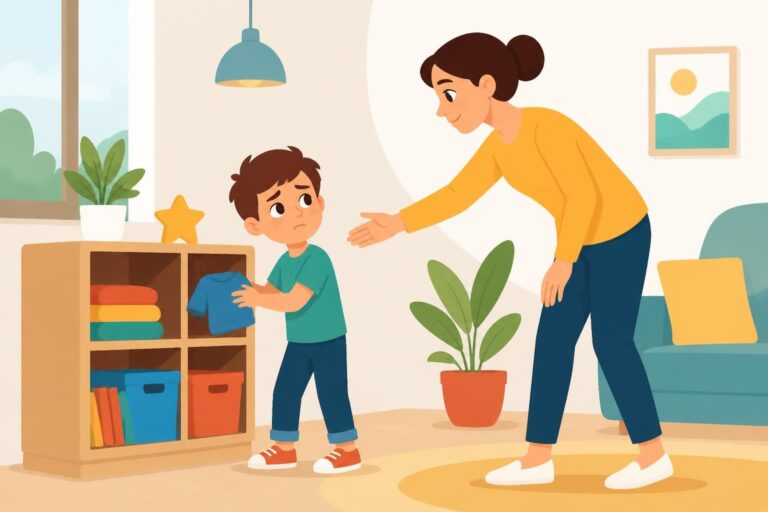
| Set up a clear and tidy play corner for calm and regular playful rituals 🧺 |
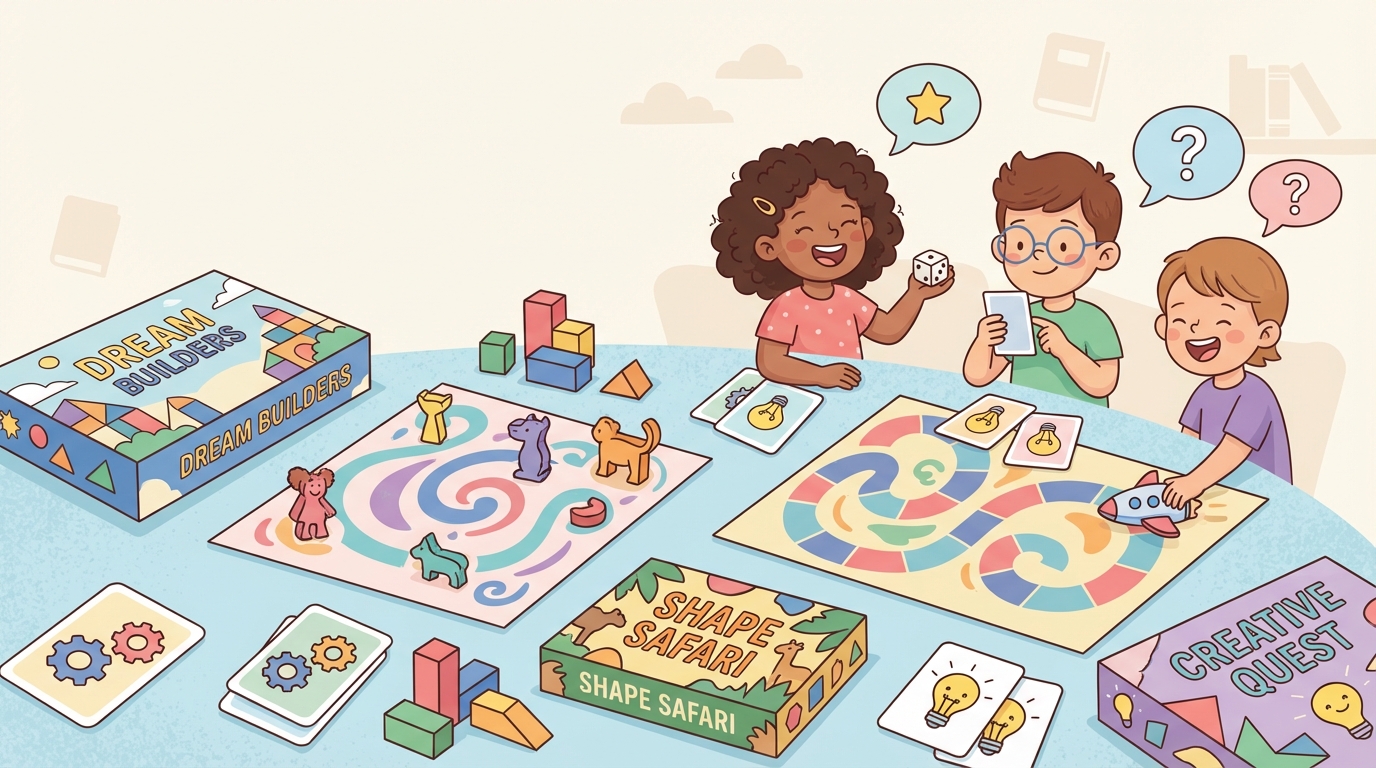
Choosing a board game for a child is not a matter of chance. The right title captivates their attention, values their ideas, and establishes a climate of trust where mistakes become steps toward success. In this context, imagination takes its full place and works for cognitive, language, and social development. Creativity then thrives in short challenges, clear rules, and worlds that inspire storytelling.
Families also look for simple bonding moments to reproduce every week. A game ritual turns an afternoon end into a joyful pause, conducive to dialogue and learning. Cooperative mechanics reassure the youngest, while evolving challenges stimulate older ones. Through concrete examples, age markers, and implementation tips, this guide helps build a creative, lasting game library adapted to each child.
Complete guide: how to choose a board game well for creative children
Faced with the abundance of colorful boxes, a few simple markers help guide the choice. First, alignment with the age and concentration level of the young player remains decisive. A game for 3-year-olds benefits from intuitive rules, reassuring manipulations, and short rounds that easily follow one another. Manufacturers indicate a recommended age, useful to avoid too wide gaps between expectations and abilities.
Development constitutes the second pillar. Between 2.5 and 3 years, children refine fine motor skills and color recognition. A title like Premier Verger combines sorting, cooperation, and handling wooden pieces. From 4 years old, sequential logic progresses, opening the way to games with dice, picture cards, and memorization. The goal remains to nurture success, not to test endurance.
The type of game strongly influences the experience. Cooperative games promote discussion and mutual aid, like Pin Pon! where each player acts to extinguish the fire in time. Competitive games introduce turn-taking, frustration, and fair play. A small race circuit like Little Circuit teaches losing with a smile and celebrating others’ victories. The balance between these two families allows learning without unnecessary pressure.
The duration of rounds always matters. Between 3 and 5 years, aiming for 10 to 15 minutes helps keep a pleasant energy level. It is then easy to restart a round if the momentum is good. Later, 20 to 30 minutes become possible, provided active challenges alternate with calmer moments. This steady pace establishes trust and creates desire to explore richer rules.
Visual clarity and component quality support concentration. Stable pawns, sharp illustrations, and thick cards limit distractions. Parents also appreciate materials easy to clean. In the broader childhood universe, brands like Fisher-Price, Dodie, Avent, or Mustela remind us of the importance of care and daily safety, values transposable to the choice of game materials.
Providing a play space improves session fluidity. A mat, a low table, and accessible storage boxes simplify transitions between different playful worlds. For organizing the bedroom, clever ideas exist, like these sorting solutions presented here: efficiently tidy the child’s room. A calm and bright corner supports attention and invites settling down.
Age recommendations help create a first selection. For a synthetic overview, this resource can guide beginnings: board games 1 to 3 years. Beyond ages, observing the child’s personality remains essential: dreamer, active, social, or cautious. Each profile calls for different mechanics, from free narration to frantic racing.
Finally, composing a small “creativity box” encourages autonomy. Slip in a few figurines, colorful dice, picture cards, and an hourglass to invent new rules. With a Baby Stroller, this playful kit also accompanies outings, at grandparents or the park. The game becomes an ally for all moments and invites itself into daily routines.
- 🧩 Favor short and clear rules
- 🎲 Alternate cooperation and benevolent competition
- 🎨 Focus on inspiring visual supports
- 🕒 Respect the current attention capacity
- 🧺 Anticipate tidying up to close the session gently
Key idea: a good game is understood in less than three minutes and still talked about after the game.
To refine the selection, let’s now move on to age groups with concrete examples and ways to nurture imagination at each stage.
Best games by age group to develop imagination
2.5–3 years: first rules and creative handling
At this age, the child explores simple and repeated actions. Premier Verger proposes harvesting fruits before the crow, installing cooperative logic. Bright colors, wooden pieces, and illustrated dice structure attention. Frequent successes stimulate the desire to try again, without tension.
Soft memory games, like picture lotto, open the door to language. Naming objects, telling a small scene, and mimicking a sound add a creative layer. To enrich these moments, complementary activity ideas are offered here: creative activities at home. The game becomes a springboard toward short improvised stories.
3–6 years: storytelling, symbolism, and first challenges
This period sees imagination bloom and the capacity to understand sequential rules. Le Jeu du Loup works memory and anticipation, while remaining reassuring through cooperation. Gagne ton papa stimulates spatial logic through progressive challenges, perfect for daily sessions.
Children also enjoy simple dice games with expressive illustrations. Picture cards invite inventing mini-stories. To complement the game library with educational supports, this guide can help: educational board games. Varying themes prevents boredom and maintains curiosity.
6–9 years: simple strategies and advanced cooperation
Mechanics become more complex without losing the creative dimension. Hand management, turn anticipation, and planning appear naturally. It’s time to introduce more “strategic” cooperative games and light deduction titles. Regular use, one or two sessions per week, consolidates gains.
Thematic worlds help anchor motivation. Pirates, nature, city, or space, each setting feeds a different vocabulary. To vary supports beyond boards, an inspiring family selection can offer ideas: games for the whole family. The mix of figurines and cards nurtures open scenarios.
Daily life: routines and tidying up that invite engagement
A pleasant play corner makes the difference. Soft textiles from Petit Bateau, measured lighting, and accessible boxes inspired by clever storage solutions encourage autonomy. Appreciated childcare brands like Bébé Confort, Vertbaudet, or Natalys contribute to a practical and soothing environment.
Creating a structured ritual is very beneficial. Announcing the game after snack and before bath establishes a reassuring marker. An hourglass, a small bell, and a story notebook can serve as start and end signals. The child then knows when to play, and when to tidy up with pride.
To better visualize animated examples and gather animation ideas, this search can help.
Key idea: age-interest fit is the foundation, storytelling is the bond, and ritual provides stability.
After these age markers, let’s explore the power of cooperation and educational games to develop lasting social and creative skills.
Cooperative and educational games: boosting creativity and social skills
Cooperation turns the game into a shared adventure. The child learns to suggest, listen, and adjust ideas to reach a shared goal. This dynamic reduces individual score pressure and supports creative risk-taking. Titles like Ghost Fightin’ Treasure Hunters invite planning together, assessing danger, and distributing roles.
Zombie Kidz illustrates collective progression. Missions get tougher over rounds, and rewards modify the rules. Children discover their team gets better with practice. The pleasure comes from common victory as much as strategies invented along the way.
Educational games add a content dimension. The Mes Premiers Jeux range addresses numbers, colors, and logic gently. Mystery Island opens geography and culture through simple puzzles. The key is to keep a dynamic pace valuing progressive discovery rather than performance.
Introducing a narrative component strengthens engagement. A notebook like Le Livre de la Naissance can inspire personal stories to reinvent with picture cards. Children enjoy recognizing life scenes and transforming them into tales. Speech circulates, and everyone contributes to the plot.
To navigate between educational content and pleasure, this general marker can serve as a compass: toys and development. It is useful to adapt, soften a rule, and welcome children’s proposals. When the frame is alive, creativity flourishes.
| Game 🎲 | Age 🧒 | Key skills 🌟 | Duration ⏳ | Creativity score 🎨 |
|---|---|---|---|---|
| Ghost Fightin’ Treasure Hunters | 6+ | Planning, mutual aid | 25–35 min | ⭐⭐⭐⭐ |
| Zombie Kidz | 7+ | Team strategy, adaptation | 15–20 min | ⭐⭐⭐⭐⭐ |
| Mes Premiers Jeux | 3–5 | Colors, numbers, language | 10–15 min | ⭐⭐⭐ |
| Mystery Island | 6–9 | Culture, deduction | 20–30 min | ⭐⭐⭐⭐ |
Family feedback confirms these trends. Children gain confidence when the adult verbalizes proposed strategies and values attempts. Cooperation becomes a posture that goes beyond the game board to permeate classroom life and siblings. Regular practice is enough to anchor these reflexes.
Need a video overview to start a solid and friendly first game? This search can accompany a first home animation.
Key idea: the engine of creativity in cooperation is permission to try, adjust, and start over.
Let’s now move on to concrete methods to encourage creative expression during home game sessions.
Home game strategies to stimulate creative expression
Set up a secure and adaptable frame
A welcoming environment encourages boldness. Lay out a soft mat, a stable table, and a basket of picture cards within reach. A visual timer reassures and structures the session. Children dare more to propose alternative rules when they know the game won’t drag on.
Ritualize the “opening of imagination”
Before the first round, launching a micro-story puts everyone in the mood. “Today, our pawns are lost explorers…” Then, invite each child to choose a sound, a color, or an emotion to inject into the game. This small “key” makes storytelling lively and personalized.
Adapt rules without losing essence
A game that is too difficult can be temporarily simplified. Remove a card, extend a deadline, or allow a collective hint. Conversely, if boredom appears, add a secret objective or an expression challenge. The important thing is to adjust the challenge to stay in the pleasure-learning zone.
Value speech and cooperation
During the game, encouraging justification of choices develops thinking. “Why move this pawn rather than another?” This type of question nurtures metacognition. Children learn to reformulate, listen, and co-construct a strategy, which strengthens empathy and self-esteem.
Use everyday objects
A forgotten figurine, patterned fabric, or small empty bottle can become decor elements. A travel care kit, with familiar brands like Mustela, sometimes serves as a prop to invent a “rescue” mission. Nothing mandatory, just an invitation to divert reality to beautify fiction.
Involve caregivers and babysitters
When a third person animates the session, a simple guide facilitates continuity. These resources offer useful markers: becoming a babysitter and doing babysitting well. A list of “ready-to-go” games and short rule sheets help everyone appropriate the activity.
- 🗂️ Prepare a “favorites” basket
- 🖍️ Leave blank cards to create powers
- 🔁 Establish the rule “one short game, debrief, replay”
- 📒 Keep a notebook of invented stories
For trips, a Baby Stroller can carry a pouch of compact games. A folded blanket, two dice, and cards are enough for a micro-session outdoors. Children love to find their rituals in another place, which reinforces autonomy.
Key idea: creativity thrives when rules breathe and speech flows with kindness.
Building on these practices, let’s see a 2026 selection of family games that highlight imagination and bonds.
2026 Selection: inspiring family games and bonding moments
Many families have adopted a weekly “game night” ritual. The Lenoir family, for example, launches a theme for the week: jungle, city, sea, or space. Each game connects through a small house rule, like “telling your move in rhyme.” This playful coherence welds ages and creates memories.
To awaken intergenerational imagination, Dixit remains a must-have. Poetic images invite interpretation, invention, and debate. With young children, a leader supports formulating clues. Everyone learns to aim right while leaving a part of ambiguity, which finely stimulates creativity.
Families appreciating gentle strategy turn to titles with simple resources. A lightened version of Catane for children allows addressing exchange and planning without excessive complexity. Negotiation becomes a moment of emotional learning. Saying no tactfully, offering an alternative, waiting: all are practiced around the board.
Everyday themes can enrich the experience. A comfortable Petit Bateau pajama, a soft nightlight, and a mat inspired by collections from Vertbaudet create a cozy setting conducive to stories. Babies savor the presence of elders, even if they do not yet play. Shared rituals give each one a place.
To vary worlds, one can alternate between boards and scripted constructions. Ideas to nurture quiet times are proposed here: creative workshops at home. Another resource allows picking suggestions by age: educational play activities. Mixing formats maintains momentum.
Some parents like to record the best lines and invented house rules. A notebook placed next to the board becomes a “play logbook.” Additionally, an album like Le Livre de la Naissance serves as a reservoir of family anecdotes to reinvent in missions, riddles, or skits. Memory feeds creativity.
Finally, thinking logistics facilitates regularity. A bag dedicated to travel games, a pouch for rules, spare dice, and a pencil are always ready. A compact stroller like Bébé Confort helps carry this kit during outings. Brands like Natalys offer practical accessories that make these moments even easier to organize.
To discover other ideas of family titles and playful setups, this page can inspire: games for family evenings. Everyone can pick a theme, mood, or creative challenge to adapt at home.
An overview video sometimes helps to confidently and smoothly start the activity.
Key idea: family bonding is woven through simple rituals, images that spark conversation, and challenges adjusted to age.
To complete this overview, here are some quick markers and useful links that extend discovery and action at home.
{“@context”:”https://schema.org”,”@type”:”FAQPage”,”mainEntity”:[{“@type”:”Question”,”name”:”How do I know if a game is suitable for my child’s age?”,”acceptedAnswer”:{“@type”:”Answer”,”text”:”Check the recommended age, then observe the ability to follow 2 to 3 simple instructions and stay focused for 10 to 15 minutes. If the rule requires fluent reading while the child is just starting, favor a version with icons and guided narration.”}},{“@type”:”Question”,”name”:”Cooperative or competitive to develop creativity?”,”acceptedAnswer”:{“@type”:”Answer”,”text”:”Both complement each other. Cooperation frees risk-taking and speech, while competition teaches managing emotions and patience. Alternate according to the mood of the day and available energy.”}},{“@type”:”Question”,”name”:”How many games to keep visible to avoid dispersion?”,”acceptedAnswer”:{“@type”:”Answer”,”text”:”Three to five boxes in rotation are enough. Store the rest and highlight titles by theme. A clear play corner and simple storage help concentration.”}},{“@type”:”Question”,”name”:”How to encourage my child to invent rules?”,”acceptedAnswer”:{“@type”:”Answer”,”text”:”Offer blank cards, an hourglass, a special die, and a notebook to write ideas. Allow one house rule per game and test it for five minutes before adopting or adjusting.”}},{“@type”:”Question”,”name”:”Resources to find complementary activity ideas?”,”acceptedAnswer”:{“@type”:”Answer”,”text”:”Explore concrete paths here: creative activities at home, educational games, and inspirations for family games. These resources help vary approaches and support creative momentum.”}}]}How do I know if a game is suitable for my child’s age?
Check the recommended age, then observe the ability to follow 2 to 3 simple instructions and stay focused for 10 to 15 minutes. If the rule requires fluent reading while the child is just starting, favor a version with icons and guided narration.
Cooperative or competitive to develop creativity?
Both complement each other. Cooperation frees risk-taking and speech, while competition teaches managing emotions and patience. Alternate according to the mood of the day and available energy.
How many games to keep visible to avoid dispersion?
Three to five boxes in rotation are enough. Store the rest and highlight titles by theme. A clear play corner and simple storage help concentration.
How to encourage my child to invent rules?
Offer blank cards, an hourglass, a special die, and a notebook to write ideas. Allow one house rule per game and test it for five minutes before adopting or adjusting.
Resources to find complementary activity ideas?
Explore concrete paths here: creative activities at home, educational games, and inspirations for family games. These resources help vary approaches and support creative momentum.