Conjunctivitis Child: Conjunctivitis in children: eye and eyelid.
| Short on time? Here’s the essentials ⏱️ |
|---|
| Conjunctivitis in children is common, usually mild, and heals within 3 to 7 days 🙂 |
| Clean the eye with saline solution, avoid rubbing the eyelids 🧴 |
| Redness, itching, tears and discharge guide the diagnosis 🔎 |
| Viral = comfort care; Bacterial = antibiotic eye drops; Allergic = antihistamine 💧 |
| Hand washing, separate towels, clean toys = effective prevention 🫧 |
| See a doctor if pain, photophobia, vision loss, or very young infant ⚠️ |
Red eyes upon waking, stuck eyelids, more tears than usual… The signs of conjunctivitis in children often worry, especially when the eye is irritated and the eyelid swells. However, most episodes remain simple and settle with appropriate eye care. The challenge is to distinguish a transient inflammation from a true eye infection, then to adjust daily actions to relieve symptoms and limit contagion. Because in nurseries or schools, germs spread quickly, and a hand in the eye can be enough to contaminate a peer.
In families, the question often arises: should you see a doctor urgently? The answer is reassuring: rarely. However, knowing the key symptoms, understanding the differences between viral, bacterial and allergic conjunctivitis, and applying strict hygiene make all the difference. This guide offers a clear method, concrete examples, and reliable benchmarks to act without stress, from the first redness to the final care, including essential “tips and tricks” approved for everyday use.
Conjunctivitis in children – understanding inflammation of the eye and eyelid
Conjunctivitis is an inflammation of the conjunctiva, a thin membrane lining the inside of the eyelid and covering the white of the eye. It can affect a single eye, then the other, or occur simultaneously in both eyes. Depending on the cause, it is a viral or bacterial eye infection, or an allergic reaction. This distinction directs treatment and levels of alertness. At home, signs are first noted: redness, watery eyes, light sensitivity, and sometimes thick discharge.
To visualize, imagine Noah, 4 years old. After a cold, he wakes with a red, watery eye. The eyelid is not painful, but he says “it itches.” This scenario suggests a viral form. Conversely, if Emma, 18 months old, has eyelashes stuck together by a thick yellowish discharge upon waking, the bacterial cause is more likely. Finally, in spring, Louis, 6 years old, allergic to pollen, has intense itching and clear tearing from both eyes: an allergic origin is probable.
Why does this happen so often in children? First, immunity is still developing. Second, close contact in group settings promotes spread. Additionally, some infants have a narrow tear duct, causing secretions to stagnate and favor germs. However, the vast majority of these episodes are mild. The key is to clean well, avoid rubbing, and watch for any significant pain or photophobia.
From a “mechanical” perspective, the conjunctiva reacts to irritants: germs, allergens or irritants. It becomes more vascularized, hence the redness. Inflammatory mediators explain the grain-of-sand sensation. If bacteria multiply, discharge becomes purulent, thickened, and sticks the eyelashes upon waking. In allergy, histamine causes marked itching and mild eyelid swelling. These clinical elements guide the choice of eye drops or simple hygiene measures.
For reliable and up-to-date guidance on causes and warning signs, consulting a well-structured public resource helps a lot. A useful overview of health topics for parents is offered here: explore health benchmarks. Because when in doubt, it’s better to check and adopt a simple action plan: observe, clean, protect, then see a doctor if warning signs appear.
In short, understanding the mechanism prevents panic and promotes targeted actions. It is the cornerstone of an effective and reassuring care journey for the whole family.
Conjunctivitis in children – recognizing symptoms, from first sign to alert
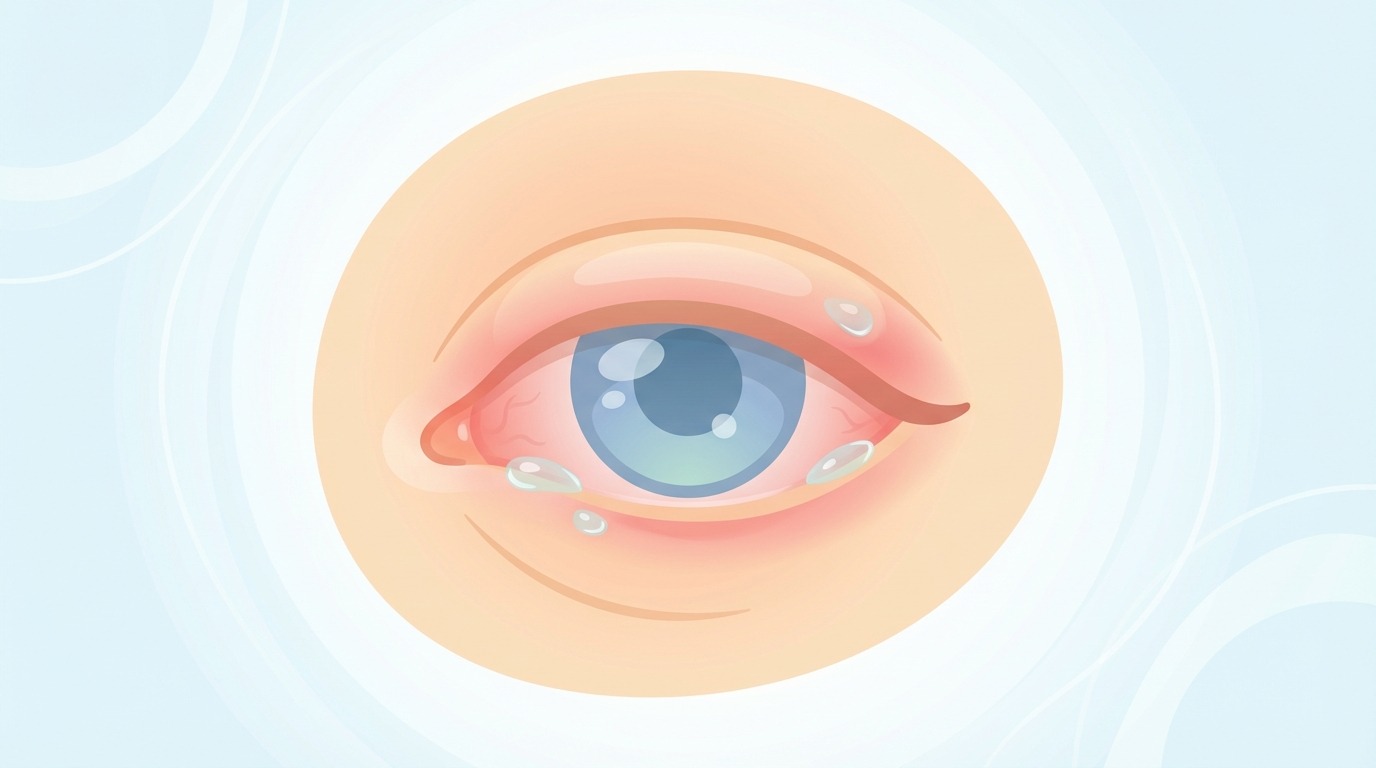
Let’s now observe the signs, as they vary by cause. In viral conjunctivitis, the redness usually starts in one eye, then the other follows. The discharge is clear and abundant. Slight itching or burning sensation bothers the eye. Sometimes light is uncomfortable. A cold or cough often precedes the episode. This sequence suggests a virus circulating at school.
In bacterial conjunctivitis, the discharge is thick, yellowish or greenish. Eyelashes stick together upon waking and the eyelid can be swollen. The condition may stay unilateral a little longer. In allergic conjunctivitis, itching predominates: the child wants to rub constantly. The eyes tear with clear liquid, and the nose runs in parallel during pollen seasons.
What are the warning signs? First, sharp pain or vision loss require rapid consultation. Next, marked photophobia or a very red and sensitive eye suggest deeper involvement. In infants, medical evaluation is preferred, especially if the general condition changes. Moreover, fever and marked eyelid swelling should prompt checking for absence of spreading eye infection.
Here is a useful checklist to guide parents’ attention:
- 👁️ Diffuse redness of the white of the eye, sometimes with gritty sensation.
- 💧 Clear discharge (more viral) or thick and purulent (more bacterial).
- 🤧 Itching and sneezing associated (more allergic).
- 😵 Significant photophobia, pain, vision loss: reason for consultation.
- 🍼 Very young infant, consistently stuck eyelids: medical advice recommended.
For example, Lina, 2 years old, returned from nursery with a clear-runny eye. In the evening, both eyes tear up. Parents notice a stuffy nose and light cough. This typical progression points to a virus. They then choose simple eye care and avoid sharing towels, limiting spread within siblings.
In practice, recognizing the clinical profile immediately guides home care and specific eye drop recommendations. This saves time and provides comfort for the child and the entire class, as quick management decreases transmission.
Conjunctivitis in children – home eye care and hygiene that make a difference
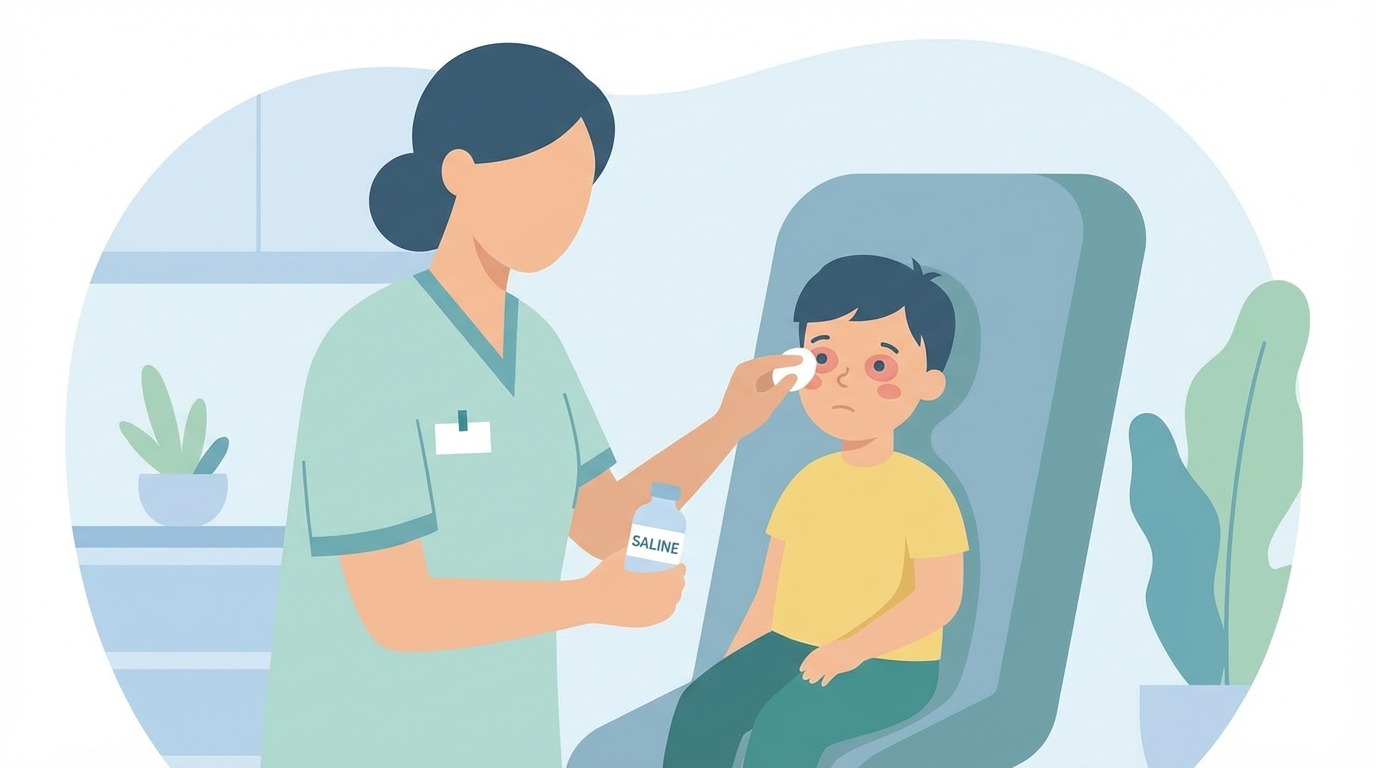
The first reflex remains the most effective: clean. Soak a sterile compress with saline solution and gently wipe from the inner to the outer corner. Repeat as often as necessary, separately for each eye. This removes discharge, reduces irritation, and lowers microbial load. If the eyelid is swollen, apply cold compresses for a few minutes. Cold soothes inflammation and relieves itching.
Second principle: do not scratch. Rubbing sustains irritation, spreads viruses, and can damage fragile skin. For toddlers, mittens or a sleeping bag during naps prevent rubbing the eye. For older children, calmly explain and offer an alternative: gently tap the temple or squeeze a cushion when the urge to scratch arises. This helps the child maintain control.
Hand hygiene is extremely important. Wash hands before and after care. Suggest a fun routine: a 20-second song, a colorful hourglass, “magic” foaming soap. At home, assign one towel per person, regularly change pillowcases, and avoid sharing washcloths. At nursery, report the episode; staff then renew disinfection and hygiene teaching with the little ones.
To avoid irritants, rinse well during bath time, especially if the child played with shampoo. At the pool, offer suitable goggles if chlorinated water triggers symptoms. During pollen season, ventilate early in the morning and rinse face and eyelashes after returning from the park. These are small gestures, but combined they prevent recurrences.
Four-step action plan:
- 🧼 Clean the eye with saline solution, several times a day.
- ❄️ Soothe with cold compresses if eyelids are swollen.
- 🙅 Prevent scratching and avoid sharing linens.
- 🧠 Educate the child: clean hands, no fingers in eyes.
Need a cross-reference for skin/eye issues in little ones? Some rashes and irritations around the eyelids can mimic or worsen conjunctivitis. A clear guide on infant bumps and redness helps untangle associated skin causes. Because often, skin and mucous membranes react together to allergens or environmental germs.
In summary, these “small” cares regulate the episode in most cases. They reduce discomfort and break the chain of transmission, which is crucial in group settings.
Conjunctivitis in children – effective treatments and when to consult in 2026
For viral eye infection, treatment is mostly symptomatic. Lubricating eye drops, washing and cold relieve symptoms. Healing occurs in about a week. However, if the condition worsens or persists beyond 7 to 10 days, pediatric advice is necessary. For bacterial conjunctivitis, antibiotic eye drops or ointments are prescribed. Duration must be respected, even if the eye already seems better, to avoid relapses.
In infants, especially before two months, the tear duct may be narrow. Tearing is accompanied by crusts. Often, time resolves the issue. Sometimes, a simple procedure during consultation can unblock the duct. Meanwhile, careful cleaning and close monitoring avoid superinfection. Contrary to some beliefs, breast milk has not proven effective for treating bacterial conjunctivitis; better to stick to validated protocols.
In allergic conjunctivitis, antihistamine eye drops, or mast cell stabilizers, calm redness and itching. The most cost-effective approach is to identify the triggering allergen. A symptom diary, cross-referenced with pollen forecasts or pet presence, helps spot peaks. In some cases, allergist’s advice improves prevention.
When to see a doctor quickly? Here are clear criteria: significant pain, vision loss, marked photophobia, major eyelid swelling, associated fever, or very young infant. Also, if discharge persists despite rigorous eye care, appropriate eye drops are necessary. Finally, any doubt about deeper involvement (keratitis, foreign body, herpes) justifies a slit-lamp examination.
Families appreciate clear and reliable resources to guide them before seeking advice. A well-structured parental index helps find essentials without confusion: access a practical health index. Meanwhile, teleconsultation services, now easily available, facilitate initial triage and speed up issuing prescriptions when needed.
Ultimately, the right treatment matches the right diagnosis. That is why observation, hygiene, and regular reassessment form a winning trio throughout the episode.
Conjunctivitis in children – prevention at nursery and school, protecting siblings
Prevention relies on simple routines. Frequent and fun hand washing remains the most effective measure. At home, encourage soap dispensers suited to small hands and value every “clean mission.” In group care, a well-thought hygiene corner with illustrated posters promotes autonomy. This teaching protects the whole class and reduces unexpected absences.
Then, avoid sharing towels, cups and handkerchiefs, sharply cutting many transmissions. Toys passed hand-to-hand are regularly cleaned, especially during viral outbreaks. Also, remind children to sneeze into their elbows and use disposable tissues to limit droplet spread. These measures are modest, but combined they change the equation.
At home, a “return routine” can be established. For example: wash hands, rinse itchy eyelids, and choose a personal towel. For allergic children, ventilate early, dust plush toys and prioritize evening hair washing to reduce allergens on eyelashes. Additionally, a thermal water spray can soothe irritated eyelids, complementing saline washes.
When a case occurs among siblings, organization matters. Isolate dirty laundry in a dedicated bag, disinfect handles and explain, using simple words, that “eyes need rest and cleanliness.” Brothers and sisters quickly understand and willingly help when their efforts are appreciated. In nursery, communication with staff strengthens consistent actions, reassuring both parents and professionals.
Quick memo “joint prevention”:
- 🫧 Hands washed often and properly.
- 🧻 Disposable tissues, personal towels.
- 🧸 Toys cleaned and rotated during episode periods.
- 🌸 For allergic ones: targeted ventilation, eyelash rinsing, clean bedding.
- 👓 Pool: suitable goggles if sensitive to chlorine.
Ultimately, prevention does not require sophisticated equipment. It demands consistency, a bit of creativity and enthusiasm to transform constraints into positive rituals. This is what makes the difference over an entire season.
Quick references between types of conjunctivitis
To anchor ideas, this synthetic reminder helps to sort:
– Viral: clear discharge, ENT context, often both eyes. Comfort care, strict hygiene.
– Bacterial: thick discharge, stuck eyelashes, sometimes only one eye initially. Antibiotic eye drops if confirmed.
– Allergic: major itching, runny nose, seasons. Antihistamines, allergen avoidance.
With these practical benchmarks, everyone can act quickly and well, without dramatizing.
“A reassured child, simple and regular actions: the winning trio against conjunctivitis.”
How long does conjunctivitis last in children?
Most often, 3 to 7 days. Viral and allergic forms settle with comfort care. Bacterial improves in 48 to 72 hours after starting antibiotic eye drops, which must be continued until the end.
Can my child go to school with conjunctivitis?
If the general condition is good and care has been provided, returning can be discussed with the school. To limit contagion, prioritize 24 hours of care and reinforced hygiene, especially if the discharge is purulent.
How to safely clean the eyes?
Use a sterile compress per eye, soaked with saline solution. Clean from the inner to outer corner, without rubbing hard. Dispose of the compress after use and wash your hands before and after.
What signs require quick consultation?
Severe pain, marked photophobia, vision loss, very swollen eyelids, associated fever, or very young infant. In these cases, an examination is necessary to rule out deeper involvement.
Are ‘home’ remedies enough?
They often relieve viral forms. In case of thick discharge, worsening, or lack of improvement, medical treatment (antibiotic eye drops for bacterial form) is necessary.