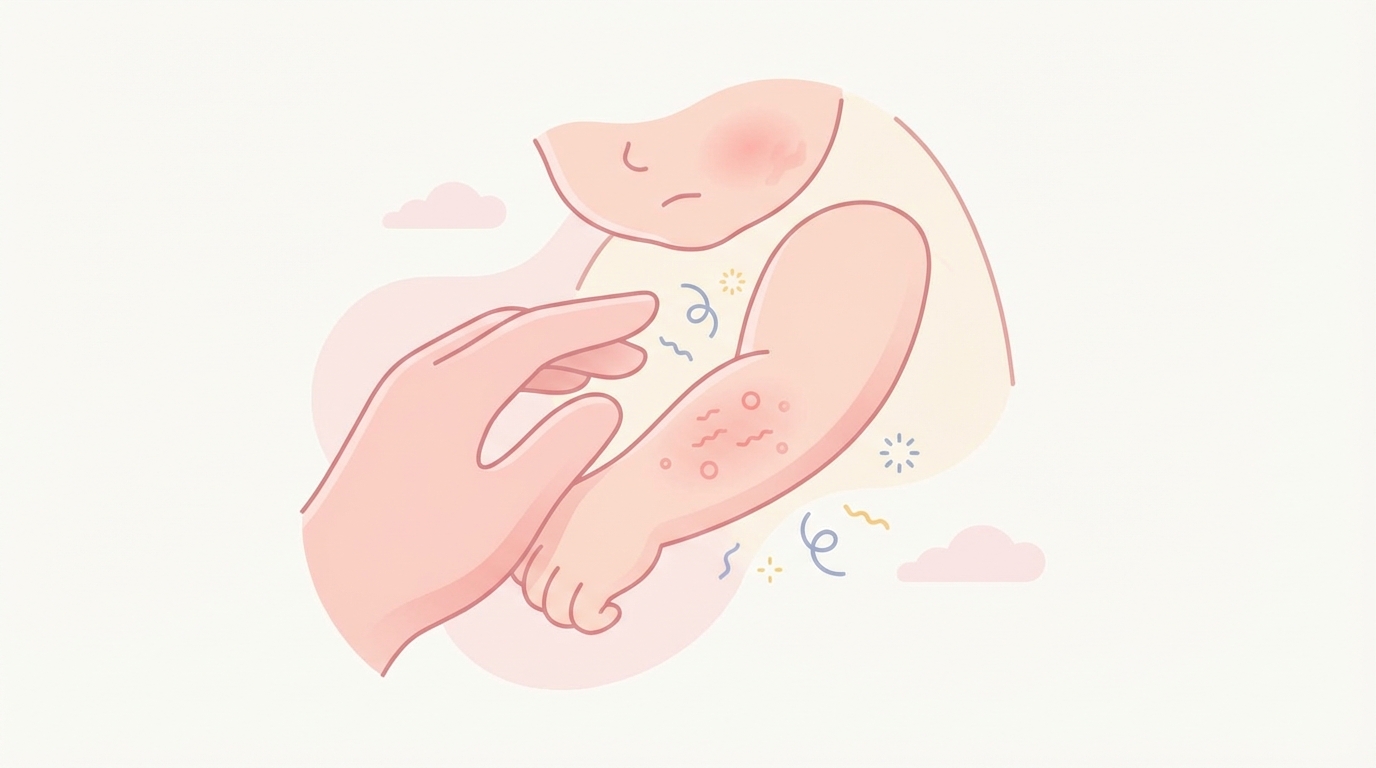
Baby skin: understanding bumps, redness, and itching in children
| In Brief ✅ |
|---|
| 👶 Baby skin is thinner and more reactive. Bumps and redness are common but often harmless. |
| 🌡️ Monitor fever, pain, rapid spread of lesions, and oozing. These signs require a consultation. |
| 🧴 Favor gentle care, fragrance-free, and daily hydration. Let the skin breathe. |
| 🍼 Eczema and allergy flare-ups calm down with regular routines, suitable textiles, and healthy indoor air. |
| 🛡️ Chickenpox, scarlet fever, and impetigo require medical follow-up. Avoid scratching to limit scarring. |
Bright redness on soft cheeks, small white bumps on the nose, sudden itching in folds… These details often worry, yet they mainly reflect the high sensitivity of the toddler’s skin. Understanding baby’s bumps, redness, and itching helps act appropriately, without overtreating or ignoring. In the first months, the hydrolipidic film develops, and every friction, every temperature change can trigger a reaction. A simple routine, suitable products, and a few reflexes already soothe a lot.
To navigate calmly, it’s useful to differentiate benign rashes from situations that require medical advice. Infant acne has a different story from diaper rash. Heat rash doesn’t evolve like atopic dermatitis. And viral eruptive diseases, such as chickenpox, require dedicated support. This guide offers concrete benchmarks, examples of daily cases, and easy-to-implement gestures, at home or outing, in a stroller or at grandparents’.
Baby skin: identify bumps, redness, and itching without mistake
An infant’s skin is about one-third thinner than an adult’s. It therefore lets heat, moisture, and irritants pass through more quickly. As a result, rashes easily settle but often recede on their own. First, spotting the type of bump guides the proper care. Infant acne appears as small papules on the cheeks and forehead between 2 and 6 weeks. It is usually a transient cephalic pustulosis, linked to hormones. It recedes without aggressive treatment.
Milia, those white grains on the nose or chin, correspond to keratin microcysts. They disappear within a few weeks. No need to pierce or rub. Avoid very greasy creams on the face to limit associated irritation. Conversely, neonatal erythema toxicum takes the form of red spots sometimes dotted with small pustules on the trunk and face. Half of newborns briefly present them. It looks alarming but fades as suddenly as it appears.
Heat bumps occur during heatwaves or if baby is overdressed. Tiny pink papules about 2 mm sometimes itch. They sit in neck folds, behind ears, on the chest or under the diaper. Letting the skin stay cool, choosing fine cotton clothes, and lightly moisturizing often suffice. When moisture and friction persist, diaper rash appears. The bottom becomes red, sensitive, sometimes with small erosions. Zinc creams soothe and protect.
Vascular marks, on the other hand, require calm observation. A hemangioma (small “strawberry”) can swell in the first months, then spontaneously regress around 2 years old. A large flat angioma near the eye or mouth, however, requires rapid medical advice. Finally, don’t confuse allergies and eczema with these transient rashes. Night itching, thickening of plaques, and marked dryness point to atopic dermatitis.
Some practical benchmarks guide daily action. An isolated, painless lesion appearing after heat or friction should be monitored. A bump that becomes infected, oozes, is accompanied by fever, or spreads rapidly must be evaluated by a professional. Between these two extremes, a refined routine calms most episodes and avoids product overuse.
- 🧸 Monitor the child’s overall behavior. A baby who eats, sleeps, and plays reassures.
- 🧼 Clean with warm water or a mild soap. Overwashing worsens dryness.
- 🧴 Moisturize after bath. Prefer fragrance-free, pediatric-tested formulas.
- 🌬️ Air out folds and remove a layer if the skin is very hot.
- 📆 Photograph the evolution. This helps the doctor assess dynamics.
| Lesion ✨ | Key signs 🔍 | Action to take ✅ |
|---|---|---|
| Milia 🙂 | Small white dots, painless | No action, avoid greasy creams |
| Cephalic pustulosis 🙂 | Small red papules on the face | Gentle cleansing, patience |
| Heat bumps 😌 | Pink papules in folds | Lighten clothes, moisturize lightly |
| Diaper rash 😕 | Redness on bottom, discomfort | Zinc cream, frequent diaper changes |
| Oozing lesions 😟 | Crusts, fever, spreading | Rapid medical consultation |
When in doubt, better to ask for advice. A clear evaluation relieves worries and avoids bad reflexes.
Soothing and preventing daily: care routines, clothing, and outings
The best strategy is often preventive. A simple routine protects the skin barrier and reduces flare-up frequency. First, choose a suitable cleanser and limit bath time. A gentle, fragrance-free washing gel helps preserve protective lipids. Detailed guides are offered in these Biolane gentle care and in the Mustela delicate skin advice. Once the bath is finished, pat without rubbing and hydrate on slightly damp skin to optimize absorption.
Next, the bottom requires special attention. Frequent diaper changes limit maceration. A cream containing zinc oxide creates a barrier. Additionally, letting the skin air out a few minutes a day speeds repair. On outings, a well-ventilated Baby Stroller avoids overheating. Models with breathable fabrics, like those from Bébé Confort, protect the skin during outdoor naps. In summer, shade and regular hydration remain priorities.
Clothing also plays a major role. Combed cotton bodysuits from Petit Bateau or comfortable sets from Vertbaudet limit friction. Loose pieces allow air circulation. For birth gifts, lists from Natalys or a nice keepsake in The Birth Book are appreciated, keeping skin comfort as a priority. Soft and breathable bibs reduce saliva irritations.
Water needs vary according to season and diet. Before offering a small water intake, understanding age markers makes the action relevant. A detailed point on hydration and water for babies helps orient. For feeding, the breast-to-bottle transition is prepared gently. Avent or Dodie bottles limit air swallowing and thus acid regurgitation, which sometimes irritates the chin and neck.
Playtime also contributes to skin balance. A comfortable mat prevents prolonged chafing on the floor. The 2026 guide to baby play mats presents breathable and easy-to-clean surfaces. For sensory awakening, Fisher-Price arches offer appropriate stimulations. In the park, prioritize shade and check these tips to play outside safely. Finally, peaceful sleep improves skin repair. Sleep apps for baby help establish a calm rhythm.
- 🛁 Short bath, warm water, gentle washing gel.
- 🧴 Daily hydration, emollient texture.
- 👕 Loose clothing, breathable cotton, soft seams.
- 🍼 Water and feeding benchmarks suited to age.
- 🌳 Shade, airing, diaper-free breaks at home.
With these gestures, the skin gains comfort. The child thus enjoys explorations with fewer rednesses.
Skin allergies and eczema in children: triggers, care, and environment
When the skin itches, thickens, and dries out, it is often atopic dermatitis. This allergic tendency results from a more porous skin barrier and a strong immune response. Small red plaques appear on the cheeks, arms, or behind the knees. Itching disrupts sleep. Here is the main goal: restore the barrier and soothe inflammation, with regular care and precise environmental hygiene.
Triggers are multiple. Alkaline soaps damage protective lipids. Perfumed detergents leave irritating residues. Synthetic fabrics favor sweating and maceration. Heat and dry air worsen flare-ups. So it is necessary to act on several levels. A soap-free washing gel, ceramide-rich emollients, and thorough laundry rinsing form a solid base.
Daily, better to establish rituals. Quick shower rather than long bath. Generous emollient application morning and evening, even outside flare-ups. If plaques are very red and itchy, a local treatment prescribed by the doctor may be added for a short period. Independent and step-by-step information offered by expert brands reassures. Exploring dedicated content like the Mustela resources helps structure gestures without excess.
| Trigger ⚠️ | What is observed 👀 | Effective action 💡 |
|---|---|---|
| Perfumed detergents | Plaques at clothing contact | Gentle detergent, double rinse |
| Synthetic textiles | Chafing, sweating | Organic cotton, loose cuts |
| Dry winter air | Peeling skin, tightness | Humidifier, rich emollients |
| Long baths | Post-bath dryness | Short baths, warm water |
Clothing choice matters. Soft bodysuits from Petit Bateau and cotton pajamas from Vertbaudet limit friction. Lightweight sleeping bags adjust heat. On outings, a well-ventilated stroller hood avoids temperature peaks. Breezy cuts in a Baby Stroller preserve sensitive fold areas. To complete, concrete advice on daily care help keep the course, even during more intense periods.
The indoor environment strongly influences the skin. Extinguish scented candles, space sprays, air out morning and evening. Vacuum without excess to avoid raising too much fine dust. And because sleep structures tissue repair, organizing a calm ritual remains valuable. Sleep apps can support these routines gently. With consistency, flare-ups space out and scratching decreases.
A watchword helps keep on track: simplicity, regularity, comfort. The skin responds better to repeating good gestures than multiplying products.
Chickenpox, scarlet fever, measles, impetigo: recognize and protect the skin
Certain infections cause specific rashes and require medical management. Chickenpox starts with red bumps that quickly become clear, very itchy vesicles. They appear in outbreaks, from the scalp to the trunk, then limbs. To limit scarring, keep nails short and offer soothing lukewarm baths. A local antiseptic and sometimes an antihistamine are prescribed by the doctor. Bacterial superinfection? Antibiotic therapy may be necessary.
Scarlet fever combines fever, sore throat, and a diffuse red rash with a sandpaper feel. The tongue becomes raspberry-colored. The clinical diagnosis is confirmed by the doctor. Antibiotic treatment relieves and prevents complications. Measles begins with high fever, runny nose, conjunctivitis. The rash starts behind the ears before spreading to the trunk. Vaccination protects effectively. If suspected, rapid consultation and avoiding contact are necessary as contagion is high.
Impetigo is identified by honey-colored crusts especially around the mouth and nose. Highly contagious, it requires strict hygiene and local, sometimes oral, antibiotic treatment. In folds, candidiasis shows red shiny plaques with “satellites.” A topical antifungal and drying measures often resolve the situation. Any lesion that spreads rapidly, becomes painful, or is accompanied by fever requires immediate advice.
| Situation 🚩 | Warning signs 🧭 | Reliable reflex 🏥 |
|---|---|---|
| Itchy chickenpox | Vesicles in outbreaks, scratching | Antiseptic, medical antihistamine |
| Scarlet fever | Rough rash, angina, fever | Consultation, antibiotics |
| Measles | Fever, conjunctivitis, widespread rash | Rapid consultation, isolation |
| Impetigo | Honey crusts, contagious | Antibiotics, enhanced hygiene |
Outings should also be prepared to protect affected skin. A covering hood on the stroller reduces direct sun. Breathable fabrics like Bébé Confort limit sweating which worsens itching. At home, beware of slipping risks when the skin is covered in cream. Useful tips to prevent falls complement precautions.
Daily life requires reliable benchmarks. A well-chosen video can clarify signs to watch and good gestures. It reassures and supports parental decisions step by step.
Each situation remains unique. This diversity requires relying on objective signs. Careful monitoring and gentle hygiene lead to a calmer recovery.
React at the right time: simple action plan, environment, and concrete benchmarks
Facing a rash, the essential is to structure action. First, observe: location, speed of spread, fever, pain, oozing. Then, simplify: stop unnecessary products, keep a gentle cleanser and an emollient. Next, protect: cotton textiles, airy clothes, short nails. Finally, decide if consultation is needed. This framework applies to most cases, from diaper rash to eczema plaques.
The living environment matters as much as the cream tube. Too dry air dehydrates the skin; a humidifier and enhanced hydration help. Strongly scented detergents leave irritating residues; an extra rinse removes them. Prolonged stroller trips in hot weather can trigger heat bumps; stopping in shade, opening vents, and offering water according to age benchmarks prevent these episodes. A useful reminder: review recommendations on the water offer before 6 months.
Outings are precious moments of awakening. For first sessions at the park, consult this guide to play outside calmly. A hat, light clothes from Vertbaudet or Petit Bateau, and a breathable stroller cover ensure skin comfort. At home, a comfortable and easy-to-clean mat limits friction. Recommendations from the play mat guide help choose a welcoming model.
Meals sometimes leave marks on the chin and neck. Clean gently, pat dry, then moisturize. Avent and Dodie bottles provide regular suction and reduce dribbling. In the first weeks, the breast-to-bottle transition can cause perioral irritation; absorbent bibs, breaks, and gentle cleaning usually suffice.
- 🧭 Step 1: observe warning signs (fever, pain, oozing).
- 🧼 Step 2: simplify routine (gentle cleanser, emollient).
- 🧘 Step 3: lighten environment (cotton, airing, balanced humidity).
- 👩⚕️ Step 4: consult if lesion is painful, extensive, or persistent.
- 📸 Step 5: document evolution with dated photos.
One last benchmark helps decide: if a lesion does not improve in 3 to 5 days despite appropriate care, medical advice is needed. Better to check early than let discomfort settle.
{“@context”:”https://schema.org”,”@type”:”FAQPage”,”mainEntity”:[{“@type”:”Question”,”name”:”Comment diffu00e9rencier acnu00e9 du nourrisson et allergie de contactu2009?”,”acceptedAnswer”:{“@type”:”Answer”,”text”:”Lu2019acnu00e9 du nourrisson apparau00eet sur le visage entre 2 et 6 semaines, sans du00e9mangeaisons marquu00e9es. Les boutons sont petits et disparaissent progressivement. Une allergie de contact gratte, su2019accompagne de rougeurs u00e9tendues au point de friction (bavoirs, lessive) et su2019amu00e9liore nettement apru00e8s u00e9viction de lu2019irritant.”}},{“@type”:”Question”,”name”:”Que faire si lu2019u00e9rythu00e8me fessier revient malgru00e9 la cru00e8me au zincu2009?”,”acceptedAnswer”:{“@type”:”Answer”,”text”:”Augmenter la fru00e9quence des changes, rincer u00e0 lu2019eau tiu00e8de, laisser su00e9cher u00e0 lu2019air, puis appliquer la barriu00e8re au zinc en couche u00e9paisse. Si la rougeur est vernissu00e9e avec petites pustules pu00e9riphu00e9riques, il peut su2019agir du2019une candidoseu2009; un avis mu00e9dical et un antifongique local seront utiles.”}},{“@type”:”Question”,”name”:”Les boutons de chaleur peuvent-ils laisser des marquesu2009?”,”acceptedAnswer”:{“@type”:”Answer”,”text”:”Non, ils disparaissent en 2 u00e0 3 jours si la peau est refroidie et au00e9ru00e9e. Habiller lu00e9ger, proposer des pauses u00e0 lu2019ombre, et hydrater doucement. Consulter si les boutons persistent au-delu00e0 de quelques jours, su2019infectent ou su2019accompagnent de fiu00e8vre.”}},{“@type”:”Question”,”name”:”Quels textiles choisir pour limiter les du00e9mangeaisonsu2009?”,”acceptedAnswer”:{“@type”:”Answer”,”text”:”Le coton peignu00e9 ou bio, aux coutures plates et aux coupes amples, reste idu00e9al. u00c9viter les synthu00e9tiques et les laines rugueuses. Pru00e9fu00e9rer des marques connues pour leurs textiles doux, et rincer le linge une seconde fois pour enlever les ru00e9sidus de lessive.”}},{“@type”:”Question”,”name”:”Faut-il u00e9viter les sorties quand il y a une u00e9ruptionu2009?”,”acceptedAnswer”:{“@type”:”Answer”,”text”:”Pas forcu00e9ment. Privilu00e9gier lu2019ombre, les tissus respirants et une poussette bien ventilu00e9e. u00c9viter les contacts avec du2019autres enfants en cas de maladie contagieuse (varicelle, rougeole). Adapter le temps dehors selon lu2019u00e9tat gu00e9nu00e9ral et lu2019avis du mu00e9decin.”}}]}How to differentiate infant acne and contact allergy ?
Infant acne appears on the face between 2 and 6 weeks, without marked itching. The bumps are small and gradually disappear. Contact allergy itches, is accompanied by widespread redness at friction points (bibs, detergent), and improves significantly after avoiding the irritant.
What to do if diaper rash returns despite zinc cream ?
Increase the frequency of diaper changes, rinse with warm water, let dry in the air, then apply a thick layer of zinc barrier. If the redness is shiny with small peripheral pustules, it may be candidiasis ; medical advice and a local antifungal will be helpful.
Can heat bumps leave marks ?
No, they disappear within 2 to 3 days if the skin is cooled and aired. Dress lightly, offer breaks in the shade, and moisturize gently. Consult if bumps persist beyond a few days, become infected, or are accompanied by fever.
Which textiles to choose to limit itching ?
Combed or organic cotton, with flat seams and loose cuts, remains ideal. Avoid synthetics and rough wools. Prefer well-known brands for their soft textiles, and rinse laundry a second time to remove detergent residues.
Should outings be avoided with a rash ?
Not necessarily. Favor shade, breathable fabrics, and a well-ventilated stroller. Avoid contact with other children in case of contagious illness (chickenpox, measles). Adapt outdoor time according to the general condition and doctor’s advice.