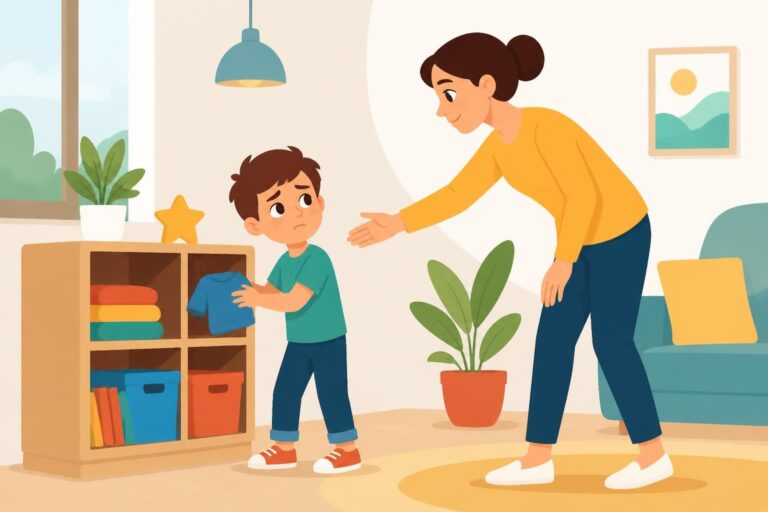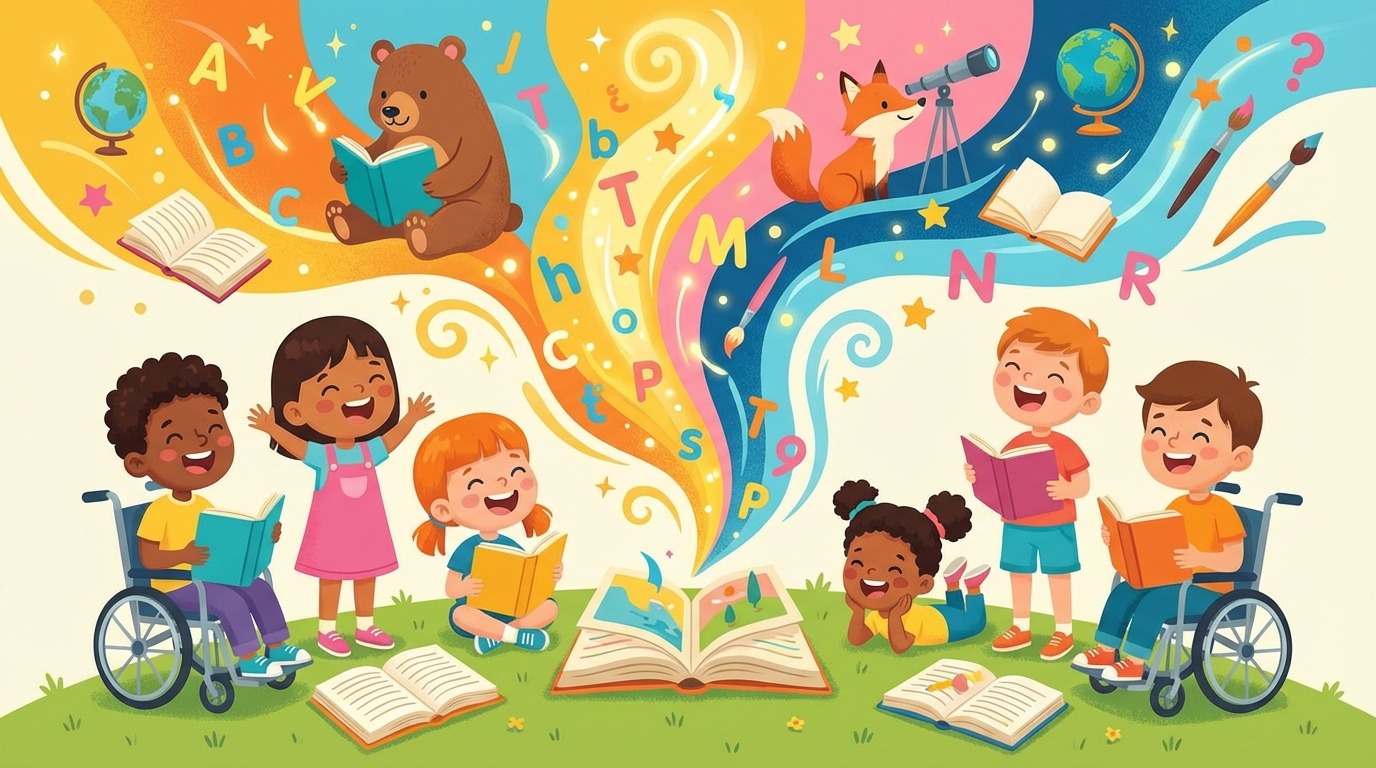
Video Reading Children: The benefits of reading for children.
Reading brings children together around stories that awaken the mind, soothe the heart, and boost the desire to learn. In families, at school, or through a reading video, this practice acts as a real springboard for education, language development, and imagination. In 2026, resources are multiplying: illustrated albums, audiobooks, channels dedicated to tales, bilingual formats. Yet, the essential remains unchanged: a story, a voice, a knowing look, and the universe opens up. The benefits are tangible, from vocabulary to attention, from empathy to the joy of learning, with impacts that extend well beyond childhood.
Because a reading ritual also builds a family culture, it influences self-confidence, the relationship to knowledge, and curiosity about the world. It helps in sensitive moments, calms before bedtime, supports early learning of written language, and nurtures creativity. Combining books and reading videos, when done discerningly, offers a valuable complementarity. The next lines detail strategies, concrete examples, and proven approaches to anchor reading at the heart of daily life, with enthusiasm and rigor.
| Short on time? Here’s the essentials ⏱️ |
|---|
| Reading 10–15 minutes daily strengthens attention and vocabulary 📚 |
| Ritualizing reading (same story, same time) secures and soothes 🌙 |
| Discussing the story boosts comprehension and critical thinking 💬 |
| Alternating books and reading videos maintains engagement without excessive screen time 🎥 |
| Varying genres (albums, documentaries, tales) nourishes culture and imagination 🌍 |
| Linking emotions and story develops empathy and emotional regulation ❤️ |
Children’s Reading Video: weaving emotional bonds and calming rituals
A moment of sharing that builds emotional security
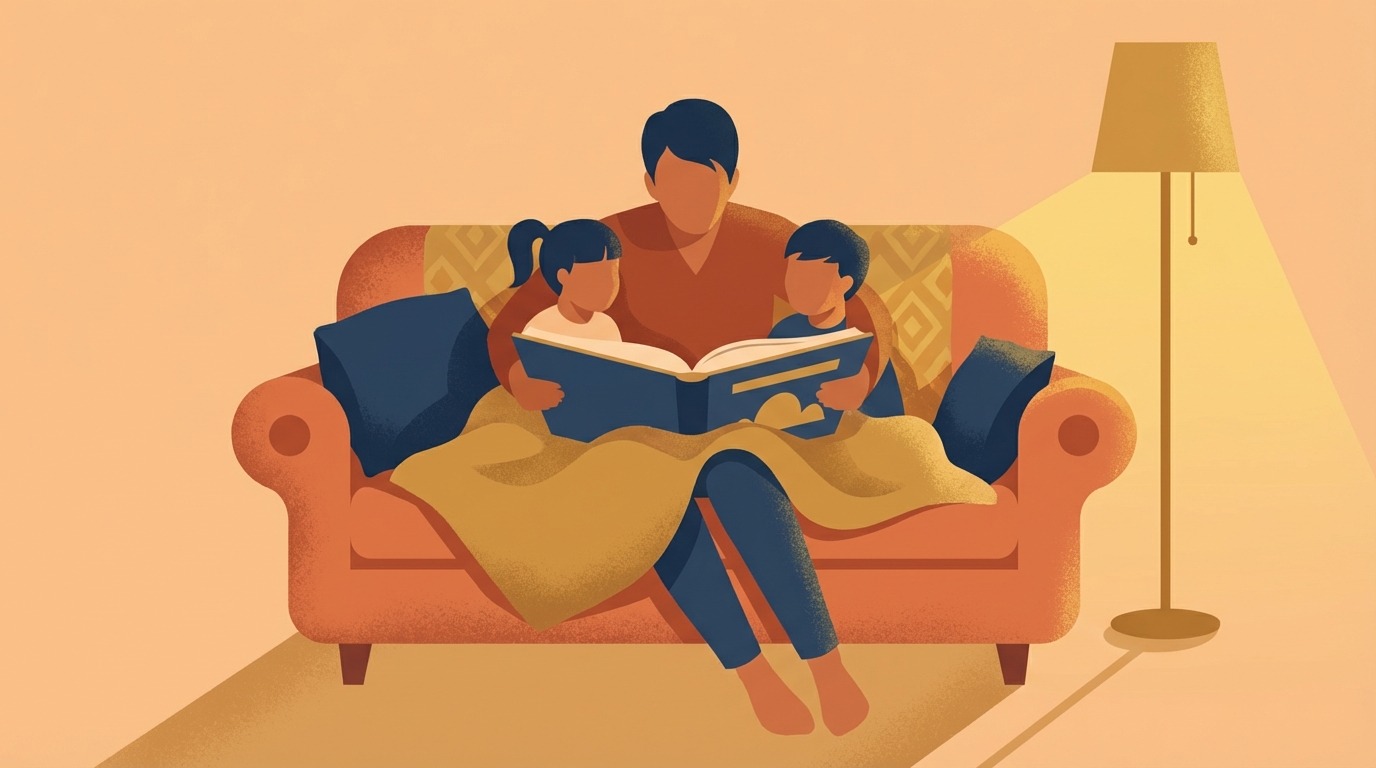
When an adult reads to a child, the voice sets the rhythm of time, the gesture frames attention, and the gaze offers a reference point. This trio creates a climate of emotional security where the child feels seen, heard, and important. Shared reading is the opportunity to get physically closer, adjust prosody, laugh together. This contact nurtures attachment and makes the moment memorable.
To strengthen this bond, some parents associate reading with tender gestures and proximity games. A few tickles, a hug, a pause to mimic a character: these micro-interactions anchor positive emotions around the book. In the long run, the child thus associates reading with pleasure, which encourages them to return to stories without constraint, with intrinsic motivation.
The power of evening routines
A stable, short, and predictable ritual prepares the brain for rest. Establishing reading before bedtime creates a gentle transition that reduces agitation and promotes falling asleep. Choosing calm stories, with simple sentences and a soothing tone, helps lower excitement. This moment structures the end of the day, and the child looks forward to it eagerly, a sign that the habit has become a resource.
Let’s imagine Lina, 4 years old, who asks for “her” favorite book every evening. The adult pauses, comments on a picture, whispers the last sentence. In two weeks, bedtime becomes smoother, nighttime awakenings decrease. It’s not magic, it’s the strength of a reassuring anchor. Additionally, a guided breathing time, inspired by these resources on children’s well-being and relaxation, can further enhance the effect.
The reading video as ally for busy families
Many households juggle complex schedules. A carefully chosen reading video sometimes compensates for the temporary unavailability of an adult. The child finds the musicality of a voice, the structure of the story, and the continuity of the ritual. The trick is to co-watch when possible, then “take back control” for a few minutes to reformulate and discuss.
During a move, a very unsettling period, this support can prove precious. One relies on stories that talk about change, home, and reference points. To navigate these transitions, advice dedicated to moving with toddlers helps combine comforting readings and concrete gestures. Result: less anxiety, more words to express experiences, and the book becomes an “emotional compass.”
In the end, shared reading — in person or via a chosen video medium — acts like a symbolic embrace: it reassures, it connects, it prepares the child to learn with confidence.
Language development and learning: a springboard thanks to books
Vocabulary, syntax, and language skills
Books expose children to rare words, varied expressions, and rich narrative structures. This immersion facilitates the acquisition of vocabulary and grammatical markers. Repetitions in children’s albums, far from boring, strengthen memorization and the understanding of constructions.
We often speak of “quality input.” In other words, the language of the story — and even “language skills” in the broad sense — nourishes the ear, sharpens the eye, and prepares writing. Reading aloud highlights punctuation, rhymes, alliterations. Every auditory or visual cue serves as a marker for independent reading learning.
- 🎯 Name and reformulate after each page: “What would you call this animal?”
- 🧩 Play with sounds (riddles, rhymes): it is the path to phonological awareness.
- 🗣️ Ask open questions: “Why is the hero hesitating?” stimulates complete sentences.
From auditory decoding to oral expression
Dialogic reading, where the adult invites the child to anticipate, describe, and infer, accelerates progress. Onomatopoeia and sound games help, especially with younger children. To vary playful approaches, these ideas of animal cries and fun noises are good springboards to words.
Between ages 3 and 5, grammar explodes, sentences lengthen, and stories support this expansion. Age-related markers, such as those dedicated to 3–5 years old development, help calibrate choices. We prioritize short, visual stories with repetitive structures that invite the child to “read” the pictures and comment.
Pronunciation, subtitles, and reading video
When the voice is steady and articulation clear, pronunciation improves precision. Videos that display synchronized subtitles provide a very effective sound/text alignment, provided the duration is limited and the story is discussed afterward. A simple principle: watch, then talk and reread a paper page to anchor.
Filmed nursery rhymes and readings narrated by librarians or teachers can complement this setup. The goal remains consistent: to make speech active, because the child learns especially when they produce sentences, choose words, and venture to tell stories.
Imagination, creativity, and culture: when books open worlds
Traveling without leaving the couch
A good story works like a passport. We discover fantastic universes, bygone eras, distant cultures. This exploration nourishes general culture, multiplies points of view, and above all, expands the inner map of possibilities. Children draw powerful mental images that stimulate creativity.
Heroic tales, philosophical stories, wildlife documentaries: each charts a path to wonder. A beloved series can inspire a treehouse, a costume, a sketchbook. Imagination strengthens by alternating books, real-world observation, and symbolic play. And if a reading video shows a different setting, the child compares, questions, rewrites.
Create your own stories
Once the imagination is underway, comes the desire to produce. Offering a “three-cards workshop” — character, place, challenge — sparks stories. Each session starts with reading, continues with brainstorming, and ends with a mini-presentation. This way, we value speaking and originality.
- 🎲 Invent the continuation of a cut page: suspense guaranteed.
- 🎭 Change the point of view: tell the adventure seen by the cat.
- 🧭 Shift the setting: what if the story took place at the North Pole?
- 🖍️ Draw three key scenes, then write a sentence under each image.
- 📽️ Shoot a short video where the child reads their own story, storyteller style.
Mastered digital culture: video, audio, and continuity
Podcasts for children, audiobooks, filmed readings: these formats extend the magic when the paper book is not at hand. The key is to avoid automatic chaining, keep a reasonable duration, and discuss the content. Video does not replace paper, it accompanies it when chosen and discussed.
By varying media, engagement is maintained without saturating attention. The child then understands that stories are everywhere, and that curiosity leads far, with or without screens.
Cognitive skills, attention, and critical thinking: measurable effects
Sustained attention and working memory
Following a story requires retaining details, updating information, and connecting scenes. This trio trains working memory and promotes sustained attention. Reading 10 minutes daily regularly proves more effective than long but infrequent sessions, because the brain likes spaced repetition.
In a first grade class, for example, a dialogic reading routine three times a week quickly shows effects: fewer interruptions, more listening, and clearer reformulations. What is trained in the story transfers afterward to school instructions and multi-step tasks.
Comprehension, inferences, and logic
Understanding means linking the said and the unsaid. Questions like “What does the hero feel? Why does he change his mind?” encourage the child to formulate inferences. By spotting causes and consequences, the mind gets used to reasoning, which helps in science, math, and everyday life.
An effective strategy is to invite the child to “predict then check.” One brings out a hypothesis, reads on, confronts it. This exercise develops cognitive self-control: recognizing when one is wrong and adjusting one’s thinking.
Emotions, empathy, and self-regulation
Characters offer a secure theater of emotions. Identifying fear, joy, or jealousy in a story teaches naming these states in oneself. Empathy is nourished by varied examples, and books abound in them. At the same time, sensory activities strengthen body awareness, which facilitates regulation.
Digital technology also has its place, but in moderation. One can rely on resources that frame screen use to preserve attention. In this respect, guidelines around video games for 5–8 year-olds help balance reading, free play, and screens. The goal is not prohibition, but an informed arbitration for the benefit of overall development.
Establishing a lasting habit: environment, media, and busy families
An irresistible reading corner
A soft rug, a gentle lamp, cushions, and books at child height: here is a space that invites staying. Visibility triggers desire, so covers face the child. A rotation box, with 8 to 12 titles, keeps the collection lively. The goal is simple: make reading easy to access and desirable.
- 📚 Put a selection within reach and change titles weekly.
- 🕯️ Prefer warm lighting for evening readings.
- 🧸 Leave a “mascot” storytelling cuddly toy that recalls the ritual.
- 🗓️ Block an unnegotiable reading slot in the family calendar.
Choosing books and mixing formats
A varied basket is the goal: narrative albums, illustrated documentary books, comics, poetry, world tales. This diversity builds a strong culture and avoids boredom. Bilingual families benefit from alternating languages to nourish the phonological repertoire. Audiobooks and reading videos complete, especially on the go.
When attention falters, better to shorten than to force. An oral summary, a key question, and the child stays engaged. The important thing is not to “finish the book,” but to cultivate the appetite for reading, today and tomorrow.
Maintaining balance with video and screen time
Reading videos have advantages: mastered prosody, framed images, possible subtitles. Enjoy them by co-watching, turning off autoplay, and concluding with a discussion. Three guidelines help: short duration, editorial choice, child’s input. To calm down, one can punctuate the end of the day with breathing exercises inspired by these resources on children’s well-being.
Over the seasons, constraints vary. During holidays, arrange a “story bag” for the road. On weekends, a library or a reading café renews motivation. Every small victory counts, and it is consistency that makes the difference.
Continuity during periods of change
Transitions — birth, separation, moving — require strong anchors. The same book read every evening acts as a red thread. In case of a change of home, these recommendations around moving with 1–3 year olds clarify how to use stories to contain anxiety. We name, reassure, give meaning. Reading then becomes the flexible tool that supports life.
“A book given today is a broadened horizon for life.” ✨
How long should you read each day with a child?
Between 10 and 20 minutes is enough if regularity is maintained. A short daily reading is better than a long weekly session. Adjust the duration to the child’s age and attention span at the time.
Does reading video replace the paper book?
No. It usefully complements when the adult is unavailable or to support pronunciation and rhythm. The ideal is to alternate: chosen video, oral exchange, then a paper page to anchor.
Which types of books to favor at the beginning?
Short, illustrated albums with repetitions and rhymes. Quickly add simple documentaries to nurture curiosity, then vary genres to broaden culture and imagination.
How to develop vocabulary without a ‘formal lesson’?
By naming, reformulating, and questioning during the story. Sound games, rhymes, and dialogic reading naturally strengthen vocabulary and sentence structure.
What to do if the child prefers screens?
Co-watch quality reading videos, limit duration, and turn each viewing into a conversation. Set up an attractive reading corner and offer stories related to their interests.