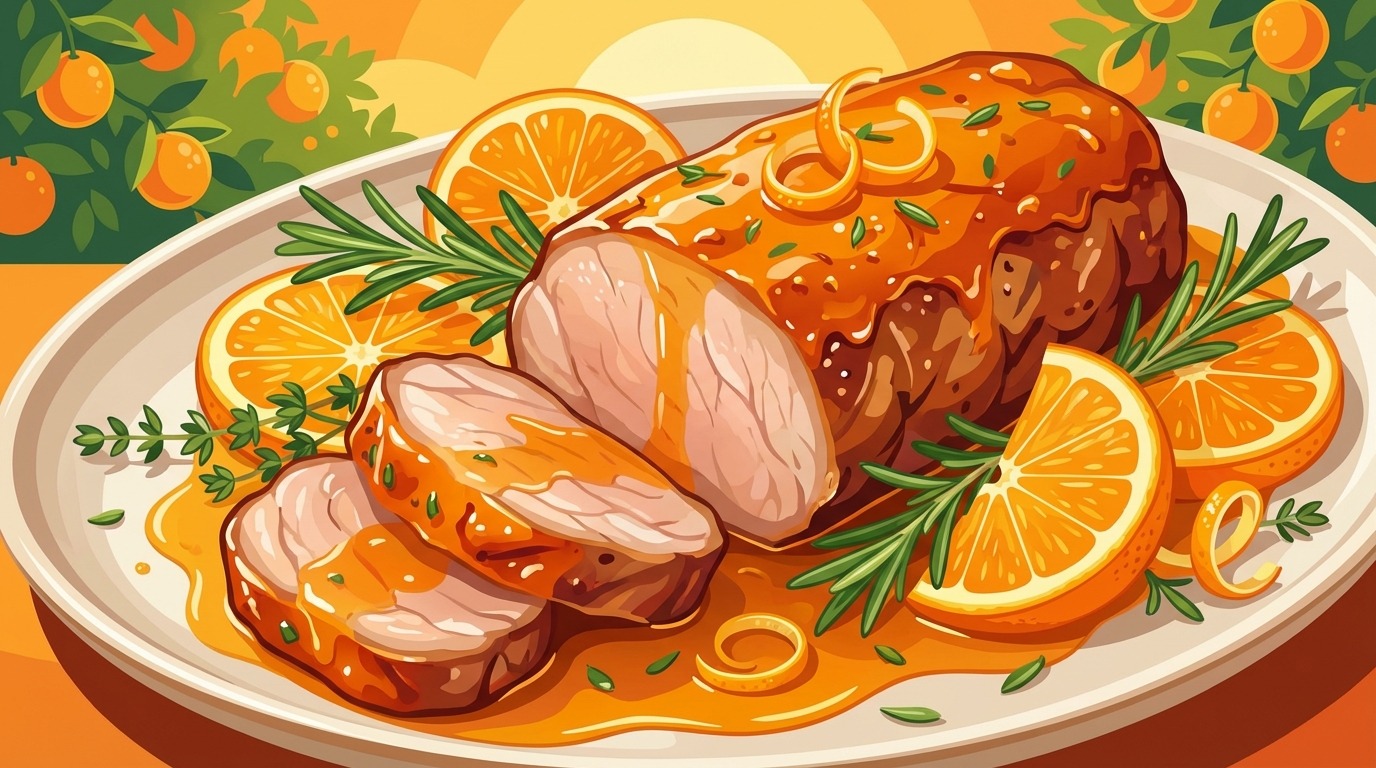
Orange Marinated Pork Tenderloin: JC Recipe: orange marinated pork tenderloin.
| Short on time? Here’s the essentials ⚡ |
|---|
| Choose a pork tenderloin of 600–800 g, lean and uniform 🍖 |
| Prepare a balanced orange marinade: juice + zest + salt + sugar + fat + spices 🍊 |
| Let marinate 4 to 12 hours in the cold, covered or in a sealed bag 🕒 |
| Move on to cooking the pork tenderloin: sear, then finish in the oven at 170–180°C 🔥 |
| Aim for 63–65°C core temperature, rest 5–10 min, spoon with reduced juice 🥄 |
From family tables to neighborhood bistros, the marinated pork tenderloin charms with its tenderness and simplicity. When paired with the orange marinade, it gains a rich depth where acidity refreshes, sugar coats, and the fruity aromas bring an irresistible modern touch. This “JC recipe” is shared like a well-kept secret: a precise balance of juice, zest, and spices that transforms a meat dish into a convivial gathering. Underlying it all is an infallible culinary logic: create contrast, then harmony.
Beyond taste, this approach optimizes texture. Thanks to citrus fruits, the fibers soften, the surface caramelizes better, and the pork tenderloin cooking becomes more predictable. Success then comes down to a few clear choices: quality of the fruit, resting time, and temperature control. This guide proposes a reasoned method, “orange cuisine” variations, and organizational tips. The goal is clear: to obtain a juicy, bright, and coherent marinated pork, without unnecessary gestures.
Marinated pork tenderloin with orange: understanding the magic of fruity aromas
The pork–citrus duo works because it combines discreet fat and freshness. The pork tenderloin is lean; it appreciates an extra softness, brought by the oil and the natural sugar of the orange. By contrast, acidity awakens the taste buds and enhances the perception of saltiness. Result: a sensation of depth from the very first bite.
The “JC recipe” illustrates a simple rule: one citrus, one sweetener, one salt, one fat, one fragrance. This quintet stabilizes the marinade. Orange juice provides acid and sugar, zest delivers character, honey coats, salt penetrates, and oil protects against oxidation. Thus, the marinade recipe structures flavor as much as it protects the meat.
The zest concentrates the true identity of the orange. In micro doses, it multiplies the fruity aromas without weighing down. Too much juice, and the water dilutes; too much zest, and bitterness takes over. JC’s trick is to grate finely and dose by pinches, tasting the marinade before immersing the meat. This gesture turns the “orange” into a signature, not an intruder.
Salt paves the way. In solution, it helps flavors migrate toward the center of the piece. Without it, the marinade remains superficial. With it, the notes of orange cuisine reach the fiber. Sugar then plays the tightrope walker: it compensates for acid, browns during cooking, and creates a shiny glaze. Finally, a drizzle of oil softens the whole and captures volatile compounds.
Why orange rather than lemon? Because it offers a rounder acidity and integrated sweetness. For a family palate, this profile speaks more. For a more zesty version, a hint of lime invigorates without displacing orange. Thus, the main citrus remains orange; the complement becomes a fine-tuning tool.
Balancing acidity, sugar, and salt: the winning triad
In a marinade, the goal isn’t to “cook” cold. It’s about flavoring and tenderizing gently. Too much acid hardens the surface and freezes the texture. However, aiming for a simple ratio — about 3 parts juice to 1 part oil, with 1 spoon of honey and 1 spoon of salt per 250 ml of liquid — balance sets in. Then, taste, adjust, and gradually add zest.
- 🍊 Citrus: citrus flavor and freshness; zest for identity.
- 🧂 Salt: flavor penetration and controlled juiciness.
- 🍯 Sugar: browning and roundness; honey or brown sugar.
- 🫒 Oil: protection and flavor binder.
- 🌿 Spices: pepper, garlic, coriander, or cinnamon for a warm touch.
In the end, this aromatic base allows “orange” to speak without masking the tender delicacy of the tenderloin. The key phrase is: balance, taste, adjust.

Detailed JC recipe: orange marinade and precise gestures for impeccable marinated pork
The “JC recipe” relies on clear quantities for 700 g of pork tenderloin. Mix 200 ml of freshly squeezed orange juice, 1 tbsp of fine zest, 1 tbsp of honey, 1 tsp of fine salt, 3 tbsp of olive oil, 1 grated garlic clove, and 1/2 tsp of pepper. Then add a pinch of Espelette pepper for a kick.
The meat is trimmed of small membranes for even cooking. Then it’s placed in a freezer bag, covered with marinade, air removed, and sealed. After one minute of massage, the bag goes into the cold for 4 to 12 hours. Before cooking, pat dry slightly to avoid excess moisture in the pan.
Ingredients and substitutions without loss of character
| Ingredient 🍽️ | Role 🎯 | Substitution 💡 |
|---|---|---|
| Orange | Acid + sugar | Mandarin or blood orange 🍊 |
| Honey | Browning + creaminess | Brown sugar or maple syrup 🍯 |
| Fine salt | Penetration | Finish with fleur de sel 🧂 |
| Olive oil | Protection | Neutral or light hazelnut oil 🫒 |
| Chili pepper | Kick | Grated ginger or long pepper 🌶️ |
For a “tapas bar” touch, add a pinch of cinnamon and a dash of sherry vinegar. This duo stimulates the candied note during cooking and enhances the fruity aromas. However, keep the focus: orange remains the star.
Key gesture: clean marinating and reducing without waste
Raw marinade must not be reused as is. For safety, bring it to a boil for 2 minutes to transform it into a glaze. Then reduce until syrupy. This dressing concentrates the citrus flavor and binds the plate.
Want to visualize the method? Here’s a useful search to get inspired by the gestures on video.
With these markers, the marinade becomes a reliable tool daily. Thus, aiming for consistency rather than chance.
Cooking pork tenderloin: temperatures, methods, and controlled tenderness
After marinating, the pork tenderloin cooking happens in two stages. First, a firm sear in the pan 1–2 minutes per side in a bit of oil. Then, transfer to the oven at 170–180°C until reaching 63–65°C core temperature. This range keeps the meat juicy while safe.
For 700 g, allow 10–14 minutes in the oven depending on thickness. Midway, baste with some reduced marinade. Then let rest 5–10 minutes under a slightly open aluminum foil. This rest equalizes juices and prevents “bleeding” when slicing.
On the plancha, use medium heat to avoid sugar carbonization. On the barbecue, work with indirect heat, lid closed, monitoring the glaze. Too intense embers burn the honey compounds. Thus, sweetness must prevail over excess fire.
Thermometer, visual cues, and plan B without probe
The thermometer remains the number one ally. If unavailable, press with a finger: resistance should be soft, like a relaxed muscle. The internal color should lean toward very pale pink, not gray. Finally, the juice that beads should be clear and slightly golden. These cues limit overcooking.
At the end of cooking, glaze with the orange reduction. This fixes the shine and offers an appetizing gloss. For those preferring just the pan, cook over medium-low heat, cover 4 minutes, then finish uncovered. The key stays the same: watch internal temperature, not the clock.
Need images to anchor timing and color? This video search helps compare doneness points.
In the end, better a gentle and precise cooking than a random flambé. The tenderness depends directly on it.
Side dishes and pairings: vegetables, starches, and drinks that highlight the orange marinade
The liveliness of orange calls for creamy textures and sweet vegetables. A tender polenta perfectly welcomes the reduced juice. Carrots roasted with cumin answer the warm tone of the citrus. Fennel confit in olive oil adds an aniseed vibration, close to orange blossom.
For starches, basmati rice absorbs without dominating. Toasted quinoa develops an interesting nutty note. A lemoned sweet potato purée bridges sweetness and acidity. Finally, a salad of young shoots, pomegranate, and nuts brings crunch and a vegetal counterpoint.
For drinks, a lively but fruity white wine creates a direct pairing: albariño, dry viognier, or straightforward chenin. For alcohol-free, sparkling water with orange zest and rosemary pleasantly surprises. A dry brut cider also works, as it extends freshness while keeping depth.
- 🥕 Carrots roasted with cumin: warm echo to the fruity aromas.
- 🥣 Creamy polenta: soft base for orange glaze.
- 🍚 Basmati rice: scented neutrality, perfect for a meat dish.
- 🥗 Pomegranate–nut salad: crunchy and acidic contrast.
- 🍏 Dry cider or rosemary sparkling water: taut and clean freshness.
In summary, successful pairing boils down to three words: contrast, texture, resonance. The tenderloin then gains clarity.
Organization, variations, and anti-waste: the best of daily marinated pork
To save time, prepare two portions of marinated pork on Sunday. One is cooked the same evening, the other goes to the freezer in its marinade. During the week, a simple refrigerator thawing is enough for slow defrosting. On the day, cooking is already scheduled.
Leftovers shine in sandwiches “banh mi” style: crusty baguette, quick pickles, coriander, and a touch of orange reduction. In a warm salad, thin slices of pork tenderloin rest on a bed of arugula and blood orange. This way, recycling happens elegantly, without loss of intensity.
For safety, used marinade is always brought to a boil before use as a sauce. Avoid overfilled containers in the fridge to allow quick cooling. Use labeled sealed bags: date, weight, and citrus type. This rigor ensures consistency and peace of mind.
“Orange cuisine” variations: honey–mustard, soy–ginger, or mild spices
The “JC recipe” base lends itself to detours. With 1 tbsp of old-fashioned mustard, the honey gains relief and creates a spicy touch. In an Asian version, light soy, ginger, and black sesame change the scenery without betraying the citrus flavor. For a sweet–savory atmosphere, cinnamon and star anise strengthen the candied note.
Finally, blood orange intensifies the color and brings a noble bitterness. Then adjust the honey down. On the barbecue, a bit of zest at the end of cooking releases a lively scent without burning. This flexibility makes the method universal, from hurried tables to refined dinners.
In the end, good organization multiplies saved minutes and preserves quality. Pleasure remains the compass, even when the schedule overflows.
“A well-run orange-marinated pork tenderloin is tenderness dancing with the light of citrus.” 🌟
How long should the pork tenderloin be marinated?
Aim for 4 to 12 hours in the refrigerator. Under 2 hours, the orange imprint remains discreet; beyond 12 hours, the acidity can tighten the surface.
Can orange be replaced by another citrus?
Yes, mandarin or blood orange work very well. Lime can complement in small quantities to enhance freshness.
What internal temperature should be targeted for juicy cooking?
63–65°C core temperature, with a 5–10 minute rest. This range preserves tenderness while ensuring safe cooking.
How to use the marinade after contact with the meat?
Boil it for 2 minutes, then reduce it into a glaze. Never use it raw as a sauce or finish.
What side dishes enhance the citrus flavor?
Creamy polenta, roasted carrots, confit fennel, basmati rice, or pomegranate–nut salad. For drinks, a lively white or dry cider.