
Added Natural Fibres: Chronicle: natural or added fibres?
| Short on time? Here’s the essentials 🚀 |
|---|
| Natural fibers = found in whole foods; added fibers = isolated or synthetic integrated into processed products 🍎 |
| Aim for 25–30 g/day through whole grains, legumes, fruits, vegetables 🥦 |
| Soluble fibers help with blood sugar and satiety; insolubles support transit ⚖️ |
| Prebiotic fibers feed the microbiota and strengthen immunity 🧠 |
| In textiles, favor natural materials and biodegradable for durability and environmental impact 🌿 |
| Combine natural fibers and scientifically validated added fibers when useful ✅ |
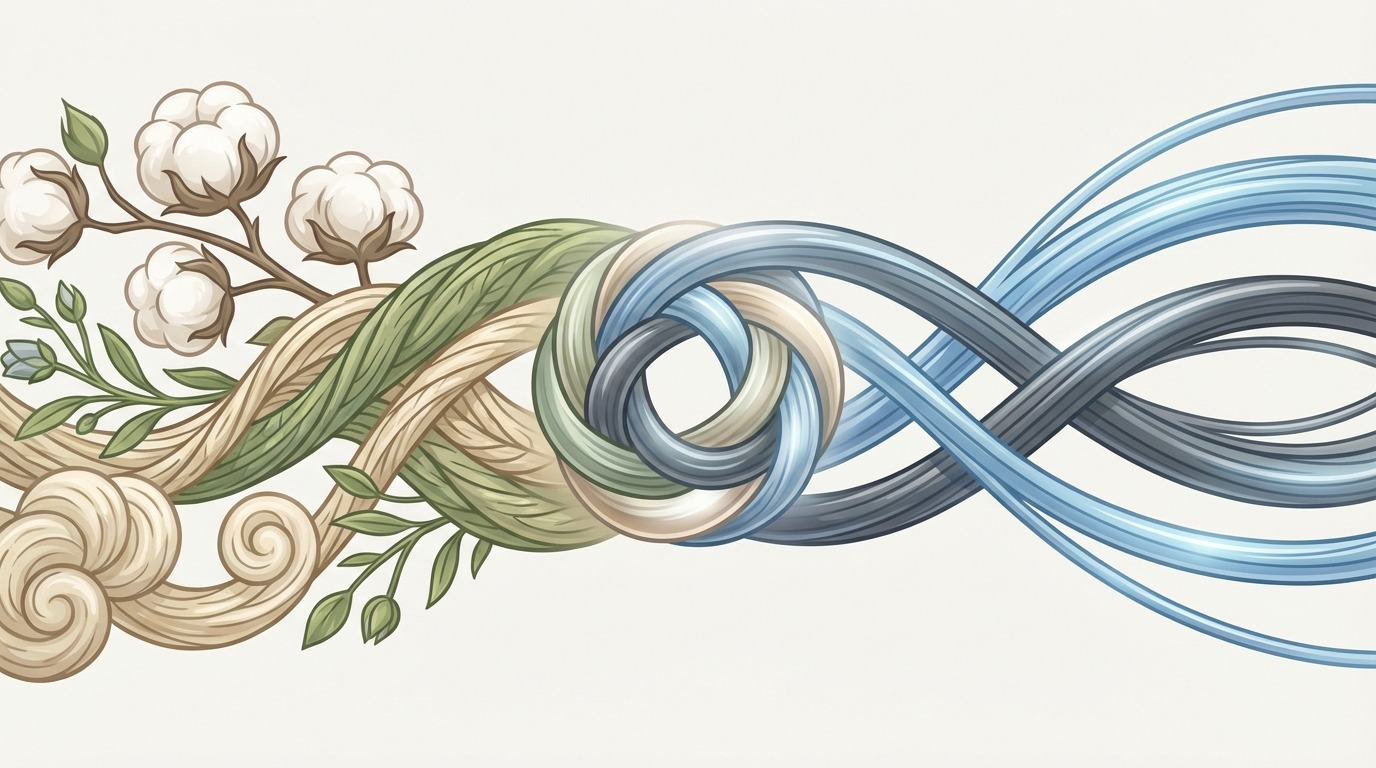
On the plate as in the wardrobe, the word “fibers” tells two stories that respond to each other. On one hand, dietary fibers protect the heart, calm hunger, support blood sugar, and nurture the microbiota. On the other, fibers in textiles map out an ethical fashion where natural materials, biodegradable, and durability become major criteria. Facing the abundance of added fibers on labels, one question keeps coming up: how to sort the essential from marketing promises?
This column contrasts nutritional guidelines with innovations in textile innovation. It sheds light on the daily choices of a family: shopping baskets, children’s snacks, cotton or hemp bodysuits and sleeping bags, wool or recycled polyester sweaters. Throughout the sections, precise references will help aim for 25–30 g of fibers per day without discomfort, while choosing more eco-responsible clothing for the best environmental impact. The guiding thread? Harmonize health, common sense, and the planet without giving up pleasure or style.
Dietary fibers and added fibers: clear definitions, concrete issues
Natural fibers found in whole foods differ from added fibers, which are isolated or synthetic and incorporated into processed products. This distinction, proposed long ago by scientific bodies, clarifies a central debate: not all fibers are equal, but they can complement each other meaningfully if the goal remains overall health.
Physiologically, dietary fibers are carbohydrates that the body does not hydrolyze. They therefore reach the colon almost intact. This journey is not passive: insoluble fibers swell the stool and speed up transit; soluble fibers retain water, form a gel, and slow the absorption of sugars and fats. Some solubles, called prebiotics, feed beneficial bacteria and support immunity.
Where to find them naturally? Insolubles abound in whole wheat, bran, wholegrain breads, as well as legumes and some vegetables rich in structural fibers. Solubles are found in oats, barley, rye, but also in carrot, zucchini, asparagus, and fruits like apple or orange. Prebiotics nestle in garlic, onion, chicory, artichoke, Jerusalem artichoke, asparagus, banana, and several cereals.
On the regulatory side, the 2016 American revision tightened the definition of “dietary fiber” for added components: only those demonstrating beneficial effects (blood sugar, cholesterol, transit, satiety) count on the nutrition label. An initial list included solid references such as oat beta-glucan, psyllium, cellulose, guar gum, pectin, carob gum, and a modified cellulose used in baking. Since then, the corpus has expanded with evidence, without denying a simple principle: scientific evidence first.
In practice, families spot the difference on the label. A bar “enriched with fiber” might raise the numerical score without offering the polyphenols, vitamins, and minerals of whole foods. Conversely, a lentil soup and a barley salad provide fibers, plant proteins, potassium, and magnesium. The winning logic? Start with the “raw” and supplement if needed.
A concrete example illustrates this choice. Lina, an active mom, plans a week: oatmeal for breakfast, legumes at least four times, whole fruits rather than juices, and wholegrain breads. For busy days, she accepts a plant-based drink enriched with validated fibers. Result: an average of 28 g/day without discomfort, and a nurtured microbiota.
- 🥣 Prioritize whole foods to accumulate fibers and micronutrients.
- 📦 Added fibers = useful as a supplement if the effect is proven.
- 🧪 Check claims: benefits must be proven, not suggested.
- 🧍♀️ Listen to your body: individual tolerance and gradual adaptation.
In nutrition, alignment between science, label, and personal sensations traces the surest path. The next step focuses on measurable daily effects.
Practical guidelines on intake and tolerance
Current recommendations invite adults to aim for 25–30 g of fiber per day. Actual intakes often cap at 15–20 g. A gradual increase of 3–5 g per week, combined with good hydration, limits bloating. Highly fermentable fibers above 10 g/day in sensitive people can cause gas and cramps: it’s better to space out intake and vary sources.
Key takeaway: aim for diversity, keep pleasure, progress step by step. It’s the ideal combination for lasting adherence.
Measured health effects: satiety, blood sugar, heart, microbiota, and transit
The five major benefits of fibers are observed clinically and in real life. First, satiety: soluble fibers swell in the stomach, modulate digestive hormones, and help reduce the energy density of the meal. A bowl of oatmeal with chia seeds satiates better than white bread with spread, at equal calories. This property supports weight management without extreme dieting.
Next, blood sugar: viscous gels slow glucose absorption. Post-meal spikes decrease, easing the burden on the pancreas. In people with insulin resistance, this physiological brake complements physical activity and sleep management. There is no magic food, but a smart fiber matrix changes the game.
The third pillar, the heart: fibers, particularly solubles, reduce cholesterol absorption and promote increased bile acid excretion. A daily serving of pearl barley or oat bran contributes to lowering LDL and triglycerides. This effect adds to the intake of phytosterols and antioxidants from whole plant foods.
The fourth asset, the microbiota: prebiotics feed beneficial strains producing short-chain fatty acids. These metabolites support the intestinal barrier, modulate inflammation, and communicate with immunity. Garlic, chicory, and Jerusalem artichoke contribute to this virtuous circle, even in small regular amounts.
Finally, digestive comfort: insoluble fibers promote regular transit and prevent occasional constipation. A meta-analysis confirmed the benefit of fibers in chronic constipation beyond 10 g/day over at least four weeks. The key remains consistency and sufficient hydration.
How to keep it simple on weekdays? A typical framework works well. Breakfast: oatmeal, whole fruits, and nuts. Lunch: legume + whole grain + varied vegetables. Dinner: fibrous vegetable soup, slice of whole bread, plain yogurt with oat bran. Snacks: fruits, roasted chickpeas, or a dairy with natural pectin from unsweetened compote.
Added fibers find their place when backed by robust evidence. Psyllium improves stool consistency; oat beta-glucans modestly lower LDL; pectin and guar gum support satiety. However, a frozen biscuit enriched with fiber will never equal a handful of lentils in overall nutritional density.
Vigilance is necessary for children and pregnant women. The goal remains diversity of whole foods, monitoring for bloating. For young parents reviewing winter routines, a guide on preparation against seasonal viruses can complement these adjustments, as in this practical article: tips for facing winter illnesses.
Measuring progress with simple benchmarks helps stay the course: frequency of stools, digestive comfort, hunger level between meals, waist circumference. When these indicators improve, the strategy is good. The next section breaks down labels and common pitfalls.
Natural fibers vs added fibers on the plate: labels, evidence, and marketing traps
In the face of the rise of “fiber-rich” foods, clarity depends on the label. The term added fibers covers a variety of compounds: plant isolates or synthetic polymers. Some have demonstrated effects on blood sugar, satiety, cholesterol, or transit; others offer only a flattering number without tangible benefit. This sorting is not meant to disparage but to prioritize what is useful.
Among well-supported ingredients are oat/barley beta-glucans, psyllium husk, pectin, guar gum, carob gum, and various forms of cellulose. Their interest is expressed at realistic doses within an overall diet. Conversely, powders added to ultra-processed desserts do not turn a sweet product into a health ally.
A common case: cereal bars “+ fiber.” Adding inulin or resistant maltodextrins can improve texture and fiber content on paper. Yet, the health interest collapses if the matrix remains rich in added sugars and low-grade fats. Better a portion of oats with nuts than a bar boosted with isolates, especially for children’s snacks.
Another pitfall: believing a “fiber source” yogurt replaces a fruit. Whole fruits deliver vitamins, antioxidants, and structured water. They also provide chewing that signals satiety to the brain. The isolate acts on a single parameter. Whole foods keep the multidimensional advantage.
How to navigate? A three-step plan simplifies decision making:
- 🧾 Read the ingredient order: if sugar comes first, the benefit is limited.
- 🥗 Prioritize natural fibers via whole grains, legumes, fruits, vegetables.
- 🧪 Accept added fibers only when efficacy is documented and the product is minimally processed.
- 🥤 Favor oats/barley, psyllium, pectin, guar when supplementation is useful.
- 🕒 Increase intake gradually to avoid intestinal discomfort.
Families also wonder during pregnancy, a sensitive period when the gut can be capricious. The solution involves gentle adjustments on the plate and skincare routine. In case of skin tightness, a reliable resource can help soothe and choose appropriate care: see these gentle remedies for skin during pregnancy.
Ultimately, the compass boils down to one sentence: more whole foods, fewer processed illusions. The next section applies this reasoning to another “fiber” universe: textiles and their environmental impact.
In textiles too: natural or added fibers, what eco-responsible and durable choice?
The word “fibers” links nutrition to the wardrobe. In fashion, the debate opposes natural materials (cotton, linen, hemp, wool) to added or processed fibers (polyester, acrylic, viscose, modal). Here, the reading grid changes: skin health, durability of pieces, biodegradable, water consumption, emissions, and end of life. One same demand remains: evidence and transparency.
Natural fibers were already breathing on our grandparents. European flax grows with fewer inputs, dries quickly, and lasts a long time. Hemp combines robustness and low water appetite. Wool insulates, regulates moisture, and is washed less often, reducing usage footprint. These assets strengthen ethical fashion when supply chains ensure honest traceability and worker respect.
Added or synthetic fibers nevertheless dominate volumes because they cost little and dry fast. The flip side is known: microplastics from washing, dependence on hydrocarbons, and problematic end of life. Progress is appearing, from recycled polyester to regenerated nylons. Nonetheless, mechanical or chemical recycling does not erase the need for sobriety.
In between, regenerated cellulosic fibers (viscose, lyocell) come from wood pulps. Lyocell stands out as an interesting textile innovation thanks to a better-controlled solvent and softness appreciated by sensitive skin, notably for bodysuits and sleeping bags. The demand remains the same: check serious labels and sources of the wood.
For babies and young children, the choice becomes very concrete. Cotton or blended linen bodysuits limit irritation and wash at low temperatures. A merino wool pajama regulates heat during feverish nights and reduces the number of supplemental layers. The environmental impact lightens when pieces are worn often, repaired, then handed down. This is real durability, not just a slogan.
In stores, Lina applies a simple framework:
- 🌿 Favor biodegradable materials (linen, hemp, wool, organic cotton if possible).
- 🧵 Choose dense and repairable weaves, guarantees of durability.
- ♻️ Accept recycled synthetics when technicality requires it (windbreakers, sport), in microfiber-catching wash bags.
- 🏷️ Look for credible labels and clear information on dyeing.
In the wardrobe as on the plate, the motto relies on two axes: fiber quality and matrix honesty. The following video explores the transition from materials to greener alternatives.
In the end, every purchase becomes a vote for a more eco-responsible value chain. The last section offers an operational plan to align the closet with the plate.
Daily action plans: fiber-rich menu and durable dressing, without mental overload
A nourishing plan starts in the kitchen. To reach 25–30 g of fibers without discomfort, the golden rule is to spread intake throughout the day. Here is an easy template to adapt by season and appetite. It works for the whole family, including during uncomplicated pregnancy, with healthcare approval.
Breakfast: oat porridge with ground flax seeds, apple slices, and a handful of nuts. Alternation possible with a whole muesli and plain yogurt. Morning snack: whole fruit or homemade roasted chickpeas. Lunch: pearl barley salad, lentils, grated carrots, olive oil, herbs. Snack: compote rich in pectin and a few almonds. Dinner: fibrous vegetable soup (broccoli, leek), slice of whole bread, fresh cheese.
For busy families, a recurring shopping list helps:
- 🥖 Whole grains: oats, barley, rye, buckwheat.
- 🫘 Legumes: lentils, chickpeas, red beans.
- 🍏 Fruits and vegetables: apples, citrus, carrots, cabbages, asparagus.
- 🌰 Nuts and seeds: almonds, ground flax seeds, chia seeds.
- 🧪 Targeted supplement: psyllium or beta-glucans if indicated, in small doses.
Adjustments are needed depending on tolerance. Some people poorly tolerate high amounts of highly fermentable fibers. Spreading intake, drinking more, and varying fiber families smooth out discomfort. Follow-up with a dietitian ensures safe adjustments, especially with digestive pathologies.
For dressing, the “capsule” approach lightens the mind. Three basics in natural materials (linen/hemp/organic cotton) for summer; two recycled technical layers if needed; one durable wool piece for mid-seasons. For children, breathable and repairable bodysuits increase comfort and savings. Parents also appreciate cross-cutting health-family advice, for example when skin tightens under hormonal changes: these gentle pregnancy tips help without adding mental load.
When winter comes, fiber-rich menus support energy and microbiota. Meanwhile, warm outfits in wool or hemp limit layering. To strengthen young children’s resilience, a seasonal reminder is helpful: this virus preparation guide is useful when rhythms accelerate at school or daycare — see these practical winter tips.
In short, a winning routine ticks three boxes: diversity on the plate, quality of fabrics, and simplicity of execution. Aligning these axes generates visible benefits: stable energy, digestive comfort, calmer skin, lighter dressing, and a happier wallet.
Guidelines for reading labels without getting lost
On food: for 100 g, aim for at least 6 g of fiber to consider it truly rich. On ingredients: recognize oats, barley, rye, psyllium, pectin. Beware of endless lists, especially if sugars come first. On clothing: check the share of natural fibers, labels, and ease of repair. These habits turn each purchase into an informed choice.
“Between the bowl and the button, choosing the right fiber means nourishing the body, skin, and planet with the same gesture.”
How much fiber to aim for daily and how to reach it without discomfort?
Most adults benefit from aiming for 25–30 g/day. Increasing in increments of 3–5 g/week, drinking enough, and varying insolubles (whole wheat, legumes) and soluble/prebiotic fibers (oats, barley, fruits, alliums) reduces bloating.
Are added fibers useful or to be avoided?
They can help if their benefit is proven (psyllium, beta-glucans, pectin, guar). They do not replace whole foods that provide vitamins, minerals, and antioxidants. Favor minimally processed products with low sugar.
Which fibers to choose for the microbiota?
Focus on prebiotic fibers: garlic, onion, chicory, artichoke, Jerusalem artichoke, banana, oats, and barley. Small regular amounts suffice to nourish beneficial bacteria.
In textiles, what to favor for better environmental impact?
Favor natural and biodegradable materials (linen, hemp, wool, organic cotton if possible), durable and repairable pieces, and use recycled synthetics when technicality requires it, minimizing quantity.
Can children consume fiber-enriched foods?
Yes, in moderation and favoring whole foods. Monitor individual tolerance. Snacks such as fruits, roasted chickpeas, and wholegrain breads remain the base.