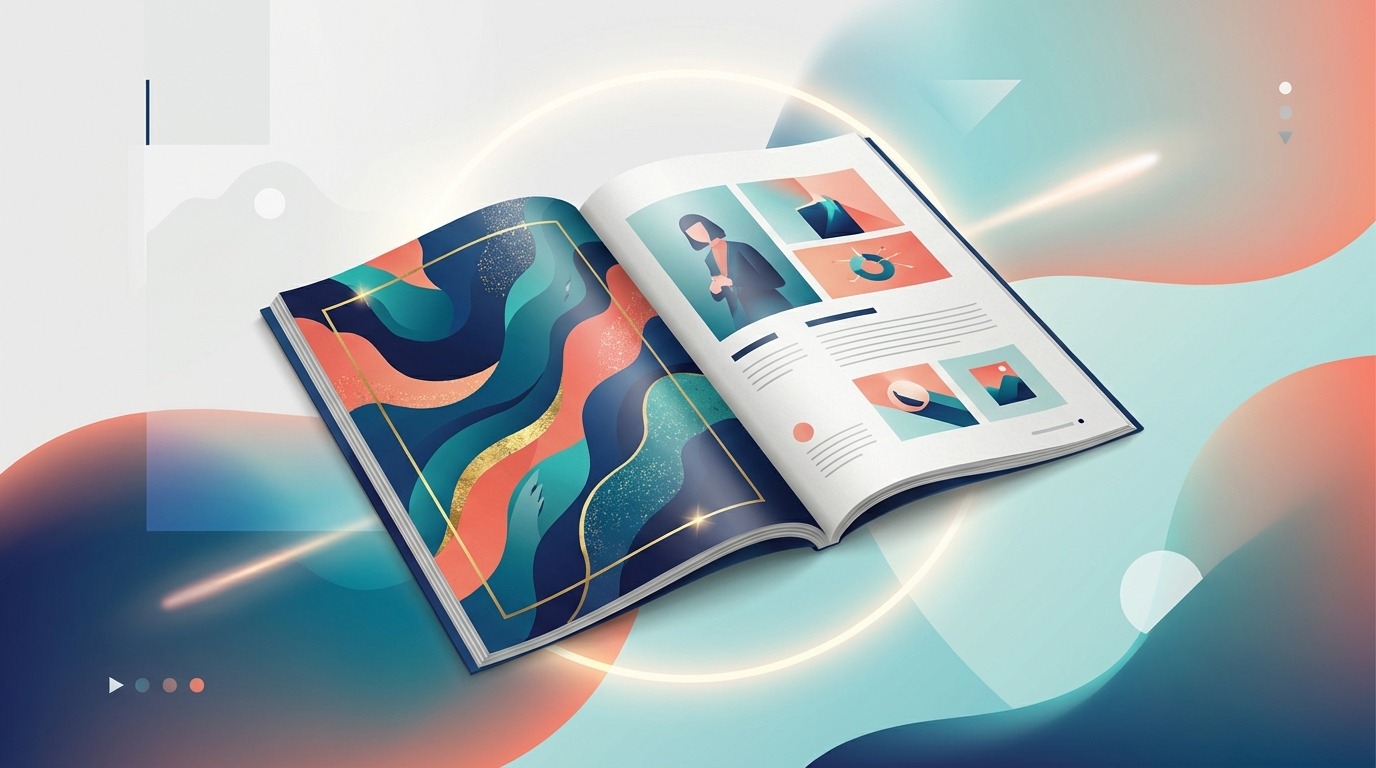
Magazine Paper: Discover our paper magazine.
While screen streams follow one another relentlessly, one thing is clear: the paper magazine remains a unique reading companion. Its physical format, texture, and thoughtful layout slow down the pace, promote concentration, and reignite the pleasure of exploring in-depth articles. Far from being fixed, print is evolving. Publishers are reinventing publishing with premium issues, artistic collaborations, and content enriched by digital technology. This movement can be seen everywhere, from cultural print media to entertainment titles, even in very targeted niche themes.
In 2026, news no longer belongs to a single channel. Yet paper has found its new role: that of an editorial space without distractions, supported by eco-friendly printing techniques and design serving thought. Between the act of flipping pages and the demand for substance, readers are attached to editorial brands that take care of the relationship, quality, and lifespan of their issues. This report explores the reasons for this loyalty, the concrete methods to succeed in a paper magazine, and examples that show a more creative rebirth than expected.
| Short on time? Here’s the essentials ⏱️ |
|---|
| The paper magazine offers lasting attention and a sensory experience impossible on screen 📖 |
| The premium format and limited editions revive the desire to buy and collect ✨ |
| The winning strategy: print + digital hybridization, with subscriptions and exclusive content 🔗 |
| Eco-responsibility in printing becomes a lever of value and trust 🌿 |
| Print media remains a cultural landmark between thoughtful news and quality entertainment 📰 |
| Creating a magazine requires a method: clear editorial line, strong layout, targeted distribution 🧭 |
The future of paper magazines in a digital world: why the physical format still appeals
Digital technology has disrupted reading habits. Yet, the printed object does not disappear. It gains uniqueness. The paper magazine offers a ritual: taking time, sitting down, flipping through, sometimes annotating. This material proximity creates an intimate relationship with the content, far removed from the flow of notifications. It’s more than a medium; it’s a mental framework.
Attention studies show better memorization when text is read on paper, especially for long articles. Here, the hand guides the eye. Sections structure the thought. Visuals breathe, as the layout imposes healthy boundaries. Thus, the mind analyzes better, compares, and prioritizes information. This cognitive quality strengthens perceived credibility.
Another asset is materiality. The grain of the paper, the smell of ink, the rustling of pages—all contribute to an experience. In an era saturated with screens, this return to the tangible feels like a pause. And this pause becomes a decisive emotional argument for print media. Titles that embrace it find a loyal audience.
The reader, meanwhile, seeks an object that lasts. A premium issue keeps a place on a coffee table. It is shared, gifted, preserved. This heritage logic nurtures perceived value. Titles like XXI or The Good Life have built their reputation on this demand. Quality printing, thick paper, demanding photography: the object defends the content.
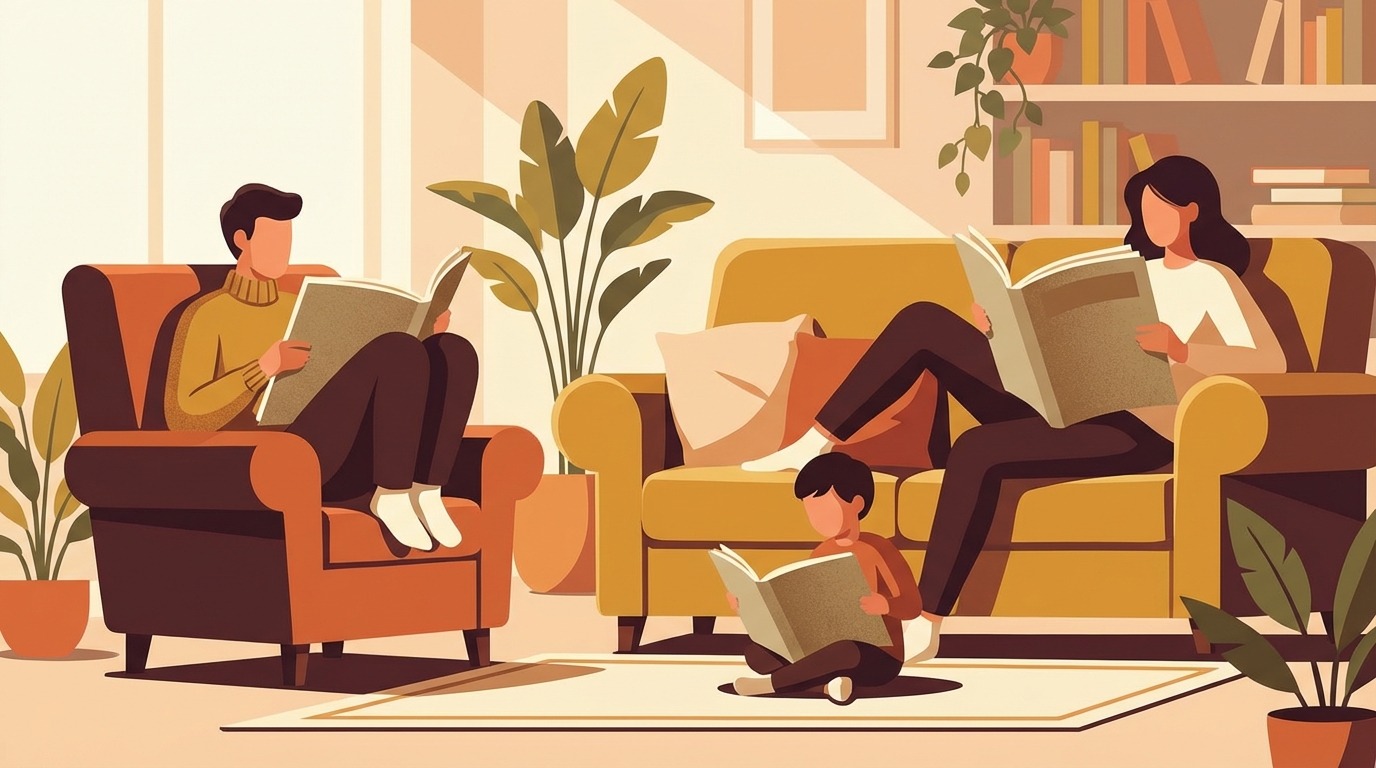
Finally, the physical presence of a magazine in a home transforms media consumption. A teenager stumbles across a feature, a parent discovers a column, a friend takes hold of an investigation. By capillarity, the object imprints its culture within the house. This silent sociability escapes algorithms. At heart, if digital accelerates, paper deepens. This is the balance readers seek.
Publishing strategies for a strong paper magazine: hybridization, premium, and community
Print + digital hybridization serving long reading
Efficient editorial teams combine the best of both worlds. On one side, the physical format hosts in-depth topics, slow narratives, and portfolios. On the other, digital platforms extend the experience with podcasts, videos, and newsletters. Thus, the media brand supports the reader throughout the week without overwhelming them.
This logic feeds modular subscription offers. The reader chooses: paper only, digital only, or full package. Publishing becomes an ecosystem. Some editorial teams offer seasonal editorial calendars, masterclasses, live events. This network strengthens belonging and purchase recurrence.
Premiumization: materials, design, and limited edition
Next, the upscale shift changes the game. Beautiful textured paper, careful printing, elegant typography: all of this is seen and felt. Numbered or signed collector’s issues create rarity. Moreover, a limited run can provoke a spike in demand and anchor value over time.
Covers become visual manifestos. A strong artistic choice tells the title’s positioning. Here, the limited edition gives a reason to buy now. There, a collaboration with an illustrator or photographer makes the launch an event. Thus, the media object joins the cultural field.
Beyond the product, community makes the difference. Reading clubs, bookstore meetings, editorial making workshops: these moments create memories. A media brand involved in local life gains legitimacy. This social capital strengthens loyalty and protects against fluctuations.
In short, alignment between business model, quality, and community supports the trajectory. A paper magazine thrives when it embodies a clear idea and orchestrates tangible proofs, issue after issue.
Paper magazine and culture: an object to live with between news and entertainment
The cultural role of print media in everyday life
In households, the magazine acts as a mediator. It filters news and offers original angles. Between culture and entertainment, it creates a coherent reading journey. Attention is not fragmented. Sections converse with each other. Topics gain depth thanks to infographics and photographs.
This editorial coherence facilitates access to knowledge. A feature on parenting can, for example, rely on useful digital tools. To deepen practical daily aspects, a guide like this app resource for baby tracking illustrates how paper and digital service enrich each other. Thus, the media brand continues to help after reading.
Concrete uses at home and on the go
At breakfast table, a magazine sparks conversation. In a travel bag, it becomes a companion without battery. In waiting rooms, it turns downtime into inspiring moments. These situations show the strength of a medium that doesn’t depend on a network.
- 📚 To learn without distractions: thematic files and long investigations
- 🧠 To train memory: stable visual markers and easy annotations
- 🎨 To nurture imagination: artistic direction, portfolios, and typography
- 🗞️ To follow thoughtful news: columns and contextualized analyses
- 🎲 For intelligent entertainment: games, illustrated stories, and comics
This plurality of uses fosters a habit. The more the magazine finds its place in the home, the more the brand becomes familiar. It is a relationship of proximity, founded on trust.
Finally, special issues mark the year’s rhythm. A special edition is designed as a gift object. To extend the experience into everyday life, complementary services, such as a digital guide for young families, enhance perceived usefulness. This way, the magazine goes beyond its pages and supports real life.
Ultimately, the value of a paper magazine is measured by its silent influence: what it makes germinate in minds and what it connects between people.
Creating and printing a paper magazine in 2026: operational method and key choices
Define editorial line, audience, and tone
Above all, it is necessary to aim correctly. A clear editorial line indicates the playground: topics, angles, values. The tone guides the relationship: friendly, expert, or pop. Then, the audience is defined through personas. For example, Lina, a bookseller, looks for in-depth reports. Noé, a young parent, wants practical formats. This dual anchoring helps structure the table of contents.
The editorial plan becomes the backbone. Short and long articles, portfolios, and visual breaks are distributed. Each page defends an intention. The rhythm alternates: a dense topic, a graphic pause, a lively interview. Thus, reading gains fluidity.
Layout, printing and eco-responsibility
On the layout, typographical hierarchy provides markers. The modular grid guarantees harmony. On the printing side, choices of paper, vegetable inks, and weight influence touch. Offset or digital printing depends on print run and budget. Eco-certified printers add a guarantee of trust.
| Step 🧭 | Deadline ⏳ | Tip 💡 |
|---|---|---|
| Angle and table of contents | 1 week | Co-create with 5 test readers 🤝 |
| Writing and iconography | 3 weeks | Plan visuals per topic 🗂️ |
| Layout and proofreading | 2 weeks | Print reduced proofs for annotation ✍️ |
| Printing and quality check | 1 week | Choose certified and local paper 🌿 |
| Launch and distribution | 2 weeks | Event + subscription offer 🎉 |
Distribution mixes bookstores, kiosks and e-shop. “Paper + audio” or “paper + newsletter” packs stimulate conversions. A calendar of bookstore events gives substance to the brand. Furthermore, a page of useful services, like practical tools, can relay relevant digital resources for the community.
Measuring remains essential. Renewal rate, average basket, share of direct sales: these indicators guide investment. With a continuous improvement loop, each issue progresses. Ultimately, the method transforms an editorial vision into an object eagerly awaited in the mailbox.
Disappearance or rebirth of the paper magazine: evidence, case studies, and perspectives
Case study 1: premium as antidote to volatility
A high-end lifestyle title with a reasonable print run and assumed price has relaunched its growth. How? By strengthening its photography, making investigations denser, and limiting intrusive advertising options. The reader perceives clear value, without noise. Result: a collection is set up among subscribers. Thick paper, refined artistic direction, and timeless features create a personal library.
This strategy opposes the cycles of clicks. Instead of chasing immediacy, the magazine offers a horizon. It is a promise of consistency. Renewals reflect this lasting satisfaction and stabilize the model.
Case study 2: the editorial brand as an active community
Another example comes from a local title. It brought together artisans, teachers, and families around writing workshops. The magazine became a stage. Public readings and openings punctuated issues. This cultural network doubled single-issue sales. Social media amplified without cannibalizing, as the core experience remained the physical format.
In this dynamic, the limited edition of a special issue served as a catalyst. Signatures, numbering, mass-dyed paper: the object circulated like a gift. Pride in ownership took precedence over mere consumption.
Case study 3: specialized print media and use value
On a focused thematic segment, a magazine gathered a niche audience with a precise editorial mix. Tutorials, practical sheets and in-depth articles alternate. A companion app meets daily needs. This continuum, comparable to a digital guide useful for young parents, proves that the service strengthens loyalty to paper. The physical medium becomes the reference; the digital tool extends the use.
Overall, the answer to the question “disappearance or rebirth?” boils down to one word: intention. When a magazine knows what it creates, for whom, and how, paper wins. The rebirth is not a slogan; it is a method applied with consistency.
Why choose a paper magazine in the all-screen era?
For attention, memorization, and serenity. The physical format promotes deep reading, without notifications, with a layout designed to guide the eye and reasoning.
Is paper compatible with a digital strategy?
Yes. The best titles combine printed editions and digital services: podcasts, newsletters, apps, and live events. Each channel has a role and strengthens overall value.
How to make a magazine ecologically responsible?
Choose certified paper, vegetable inks, optimize print runs, manage logistics, and publish durable issues that last. The footprint decreases and trust rises.
Which content works best in physical format?
Investigations, long stories, portfolios, as well as well-designed practical files. Paper excels when reading time and visual emotion matter.
How to start creating a magazine?
Clarify the angle, define the audience, build an editorial plan, prototype the layout, test with readers, then launch a pilot print and a mixed distribution plan.
“A paper magazine is not scrolled: it is encountered, kept, shared.” ✨