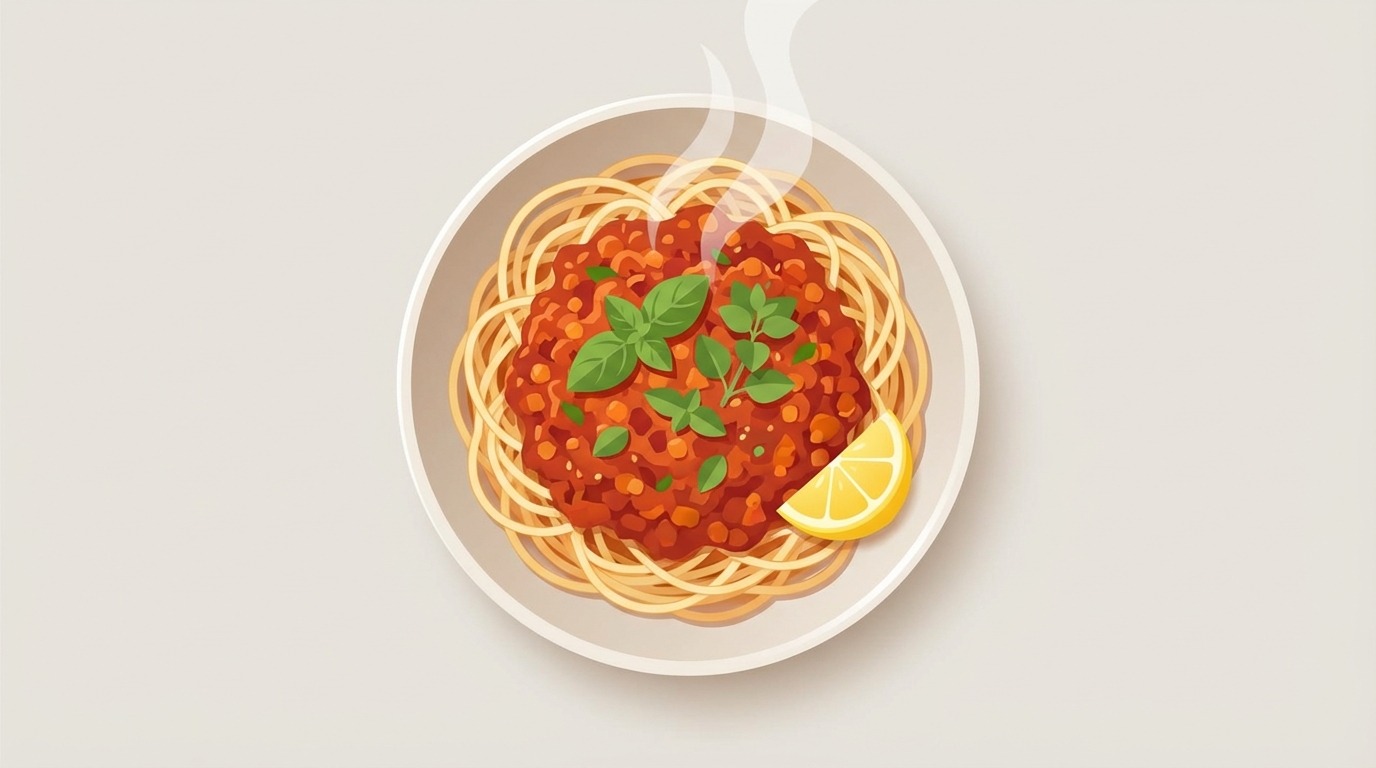
Spaghettinis Lentil Sauce: Recipe: spaghettinis with lentil sauce.
| Short on time? Here’s the essentials ⏱️ |
|---|
| Goal 🍝: Spaghettinis coated with a rich lentil sauce, inspired by Italian flavors, for a healthy and indulgent dish. |
| Asset 🌱: Legumes provide fiber and protein; the recipe ticks all the boxes of vegetarian cuisine. |
| Timing ⏳: Short active prep; the sauce simmers while the pasta cooks. Ideal for an easy meal. |
| Taste 🍅: Tomatoes, herbs, a splash of white wine, and a touch of lemon-parsley ricotta for brightness. |
| Bonus 🧊: Keeps for 5 days in the fridge and 3 months in the freezer. Perfect for batch cooking. |
Established as a modern alternative to bolognese, the lentil sauce blends creaminess, character, and simplicity. In a rushed world, it promises an easy meal that respects appetite and health alike. The spaghettinis offer a fine texture, perfect for catching every drop of sauce. The plate stays true to Italian flavors while highlighting local or European legumes, which are more accessible and sustainable.
Throughout preparation, the scent of tomato and caramelized garlic gently emerges. Herbs, a hint of white wine, and the almost hazelnut sweetness of lentils form a harmonious whole. Thus, the healthy dish sacrifices nothing to pleasure. By 2026, family kitchens, cafeterias, and even food trucks will embrace this pasta and legume duo. The table gains in color, texture, and conviviality.
Spaghettinis with lentil sauce: culinary basics for a foolproof recipe
The success of a recipe first depends on ingredient quality. Meaty tomatoes, good olive oil, a sweet onion, and regular lentils ensure balanced texture. The spaghettinis, thinner than spaghetti, hold the lentil sauce well without weighing it down. This shape also makes chewing easier for kids, appreciated in busy homes.
The aromatic build follows a precise order. First garlic and onion gently brown to release their sugars. Then comes diced carrot, which will melt into the sauce. A touch of tomato paste reveals an almost umami depth. Then, crushed tomatoes mix with herbs and bay leaf for a low, long simmer that tames acidity.
Why do legumes work so well here? Because the lentil mimics the bite of a bolognese while absorbing aromas. Its starch binds with the tomato and adds body. The result remains dense but not pasty. The key lies in cooking the lentils separately before combining. Their integrity is preserved, and the sauce doesn’t become diluted.
Another point: managing salt and acidity. Tomatoes can be temperamental. A zest of lemon and a dollop of whipped ricotta add relief and roundness without masking the vegetable base. This duo finishes the dish on a fresh note. It also encourages reducing grated cheese quantity, preserving overall lightness.
In the family of Léa, Tom, and Naïm, this preparation found its place on Wednesdays. The sauce simmers during homework. The kids shape ricotta-parsley balls. The table becomes a workshop; everyone feels involved. This ritual turns vegetarian cooking into a unifying moment, without moralizing speeches.
Key ingredients and role of each
Each ingredient serves a function, not just flavor. The onion structures the base. The carrot softens. Thyme and bay leaf guide the nose toward Italy. White wine softens the tomato, then evaporates leaving only its minerality. Blond or green lentils ensure texture and richness. Finally, lemony ricotta concludes with a cloud-like sensation.
- 🍅 Roma tomatoes: dense pulp, less water, thicker sauce.
- 🧅 Onion + garlic: sweetness and aroma, indispensable base.
- 🥕 Brunoise carrot: natural sugar, melting texture.
- 🌿 Thyme + bay leaf: hallmark of Italian flavors.
- 🍋 Lemon + parsley: fresh finish that awakens the sauce.
- 🌱 Blond or green lentils: plant proteins and fiber.
- 🧀 Ricotta: light creaminess, perfect counterpoint.
Bringing these elements together, the plate gains coherence. The dish speaks as much of balance as of pleasure.
Ingredients, lentil choices, and step-by-step for truly tasty pasta
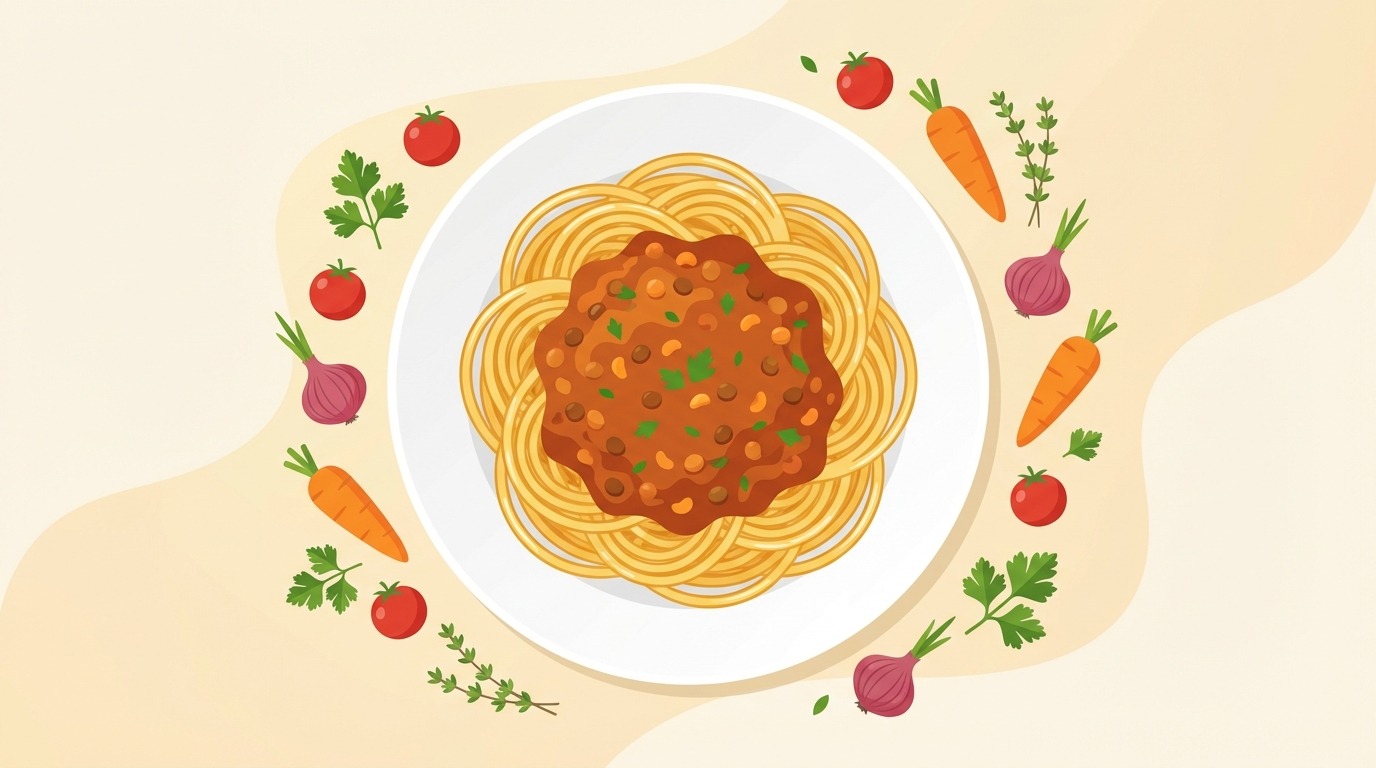
The list sticks to accessible products, no artifices. For 4 servings, count about 320 g of spaghetti or spaghettinis. Add 500 g of Roma tomatoes, 200 g of blond lentils, 1 onion, 1 clove of garlic, and 1 carrot. Plan 1 sprig of thyme, 1 bay leaf, 1 teaspoon of tomato paste, 3 cl white wine, 4 tablespoons olive oil. For the final touch: 200 g ricotta, 4 sprigs parsley, 1 organic lemon, salt and pepper.
Start by peeling the tomatoes. Score a cross, plunge them 15 to 20 seconds in boiling water, then cool them. Peel, deseed, and cut the flesh. This step reduces bitterness and avoids hard pieces. It also improves overall sauce texture.
Slice the onion. Crush the garlic. Cut the carrot into small regular dice. Heat 2 spoons of olive oil in a sauté pan. Sauté onion, garlic, carrot with tomato paste for 5 minutes. Lightly salt to help water release and encourage caramelization.
Pour in tomato flesh, white wine, thyme and bay leaf. Lower heat and simmer 30 minutes. Stir to prevent sticking. Adjust seasoning. If tomatoes lack sun, half a spoon of sugar balances everything.
Meanwhile, rinse the lentils. Place them in three times their volume of cold water. Bring to boil, then cook about 25 minutes. Drain carefully. This separate cooking avoids too watery a sauce and keeps the lentil intact. Then gently mix cooked lentils into tomato sauce.
Cook the pasta in a large volume of salted water. Drain immediately. Reserve some cooking water. It will help adjust the texture if needed. This starch-rich water acts like a gentle glue between sauce and spaghettinis.
Prepare the creamy accompaniment. Crumble the ricotta. Add chopped parsley, finely grated zest and a few drops of lemon juice. Bind with 2 spoons of olive oil. Salt, pepper. This preparation can be plated as quenelle. It will melt on contact with hot sauce, offering a comforting contrast.
Checkpoints and common mistakes
A curdled sauce signals too acidic and undercooked tomato. Extend simmering. A too-liquid sauce? Let reduce, or add a spoonful of diluted paste. A burst lentil? Heat too high or salt added too early in cooking water. Take your time, precision always pays off.
In this logic, patience avoids most hiccups. Each step has a reason. Respect the order, and success will follow.
Italian flavors and nutritional assets: the duo that changes the game
Italian flavors are told through a few gestures. A generous but measured olive oil. Herbs awakened by heat. A tomato cooked to softness. This trio signs the sauce. The lentil sauce fits in this tradition, without pastiche, with indulgence as compass.
On the nutritional level, the success is striking. Legumes deliver protein, fiber, and minerals. Satiety sets in without heaviness. Pasta provides energy useful for the day. Together, they form a healthy dish that supports effort, work, and recovery.
In active households, this recipe imposes itself. Cost remains controlled. Ingredients are available everywhere. Preservation is excellent. This trio of qualities creates a 2026 standard: cook fast, well, and better. Without guilt, without frustration.
The ecological dimension also counts. Replacing part of meat with lentils reduces carbon footprint. Sectors evolve, short circuits gain ground. Home cooking becomes a concrete lever. It influences purchase choices and values basic products.
In a downtown daycare, the chef proposes this sauce every other Thursday. Children eat with appetite. Parents notice reheated leftovers taste even better. Far from a fad, here is an anchored habit. Simmer, share, reheat: three moments, one same joy.
Seasoning and sensory balance
Fat, acid, salty, sweet must answer each other. Olive oil coats. Lemon lifts. Salt structures. Carrot adds a hint of sweetness. Thus, each bite finds its center. A sprinkle of zest at service stimulates the nose. The first fork announces the next.
Final advice: mind the texture. Spaghettinis cooked al dente and linked with a veil of cooking water ensure a silky mouthfeel. The sauce must coat, not run. This detail makes the difference between good and memorable.
Creative variations: express, slow cooker, spicy, or controlled omnivore option
A solid base always invites variations. For a rushed evening, replace fresh tomatoes with good quality canned crushed tomatoes. Cooking time shortens, flavor stays clear. Add a pinch of Herbes de Provence to recall summer. The result suits a easy meal perfectly, no compromises.
Slow cooker version? Sweat onion, garlic, carrot in the pan. Transfer to pot with tomatoes, paste, herbs, a touch of chili if desired. Add rinsed lentils. Cook on low for 4 hours. Stir occasionally. The sauce gets a confit texture, ideal for spaghettinis.
Want a spicy edge? A spoonful of sambal oelek and a pinch of cayenne push the sauce toward a sunnier profile. Serve with fresh herbs and some capers for a salty contrast. Italy remains present, but a wind from elsewhere joins the plate.
Controlled omnivore option: add a small amount of ground pork, about 200 g for 4 to 6 portions. Brown it with onion, garlic and diced celery. Then add tomatoes and lentils. This mixed way reassures palates attached to traditional recipes. Legumes remain the majority and the spirit of the healthy dish stays intact.
Finely chopped mushrooms represent another path. Their juice boosts umami and their texture mimics minced meat. Sear them quickly to evaporate water. Add to sauce at end of reduction. You’ll get a striking aromatic density, especially with a touch of mild miso.
Lemony finishing and alternative cheeses
Lemon-parsley ricotta brightens the sauce. You can also choose fresh sheep’s cheese, or a plant-based alternative worked with lemon and olive oil. Serve in quenelles or small spoons. This final touch guides the palate and balances the tomato depth.
For gluten intolerant, swap pasta for corn-rice. The sauce also pairs well with grilled polenta, steamed potatoes, or even roasted eggplant. The heart of the recipe remains the sauce, not the base. This versatility multiplies opportunities to adopt it.
Whatever the variant, remember the logic. A clear aromatic base, a patiently cooked tomato, and a respected lentil. Freedom follows, never at the expense of the fundamentals.
Organization, batch cooking, and service: from pot to plate without stress
An easy meal is anticipated. Cook a double quantity of sauce on the weekend. Serve part with spaghettinis the same day. Reserve the rest for busy lunches. The sauce keeps up to 5 days refrigerated and 3 months frozen. It reheats without losing character.
When reheating, add a ladle of pasta cooking water or a splash of water. Stir until desired fluidity is reached. Taste, adjust. A little lemon zest or olive oil at end of heating brings back brightness. Service must stay lively and generous.
For a balanced dinner, present the sauce with crunchy green vegetables. Broccoli, arugula, or lemon vinaigrette salad lighten the plate. Fermented vegetables, like some cabbage or lacto-fermented carrot, offer a tangy counterpoint. These additions complement the nutritional profile without overburdening the organization.
At the table, garnish with lemon-parsley ricotta or an alternative. Offer freshly ground pepper. Let everyone adjust according to appetite. Adults will prefer a hearty portion. Children will pick more willingly if the plate stays neat and colorful.
Weekday action plan
Monday evening: start the sauce while preparing another dish. Wednesday: reheat and cook the spaghettinis. Friday: slip leftovers into express cannelloni or creamy polenta. This simple rotation avoids boredom and creates tasty appointments.
| ⏲️ Key step | 💡 Tip | ✅ Result |
|---|---|---|
| Peel the tomatoes | Score + boiling water 20 s | Smooth texture 😌 |
| Sweat onion/garlic/carrot | Medium heat + light salt | Caramelized sweetness 🍯 |
| Simmer with herbs | 30 min low heat | Controlled acidity 🌿 |
| Cook lentils | Start cold water, 25 min | Intact grain 🌱 |
| Bind with cooking water | A ladle if needed | Silky sauce ✨ |
For trattoria-worthy service, warm the plates. Mix pasta and part of the sauce first. Then add a spoonful on top. Place lemony ricotta as final touch. Sprinkle with parsley. The first bite combines warmth, aromas, and creaminess. Mission accomplished.
Complete optimized recipe: proportions, tempo, and Italy-inspired finishes
Proportions guide the hand and reassure. For 4 guests, gather: 320 g spaghettinis, 200 g blond lentils, 500 g Roma tomatoes, 1 onion, 1 garlic clove, 1 carrot, 1 sprig thyme, 1 bay leaf, 1 tsp tomato paste, 3 cl white wine, 4 tbsp olive oil. Finish with 200 g ricotta, 4 sprigs parsley, 1 organic lemon, salt and pepper.
Suggested tempo. While tomatoes simmer 30 minutes, start lentil cooking. Drain, assemble, and keep sauce at gentle simmer. Cook pasta just before serving. Save time by preparing parsley ricotta in advance. This compact organization reduces evening stress.
At plating, favor even coating. If sauce seems dense, loosen with half ladle cooking water. If too fluid, extend reduction or add a small amount of paste. Salt adjusts at end. A drizzle of raw olive oil highlights aromatic maturity.
Lemon scent commands a light hand. Fine zest, no more. Juice used sparingly. The goal remains brightness, not acidity. Parsley, chopped last moment, releases its bright green. This combo gives impression of an even lighter dish. It convinces hesitant palates.
Finally, the sides. A bowl of lemony arugula, some roasted cherry tomatoes, or oven-grilled vegetables pair very well. Crunch and freshness balance the sauce. A glass of crisp dry white underscores the dish’s minerality. The table breathes, appetite opens.
Texture contrasts and anti-waste tips
Add toasted stale bread crumbs fried in oil and garlic for crunch. Incorporate some chopped olives for a briny note. Parsley stems can flavor the simmer, then be removed. Sauce leftovers dress bruschetta or coat pan-fried gnocchi. Nothing is lost, everything is enjoyed.
By mastering this tempo and these finishes, the recipe gains precision. And precision here is tasted.
Which lentils to choose for a vegetarian bolognese sauce?
Blond or green lentils hold up better during cooking. They offer a bite close to traditional sauce. Coral cook faster but turn into puree; reserve them for soups or dals.
How to get a well-bound sauce without cream?
Use pasta cooking water, rich in starch. Add it by small ladles while stirring vigorously. Tomato paste also helps thicken the sauce without weighing it down.
Can the sauce be prepared in advance and frozen?
Yes. The sauce keeps 5 days in the refrigerator and 3 months in the freezer. Reheat over low heat with a splash of water, then adjust salt, olive oil, and lemon zest.
Is ricotta essential?
No, but it adds fresh creaminess. Replace it with fresh sheep cheese or a plant alternative with lemon and olive oil. Serve in small amounts to keep balance.
What vegetables to serve alongside for a complete dish?
Broccoli, arugula, lemon vinaigrette salad, grilled zucchini or fermented vegetables. Their freshness and crunch complement the richness of lentil sauce.
“Spaghettinis, lentils, and Italy on the plate: simple to cook, impossible to forget.”