
Toddler Weight Worry: Toddler Weight: Should You Be Worried?
| Short on time? Here is the essentials ✨ |
|---|
| The weight of toddlers varies week by week: observe the growth over several months 📈 |
| Concern is legitimate if appetite drops, if weight gain stagnates for 3 months, or if the child is lethargic 🚩 |
| Pediatrics relies on percentile charts; staying within your lane is more important than the raw number 🧭 |
| Dense nutrition, peaceful meals, and stable sleep support development 🍽️😴 |
| Prioritize kind monitoring over constant weigh-ins, and consult early if in doubt 🤝 |
Between worry and the desire to do well, many families wonder whether their child’s weight is “within the norm.” An obsession with numbers can quickly obscure what matters most: understanding the individual growth trajectory, pacing it with peaceful feeding, and spotting useful signals. Both in daycare and at home, the same observation applies: a toddler who plays, laughs, and sleeps well is already growing in the right direction.
To help parents, this article brings together precise pediatric benchmarks, concrete examples, and strategies you can apply today. It is based on validated practices in child health, while remaining pragmatic and warm. The stories of Maya, Sacha, and Lina illustrate common cases: growth spurts, rollercoaster appetites, recurring colds, or sudden desires for autonomy at the table. The goal is not to reassure at all costs but to equip everyone to decide when to wait, when to adjust, and when to consult.
Weight of toddlers and growth charts: reading, understanding, deciding without panic
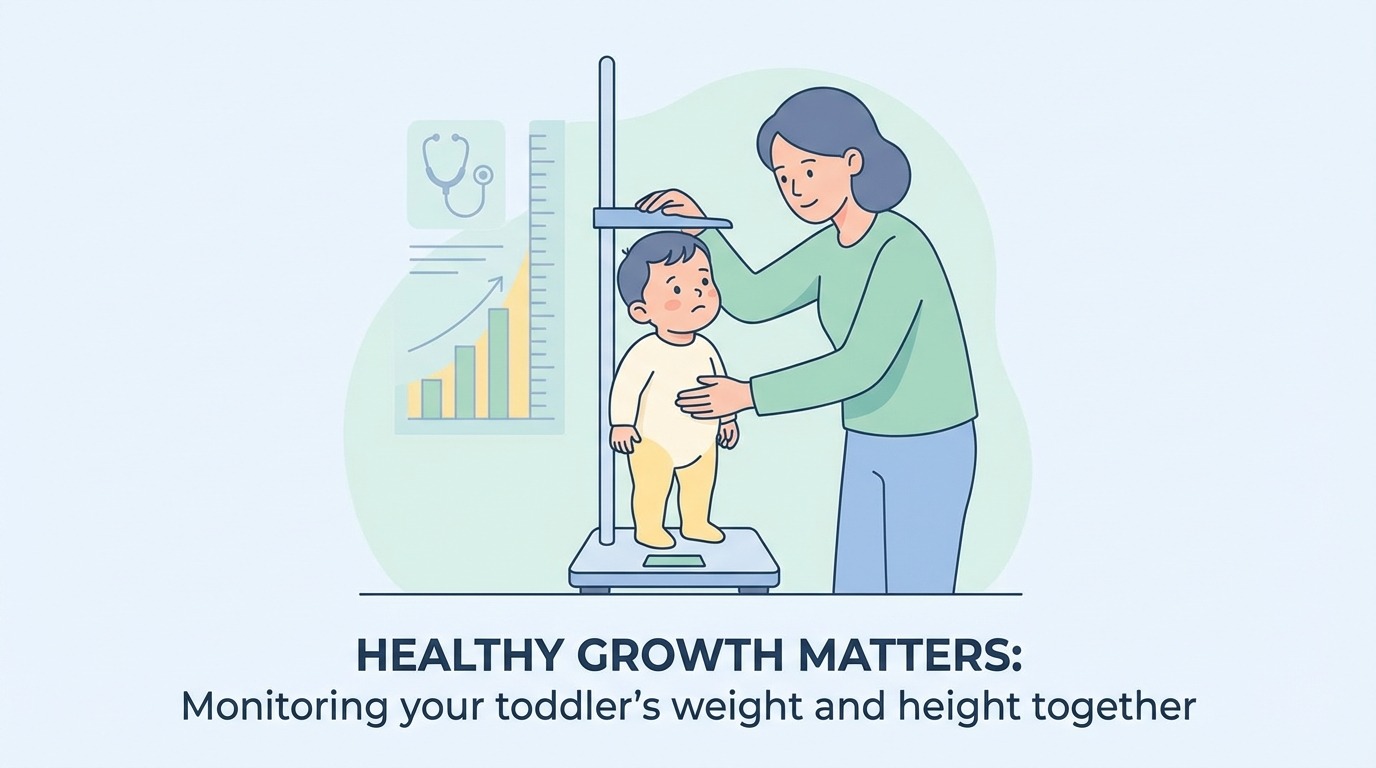
Weight alone does not tell the whole story. Growth charts describe a dynamic that takes into account age, sex, and personal trajectory. Staying in the same percentile lane over several months is a good sign, even if the child is not “in the arithmetic average.” Consistency is what matters.
In practice, an isolated measurement can mislead. Slow transit, a delayed nap, or a different scale cause artificial fluctuations. Thus, relevant monitoring is based on regular measurements, taken under comparable conditions, and combined with daily observations: appetite, tone, sleep, and play.
Percentiles, “elbows,” and plateaus: what should alert you
An “elbow” in a curve means a marked deviation from the previous trajectory. If a toddler slips two percentile lanes in a few months, concern is justified. Conversely, a short plateau after a viral illness is common. The alert is confirmed if the plateau lasts, vitality decreases, or height also stops progressing.
The role of pediatrics is to integrate these data. During consultation, clinical examination prevails: skin, hydration, eating behavior, psychomotor development. A precise scale and a reliable height meter are essential. Shared records prevent hasty interpretations.
Case study: Sacha, 18 months, weight at the low end of the curve
Sacha is slender, smiling, and has been walking since 13 months. His weight remains on the 10th percentile, his height on the 25th. Parents are worried. But his tone is good, his curiosity lively, and weight gain follows a stable pace. The recommendation was simple: keep steady, slightly enrich meals, and check back in 6 weeks. The real message: consistency rather than comparison.
For further reading, a clear guide on measurement evolution is offered here: understanding baby growth and weight. It helps to read charts and put temporary deviations into perspective.
In conclusion to this section, the most reliable compass remains the trajectory. When the curve follows its path, anxiety can lessen.
Normal variations in toddlers’ weight: capricious appetite, mild illnesses, and environment
Daily life explains much of the weight fluctuations. Toddlers experience waves of appetite. One day, three bites are enough. The next day, the plate is cleared in a blink. These oscillations are linked to growth spurts, naps, and physical activities. Assessments must therefore be spread out over time.
Seasonal illnesses also influence weight gain. A cold with a cough reduces the desire to eat. After recovery, appetite returns. To limit the impact, respiratory comfort and hydration must be central. Useful benchmarks are available here: cold, cough, and medications in children. Adapting food intake during convalescence is then appropriate: easy textures, small volumes, frequent snacks.
Family factors, genetics, and household rhythms
Every family has its signature. Two slender parents often have a slim child. Heritage influences metabolism and appetite. Moreover, meal times, light, and availability during meals shape intake. A dinner too late shortens the night and reduces morning appetite.
At Lina’s house, meals lasted 50 minutes, mixing conversation and play. Result: many distractions and poorly perceived satiety. By reducing meal time to 20 minutes, putting toys farther away, and keeping a calm atmosphere, total intake gained regularity. Curves followed.
Environment and small habits that weigh heavily
Outings and weather also play a role. Reasoned sun exposure supports vitamin D, hence child health. In summer, heat sometimes reduces appetite. Better to fractionate meals and hydrate often. Safety rules are detailed here: protecting children from the sun. A good balance avoids ups and downs on the scale.
Another variable is the skin. Small rashes can signal an intolerance or just a common irritation. A child who scratches sleeps less, eats less, and weight suffers. Identifying the cause helps restore appetite. To get oriented: rashes in children, causes and treatments.
Checklist for reading variations
- 🍎 Appetite over 7 days, not just 1 meal
- 🕒 Meal duration between 15 and 25 minutes
- 💤 Consolidated sleep and regular naps
- 🏃 Daily free play, no screens during meals
- 🧃 Increased hydration during fevers or heat waves
Underlying idea: context shapes the plate. By adjusting this context, weight gain regains its rhythm.
Toddler nutrition and peaceful weight gain: portions, density, and easy rituals
Appropriate nutrition is neither about “stuffing” nor threatening. It builds a calm relationship with hunger and satiety. Food group benchmarks help, but listening to the child matters just as much. The goal is to offer healthy, repeated choices, without pressure, with enough energy density to support development.
Portions vary by age and daily appetite. Better to serve small and offer seconds. Regarding density, some tips work well: mild oil on vegetables, chickpea puree with tahini, grated cheese on pasta, or whole yogurt rather than light. These micro-adjustments support the curve without forcing.
Example of a realistic day of eating
Morning: whole milk porridge, soft pears, and a spoonful of almond puree. Noon: creamy coral lentils, roasted carrots with olive oil, soft rice, and a small piece of chicken. Snack: mashed banana, whole yogurt. Evening: runny omelette, soft bread, peeled cucumber. Water on demand, and a touch of fruit as desired.
In this context, the child can refuse a food without the table becoming a battleground. Kind repetition encourages acceptance. A clear resource complements these benchmarks: key benchmarks for toddlers. It recalls the fundamentals that support vitality.
When “no” at the table settles in
Refusal structures autonomy. Rather than insisting, offering an equivalent alternative maintains nutritional balance. For example, if broccoli is shunned, replace it with green beans or peas. The idea is to avoid dead ends while extending exposure to the refused food, without drama.
Emotional rituals strengthen the bond and inner security, which smooths meals. Reading, hugs, or some tickling before the table create an emotional bridge. Some may find ideas here: kisses and tickling. A reassured child eats better because they listen to their hunger.
Videos and resources for deeper exploration
To visualize portions and ideas for suitable textures, targeted searches can inspire daily life.
For those passionate about organization, another path explores meal planning in families with young children. Feedback is often motivating.
To remember: small plate, gentle density, calm atmosphere. It is the combination that feeds the curve.
Kind monitoring and warning signs: when concern is useful
Monitoring should not turn into obsession. Weighing every week fuels anxiety. Monthly checks, on the same scale, usually suffice. Meanwhile, vitality, thirst, mood, and play provide strong clues.
Three signs justify medical advice: stagnation of weight gain over three months, loss associated with decreased appetite, and recurrent digestive disorders. Persistent vomiting, prolonged diarrhea, and lingering fever add to the list. In such cases, pediatrics assesses and guides.
Preventing overweight without stressing the child
The goal is not to count calories but to structure daily life. A sugary drink replaced by water, an unsweetened dairy dessert, and park play after nap have visible impact after a few weeks. The curve slows down without conflict.
Prevention also relies on sleep. A tired child asks for more comfort foods. By consolidating nights, appetite becomes clearer. Evening routines and regular schedules lay the foundations.
Intercurrent illnesses: act early to protect growth
Colds, ear infections, gastrointestinal illnesses disturb hunger. The goal is to avoid the spiral: less appetite, less energy, less play. Meals are split up, soft textures prioritized, and hydration ensured. Therapeutic benchmarks, including what to avoid, are recalled here: children’s medications and colds.
Travel can also destabilize appetite. Anticipating snacks and creating travel rituals make a difference. Practical ideas are shared at traveling with a young child. Continuity = security = better appetite.
Simple 4-step action plan
- 🗓️ Record appetite, sleep, stools, and mood over 2 weeks
- 🥣 Adjust density and textures, reduce distractions at the table
- 🚶 Introduce 60 minutes of daily active play, outdoors if possible
- 📞 Contact the doctor if stagnation or associated symptoms occur
The key insight: an alert is not a condemnation. It is an opportunity to act quickly, calmly, and effectively.
Overall development and weight: movement, play, and emotional bonding as drivers
Harmonious development helps weight keep pace. Movement stimulates appetite, structures sleep, and improves mood. Free motor skills play, playgrounds, and simple courses at home create this ecosystem. A mat, a few cushions, and the child explores safely.
Choice of objects matters. Toys encouraging manipulation, coordination, and imitation are precious. To navigate the jungle of shelves, this guide may be helpful: choosing suitable toys. By giving the desire to move, they indirectly participate in regulating appetite.
Emotional rituals and appetite
The table is a theater of emotions. A stable emotional framework secures and opens appetite. A hug, a kind word, a handwashing ritual with music: these micro-habits make the moment predictable. They do not add calories, but they nourish confidence.
In Maya’s family, bedtimes were restless. The next day, she barely nibbled. By moving dinner 20 minutes earlier and introducing a short story, sleep improved. Two weeks later, morning appetite had doubled. Growth resumed its path.
Small “appetite-boosting” game ideas
- 🎈 Cushion and tunnel obstacle course
- 🎵 Free dance to two favorite songs
- 🧺 Basket game: carry from one room to another
- 🖍️ Playdough cooking, serving “dishes” to stuffed animals
Each game calls for exploration, then hunger. This virtuous circle discreetly supports the curve without fixating on grams.
When to consult pediatrics: clinical markers, exams, and personalized support
Early consultation helps avoid spirals. Caregivers assess everything: charts, history, lifestyle habits, and overall child health. They check mouth, ears, abdomen, skin, hydration. If needed, they request ferritin, CRP, or celiac test. These exams are not systematic; they respond to signs.
In cases of reflux, constipation, or sensory difficulties, referral can be made to a dietician, speech therapist, or even psychomotor therapist. The goal is always to remove obstacles, not to medicalize unnecessarily. Each path is tested, then reassessed.
Clinical interview and key messages
The professional will want to know: how do meals go? How long do they last? Which foods are refused and since when? What drinks are consumed? The result is often a simple, dated plan, with observable indicators. This clarity relieves concern.
To strengthen continuity at home, some reliable readings help keep on track, including this concise file: weight and height evolution. It complements the doctor’s exchange and avoids interpretations based on scales alone.
Example of support over 6 weeks
Week 1: consolidating sleep and schedules. Week 2: gentle densification of meals. Week 3: daily active play routine. Week 4: reassessment of appetite and stools. Week 5: portion adjustment. Week 6: clinical check. This step-by-step approach reduces drama and makes progress visible.
Last note: better to ask a question early than endure prolonged anxiety. Vigilance is not the enemy of serenity; it is its condition.
“Trust the path: a child who plays, sleeps, and shares the table is already moving along their own curve.” 💛
When should you worry about a toddler’s weight?
Medical advice is required if weight gain stagnates over 3 months, if the child loses weight, seems lethargic, or has prolonged vomiting/diarrhea. A drop of two percentile lanes is also a strong signal.
How to enrich a meal without forcing?
Add a spoonful of mild oil on vegetables, some grated cheese, whole yogurt, nut purées, or hummus. Serve small portions and offer seconds if the child wishes.
Are frequent weigh-ins useful?
No. They maintain anxiety and amplify artificial variations. A monthly measurement, under similar conditions, generally suffices. Observing vitality complements the evaluation.
Should sweet desserts be completely avoided?
Not necessary. Better to frame them: occasional, small portions, and preferably after a meal containing proteins and fibers. Water remains the default drink.
Travel, illness, heatwave: how to protect the growth curve?
Anticipate easy snacks, split meals, offer water often, and maintain familiar rituals. Inspire yourself from resources dedicated to traveling with babies and care during colds.