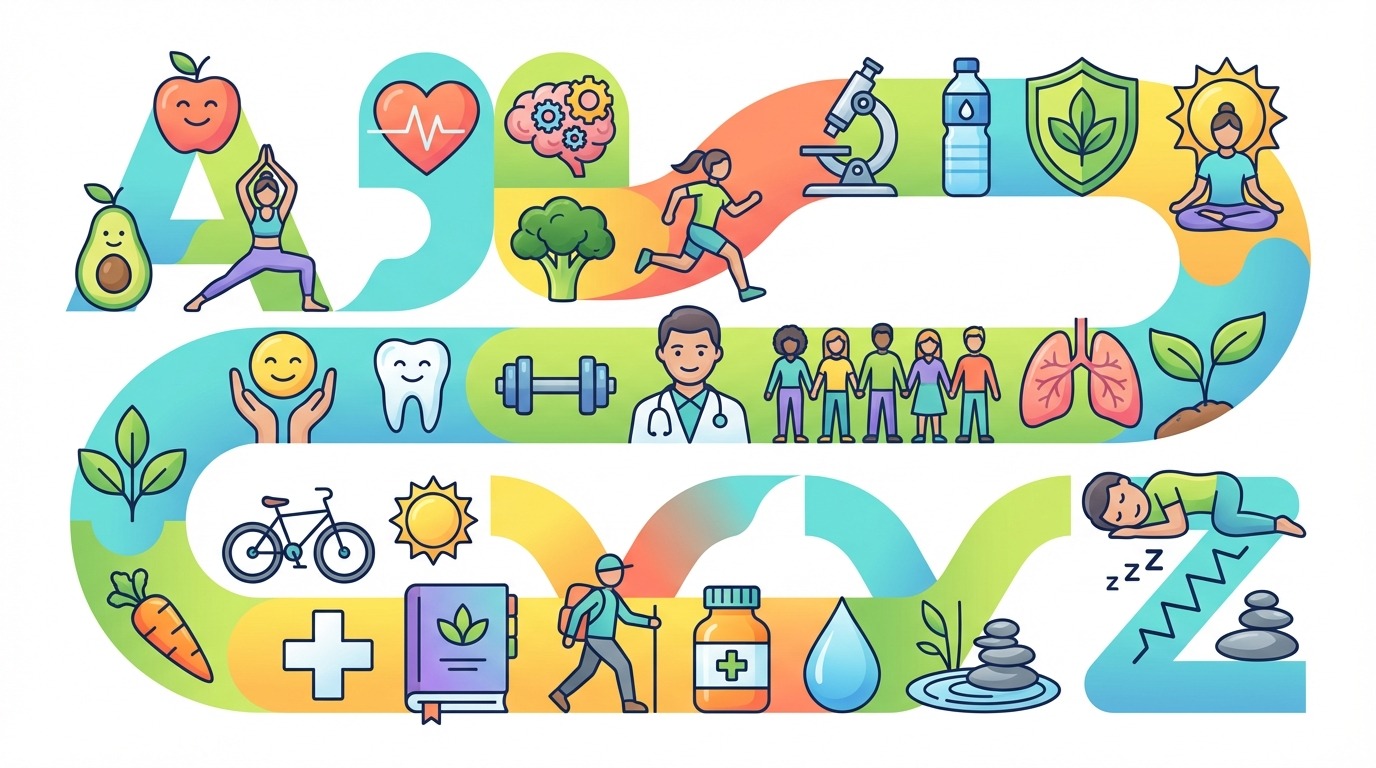
Health AZ: Health index from A to Z.
From A to Z, health reads like a living index where each entry illuminates a concrete reality: prevention, detection, treatment, and support. The challenge is not only medical. It involves well-being, hygiene, nutrition, prevention, and informed choice of care. In 2026, everyone wants to understand their symptoms, access a reliable diagnosis, then choose an appropriate treatment without getting lost in jargon. This is precisely the ambition of this Santé AZ index: to connect words to actions, subtle signals to useful decisions, and transform information into the power to act.
Practically, this involves clear navigation among diseases, practical landmarks about the hospital, family guides during pregnancy or childhood, and wellness routines that strengthen prevention. Thousands of families, like Lina and Nassim’s, seek brief answers and reliable deeper insights. Thus, this guide highlights important actions, reassuring care pathways, and links to verified resources. With examples, typical cases, and advice, each reader finds their path to better understood and better protected health.
| Little time? Here’s the essentials ⏱️ |
|---|
| 🔎 Spot symptoms early and note their context (duration, intensity, triggering factors). |
| 🧪 The diagnosis relies on clinical examination, targeted tests, and health history. |
| 🛡️ Prevention: sleep, activity, hand hygiene, air quality, vaccination, screening. |
| 🥗 Nutrition influences immunity, blood sugar, and the heart; prioritize minimally processed foods. |
| 🏥 Clear care pathway: orientation, exams, treatment, follow-up, therapeutic education. |
| 👶 Pregnancy and child: monitor discharges, infections, growth; seek advice promptly if in doubt. |
| 🌬️ Hygiene and healthy indoor air reduce colds, asthma, and conjunctivitis. |
| 📚 Santé AZ: a useful index to move from info to action, from risk to solution ✅ |
Health AZ: from symptoms to diagnosis, the practical index of common diseases
The Santé AZ index gathers common diseases and key conditions, from acne to shingles. It places symptoms, diagnosis, and treatment face to face to guide rapid decision-making. This approach reduces uncertainty and avoids risky self-medication. It values prevention and daily vigilance.
Spotting signals: when to worry and how to describe
Good detection starts with a precise description: where, when, how. For example, chest pain with shortness of breath should alert more than brief discomfort after exertion. Conversely, mild fever in a child returning from daycare is observed but does not cause panic. The goal is to distinguish urgent from monitored.
The method is simple: note start time, duration, triggering factors, and effective or ineffective actions. For example, during an asthma attack, does using the bronchodilator improve breathing out? During a migraine, does light worsen the pain? This log guides the practitioner and speeds up the examination.
From first exam to useful tests
The doctor starts with the anamnesis, then clinical exam. Next, targeted complementary exams. A sore throat requires a quick test; a stroke suspicion demands urgent imaging; a urinary infection is confirmed by dipstick then analysis. This progression avoids unnecessary exams and secures care.
Example: Nassim, 9 years old, has a nocturnal wheezing cough. Auscultation finds wheezes; the breath test confirms bronchial hyperreactivity. A written action plan is proposed, with education on inhaler use. Follow-up is scheduled to adjust the treatment.
Preventing to lighten care pathways
Prevention reduces complications and emergency cases. Hand hygiene, ventilation, vaccination, regular sleep, and physical activity lower the risk of infections and inflammatory episodes. Simple, repeated routines produce notable effects on overall well-being.
In adults, quitting smoking, fiber-rich diet, and stress management protect heart and brain. In children, healthy indoor air and allergen control reduce asthma and conjunctivitis. Each action builds a more robust foundation. Ultimately, the index becomes a daily action plan.
In summary, the Santé AZ index structures attention, from observable sign to useful action, transforming doubt into a clear path.
Medicine and care pathways A→Z: from diagnosis to treatment, step by step
When a diagnosis becomes clear, the care pathway organizes. It combines clinical expertise, informed consent, and scheduled follow-up. The goal is to offer an effective treatment while preserving quality of life. A clear thread reassures families and supports therapeutic adherence.
Before the hospital: preparing mind and body
Before an intervention, a preoperative assessment evaluates risks and benefits. Explanations about anesthesia, pain, and resuming activities reduce anxiety. An informed child cooperates better on D-day. Teams distribute sheets, show equipment, and present the room. This transparency strengthens trust.
In chronic diseases, the pre-therapeutic phase includes education: use of an inhaler, glucometer, blood pressure monitor. Guided practice improves safety at home. Families gain autonomy while having contact in case of alert.
D-Day: understanding the process to recover better
On the day of the medical act, each step follows a protocol. Reception, checklist, technical act, close monitoring: everything is sequenced. In the room, the team explains the remaining time, position, and possible sensations. This communication calms, including adolescent patients.
After the procedure, pain management adapts continuously. Progressive mobilization, sufficient hydration, and deep breathing are encouraged. These habits reduce complications and speed return to normal.
To anchor the information, an educational video often supports oral explanations. Watched with family, it encourages good questions and clarifies expectations. This multimodal repetition strengthens memorization and trust.
Back home: monitoring and gradual resumptions
Post-operative follow-up relies on signs to watch for: persistent fever, unrelieved pain, unusual bleeding, extensive redness. A phone number is always on the discharge plan. Appointments space out resuming activities, including sports, according to healing and regained energy.
In long-term pathologies, telemonitoring and therapeutic education workshops consolidate autonomy. Dosages are adjusted, technique revised, progress celebrated. If needed, the pathway opens to rehabilitation, psychological support, and town–hospital coordination. The goal remains the same: treat without isolating, and support without burdening.
At the end of the pathway, the patient knows what to do, when to ask for help, and how to resume their projects. It is the best compass to move forward.

Well-being, hygiene, and prevention: routines that protect the whole family
Prevention is written daily. It is anchored in simple gestures that reduce infectious diseases, soothe inflammation, and support immunity. A healthy living environment does not replace medicine, but prepares a more resistant ground. It is a winning strategy for all ages.
Indoor air, hygiene, and sleep: the protective trio
Air quality influences respiratory health. Ventilate, limit indoor scents, and monitor humidity to reduce coughs and conjunctivitis. To go further, explore this guide on air quality and respiratory health 🌬️. Hand hygiene remains the most effective barrier against seasonal viruses. Finally, regular sleep supports mood and the immune system.
Nutrition and movement: just the right energy
Nutrition rich in fiber, legumes, fruits, vegetables, and omega-3 supports the microbiota and blood sugar. Homemade cooking reduces hidden salt and added sugars. In movement, 150 minutes weekly of moderate activity and active breaks protect heart and mind.
- 🥦 Prioritize minimally processed and colorful foods.
- 🚶 Move often, even 10 minutes at a time.
- 💧 Drink water rather than sugary drinks.
- 🧂 Reduce salt by tasting before seasoning.
- 📅 Schedule meals to avoid snacking.
Pregnancy: screenings and calm vigilance
Pregnancy requires rigorous and soothing monitoring. Urine tests detect anomalies early, useful for mother and baby. To better understand these exams, consult this dossier on pregnancy monitoring and urine analysis 🧪. Proteinuria, for example, sometimes signals a complication requiring rapid evaluation: more explanations here on proteinuria during pregnancy.
Certain symptoms call for immediate consultation. Bleeding during pregnancy or persistent yellowish discharges must be evaluated. Better a reassuring check than prolonged doubt. Prevention also relies on clear information.
Across the board, the Santé AZ index recommends simple routines: clean hands, clean air, lively diet, and listening to one’s body. These repeated pillars create an effective shield.
Mom & Child Index from A to Z: from allergy to shingles, act quickly and well
From infant to adolescent, needs evolve quickly. The Santé AZ index groups common conditions: allergies, bronchiolitis, otitis, eczema, conjunctivitis, gastroenteritis, but also speech disorders or learning difficulties. The goal is to guide families towards the right action, neither insufficient nor excessive.
Pregnancy and postpartum: what you need to know
Certain thyroid disorders influence pregnancy and require adjusted monitoring. A comprehensive summary is offered on thyroid disorders during pregnancy 🦋. Furthermore, placental anomalies or insertion modify delivery. This overview on placenta-related risks at birth helps anticipate calmly.
When a medical termination of pregnancy is discussed, teams support each step, from listening to psychological support. To understand the framework and modalities, this guide on medical termination of pregnancy sheds light on difficult decisions. Accurate information soothes and enables progress.
Childhood: early detection and concrete leads
In children, early detection of auditory, visual, language, or attention disorders changes school and social trajectory. Signs like persistent stuttering, difficulty discriminating sounds, or recurrent food intolerance open the door to multidisciplinary evaluation. Acting early improves recovery chances.
Acute illnesses are managed methodically. Well-tolerated fever is monitored; dehydration requires fractional oral rehydration; respiratory distress prompts rapid consultation. Parents gain confidence when equipped with a clear plan shared with their doctor.
Case study: Lina and Nassim, a typical week
Monday, Lina notices a wheezing cough in Nassim. She ventilates the room, administers prescribed treatment, and consults if discomfort persists. Wednesday, eye redness appears after leaving the park; saline wash, monitoring, and screen breaks. Friday, a fiber-rich menu and outdoor play: breathing eases and energy returns.
This ordinary story illustrates the strength of routines. When hygiene, prevention, and reliable information converge, family health gains stability. The index then becomes more a companion than a glossary.
Nutrition A–Z and chronic diseases: diabetes, obesity, heart, a trio to rebalance
Nutrition directly influences blood sugar, blood pressure, lipids, and inflammation. Long-term, it modifies the risk of cardiovascular diseases, the leading cause of death worldwide. Adjusting the plate is not renouncing: it’s choosing the right energy at the right time, with pleasure and consistency.
Diabetes: building a plate that stabilizes
A structured meal combines fiber, quality proteins, and complex carbohydrates. Legumes, whole grains, and colorful vegetables slow sugar absorption. Snacks become useful if they avoid glycemic spikes. The key remains regularity and understanding portions.
Glycemic monitoring guides adjustments. Effects of jogging, short nights, or intense stress are observed. Gradually, everyone builds their dashboard. A health educator supports this detailed work and prevents discouragement.
Obesity and heart: move more, without injury
Progressive movement protects joints. Brisk walking, gentle cycling, and swimming provide a safe cardio effort. Light strengthening sessions stabilize back and knees. Step by step, metabolism awakens and fatigue recedes.
Blood pressure benefits from less salt and potassium intake via fruits and vegetables. Omega-3s support the heart, while reducing alcohol lowers blood pressure. Each small victory feeds the next, and momentum lasts.
A well-chosen video resource helps translate theory into shopping, recipes, and sports routines. Watch, test, adapt. The important thing is not perfection, but persistence.
Ultimately, a well-thought nutritional trajectory becomes a background treatment. It complements medicine and reduces medication load when confirmed by the doctor. It is a sustainable investment in daily well-being.
{“@context”:”https://schema.org”,”@type”:”FAQPage”,”mainEntity”:[{“@type”:”Question”,”name”:”Quels symptu00f4mes imposent de consulter en urgence ?”,”acceptedAnswer”:{“@type”:”Answer”,”text”:”Toute douleur thoracique intense, un du00e9ficit neurologique soudain (paralysie, trouble de la parole), une du00e9tresse respiratoire, une fiu00e8vre u00e9levu00e9e mal tolu00e9ru00e9e chez un nourrisson, ou un saignement abondant nu00e9cessitent une prise en charge immu00e9diate. Mieux vaut appeler les secours que tarder.”}},{“@type”:”Question”,”name”:”Comment du00e9crire utilement ses symptu00f4mes au mu00e9decin ?”,”acceptedAnswer”:{“@type”:”Answer”,”text”:”Pru00e9cisez le du00e9but, la duru00e9e, lu2019intensitu00e9, les facteurs du00e9clenchants, ce qui amu00e9liore ou aggrave, et vos traitements en cours. Notez 2u20133 exemples concrets vu00e9cus dans la semaine. Cette pru00e9cision accu00e9lu00e8re le diagnostic et u00e9vite des examens superflus.”}},{“@type”:”Question”,”name”:”Quelles prioritu00e9s de pru00e9vention au quotidien ?”,”acceptedAnswer”:{“@type”:”Answer”,”text”:”Hygiu00e8ne des mains, au00e9ration, vaccination u00e0 jour, sommeil ru00e9gulier, activitu00e9 physique, alimentation peu transformu00e9e, et gestion du stress. Ces piliers simples ru00e9duisent infections, inflammation et risques cardio-mu00e9taboliques.”}},{“@type”:”Question”,”name”:”Grossesse: quels signaux doivent alerter ?”,”acceptedAnswer”:{“@type”:”Answer”,”text”:”Des pertes de sang, des pertes jaunu00e2tres persistantes, des douleurs abdominales soudaines, une tension u00e9levu00e9e ou une protu00e9inurie justifient une u00e9valuation rapide. Les examens du2019urines et le suivi obstu00e9trical su00e9curisent la maman et le bu00e9bu00e9.”}},{“@type”:”Question”,”name”:”Air intu00e9rieur: pourquoi est-ce si important pour les enfants ?”,”acceptedAnswer”:{“@type”:”Answer”,”text”:”Un air de bonne qualitu00e9 diminue la toux, lu2019asthme, les conjonctivites et les infections ORL. Ventilez, chassez lu2019humiditu00e9, limitez les parfums du2019intu00e9rieur et fumez u00e0 lu2019extu00e9rieur. Des capteurs du2019air peuvent aider u00e0 suivre lu2019u00e9volution.”}}]}What symptoms require urgent consultation?
Any intense chest pain, sudden neurological deficit (paralysis, speech disturbance), respiratory distress, high fever poorly tolerated in an infant, or profuse bleeding require immediate care. It’s better to call emergency services than delay.
How to effectively describe your symptoms to the doctor?
Specify the onset, duration, intensity, triggering factors, what improves or worsens, and your current treatments. Note 2–3 specific examples experienced during the week. This precision speeds diagnosis and avoids unnecessary tests.
What are the prevention priorities daily?
Hand hygiene, ventilation, up-to-date vaccination, regular sleep, physical activity, minimally processed diet, and stress management. These simple pillars reduce infections, inflammation, and cardio-metabolic risks.
Pregnancy: which signs should alert?
Bleeding, persistent yellowish discharges, sudden abdominal pain, high blood pressure, or proteinuria justify rapid evaluation. Urine tests and obstetrical monitoring ensure the safety of mother and baby.
Indoor air: why is it so important for children?
Good quality air reduces cough, asthma, conjunctivitis, and ENT infections. Ventilate, eliminate humidity, limit indoor perfumes, and smoke outside. Air quality sensors can help monitor changes.
“From A to Z, health is not a dictionary: it’s a user guide for better living, today.” ✨