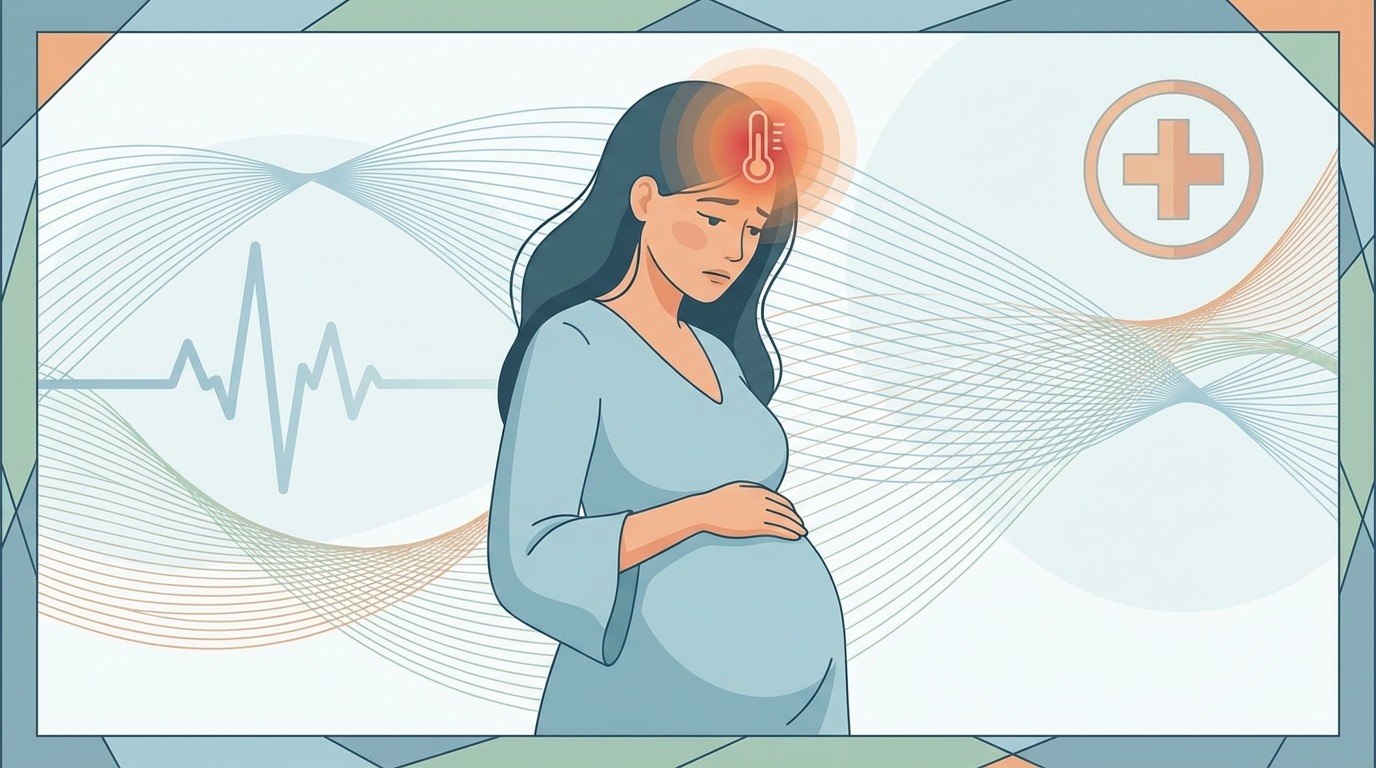
Fever Pregnancy Alarm: Fever during pregnancy: a warning sign.
A fever during pregnancy is never a minor detail. This warning signal reminds us that the body is fighting against an infection or inflammation, and that the fetus can also be exposed. From the first symptoms, a structured response makes the difference: measure the body temperature, stay hydrated, and schedule a medical consultation at the slightest doubt. This vigilance is not anxiety-provoking; it is strategic. Clinical data show that an uncontrolled fever spike increases the risk of maternal-fetal complications, especially in the first trimester, but also later, when prenatal monitoring becomes central. The aim is not to dramatize. It is about providing tools.
In maternity wards, the same common thread emerges: better an early alert than a delayed evaluation. Teams observe recurring scenarios. Poorly managed flu leads to dehydration. A neglected urinary infection climbs up to the kidney. Listeriosis mistaken for a simple stomach flu causes a threat of premature delivery. Yet, simple actions, clear markers, and a fast chain of action limit the damage. This page provides a ready-to-use framework, concrete examples, and useful links to deepen related topics such as bleeding by trimester or amniotic fluid loss. The key is a winning equation: less stress, more control, and a protected baby.
| Short on time? Here’s the essentials ⏱️ |
|---|
| Fever = alarm 🚨: above 38°C, call your midwife or doctor. |
| Reliable thermometer 🌡️: check body temperature every 4 hours. |
| Hydration 💧: small frequent amounts; look for clear urine. |
| Paracetamol ✅: reference analgesic; avoid ibuprofen without advice. |
| Associated symptoms 🔎: cough, urinary burning, rash, pelvic pain = consult. |
| Prenatal monitoring 👶: normal fetal movements and monitored heart rate. |
| Prevention 🛡️: handwashing, vaccines, cooking risky foods properly. |
Fever during pregnancy: understanding the alarm signal and its stakes
Fever is a defense mechanism. During pregnancy, this mechanism becomes doubly strategic, as it can reveal an infection whose outcome affects both mother and child. The challenge is to quickly identify the cause, assess its risk, then engage a proportionate response. This triptych limits complications and reassures the family.
Why talk about an alarm rather than a trivial incident? Because a high body temperature disrupts maternal physiology. The heart speeds up, water needs increase, and energy reserves deplete faster. In the fetus, prolonged fever can affect heart rate. Prenatal monitoring then becomes a compass.
Consider Lina, 28 years old, 17 weeks of amenorrhea. Chills, 38.5°C, body aches. She thinks it’s a simple cold. She measures, notes, hydrates, then contacts her maternity ward. The examination points to a seasonal flu. With appropriate treatment and close monitoring, the episode resolves in 48 hours. Without this reflex, dehydration could have set in. The story shows that quick action changes the trajectory.
Common causes are viral (flu, COVID-19, RSV), bacterial (urinary infections, listeriosis, streptococcus), and more rarely parasitic (toxoplasmosis). Each manifests differently. The clinic guides, but targeted tests confirm. The urine culture detects a urinary infection. PCR guides for respiratory viruses. Serologies sometimes complement the analysis.
The term “alarm signal” does not mean panic. It imposes a clear operating order: taking body temperature, identifying associated symptoms, deciding on a medical consultation. The obstetric evaluation also assesses the cervix, contractions, and fetal movements. This double reading, medical and obstetric, makes the care robust.
Finally, the environment matters. A household with young children increases exposure to viruses. Vaccination prevention then plays a major role. For respiratory protection, the whooping cough booster has proven its worth; a clear guide is offered here: getting vaccinated against whooping cough during pregnancy. When the alarm sounds, the plan must already be ready.

Identify symptoms, measure body temperature, and decide to act
Rapid identification of symptoms guides diagnosis. A cough with shortness of breath suggests a respiratory involvement. Burning during urination points to urinary involvement. Pelvic pain or unusual discharge calls for urgent obstetric evaluation. The body speaks; it must be listened to methodically.
Measuring body temperature is not a technical detail. It guides decisions. A reliable thermometer, ideally electronic, avoids errors. Axillary measurement may underestimate. Oral or tympanic routes offer more precision. For those curious about tools, a useful overview exists for families: choosing a reliable thermometer. The logic remains the same for the pregnant adult: reliability first.
When to consult? Three clear markers reassure. First, any fever above 38°C persisting for more than 24 hours. Next, any worrying associated sign: contractions, fluid loss, bleeding, uncontrollable vomiting. Finally, any fragile condition: asthma, diabetes, twin pregnancy, or history of premature delivery. In these cases, medical consultation must be prompt.
Symptomatic treatment begins simply. Paracetamol according to the valid dose. Fractionated drinks. Rest. Monitoring urine and color. Avoid anti-inflammatories without specialized advice. In case of suspected bacterial cause, a pregnancy-compatible antibiotic will be proposed after samples. The strategy aims for the right dose at the right time.
Common mistakes must be avoided. Waiting for “it to pass” is harmful. Multiplying unproven remedies exposes to interactions. Masking fever without searching for the cause delays diagnosis. Better an early call and clear guidance than two nights of wandering.
Checklist to act upon at first chills
To stay on course, a short operational list supports decision-making. These steps strengthen autonomy while fostering connection with the care team. Each point reduces uncertainty and speeds up care.
- 🌡️ Take temperature and note the time.
- 🧭 Describe 3 major symptoms in one line each.
- 📞 Call maternity if > 38°C, pelvic pain, or unusual fetal movements.
- 💧 Drink 2-3 sips every 10 minutes until urine is clear.
- 🧻 Check losses: blood, amniotic fluid loss, unusual appearance.
This discipline does not remove compassion. It materializes it. A clear plan relieves anxiety and protects the mother-child dyad.
Decisions are more serene when based on stable markers. In the next section, major families of infection will be examined to anticipate potential complications and adjust vigilance.
Infections in pregnancy and risk of complications: from trivial to serious
Not all fevers are equal. A seasonal viral infection does not have the same risk profile as listeriosis. Clinical orientation relies on typical patterns. Respiratory tracts produce cough, runny nose, muscle aches. The urinary tract causes burning, frequent urination, back pain if pyelonephritis develops. Digestive infections bring nausea, diarrhea, sometimes painful abdominal cramps.
Listeriosis illustrates the trap. Sometimes it mimics a stomach bug. Yet, exposure through risky foods makes it formidable. Fever, chills, diffuse pain, and sometimes headaches. Without treatment, the bacteria can reach the placenta. Hence the importance of strict food hygiene and sufficient cooking. Cold meats and raw milk cheeses must be avoided.
Urinary infections require heightened vigilance. Pregnancy favors urinary stasis. A cystitis can thus evolve faster into pyelonephritis. Fever then appears with back pain and chills. An urgent urine culture is essential. Appropriate treatment protects mother and baby. Without care, the risk of premature delivery increases.
On the respiratory side, flu remains a classic. Fever, body aches, dry cough, great fatigue. The flu vaccine reduces severe forms. In the same shield spirit, late maternal whooping cough can threaten the newborn. A detailed resource illuminates this topic: whooping cough vaccination during pregnancy. When the barrier is set, the transmission chain breaks.
Let’s now talk about the first trimester. Fever at this time worries because organogenesis is underway. Data suggest that an untreated severe infection can increase some adverse outcomes. In case of losses and pain, a quick check with the team is essential. On this sensitive ground, complementary reading can help: early miscarriage warning signs. Prevention is always better than cure.
The guiding thread remains constant: identify early, treat properly, and monitor. The alarm must neither be downplayed nor amplified without reason. Clinic, exams, then therapeutic response chart a safe course. The following section details how to organize prenatal monitoring to stay on track.
Faced with the complexity of infectious patterns, a follow-up strategy provides structure and serenity. Now to the how, from home to emergency services.
Prenatal monitoring and conduct to be observed: from home to medical consultation
Prenatal monitoring is the backbone of safety. At home, it starts with self-observation: temperature, hydration, baby movements, pain intensity. In maternity, it continues with fetal heart rate monitoring, clinical exam, and targeted tests. Coherence between these levels is the strength of the system.
A typical case illustrates the method. At 30 weeks, Nora feels 38.3°C, chills, and back pain. She follows her checklist, drinks, takes paracetamol, then calls. At the hospital, a urine test confirms pyelonephritis. A pregnancy-compatible antibiotic is started. The fetal heart rate remains reactive. After 48 hours, fever falls. Follow-up continues in the community. Without this smooth relay, complications could have multiplied.
What signs demand immediate evaluation? Three alarm families predominate: fetal, obstetric, infectious. On the fetal side, a drop or absence of movements worries. Obstetricly, bleeding or amniotic fluid loss requires urgent evaluation. On the infectious side, intense chills, back pain, shortness of breath, or widespread rash must trigger the call.
Going through emergency does not necessarily mean hospitalization. It allows ruling out high risk scenarios, adjusting therapy, and scheduling close follow-up. Discharge is accompanied by clear indicators: target temperature, alert thresholds, number to call back, and follow-up appointment. This clarity reinforces autonomy.
Practical action plan for effective monitoring
A written plan supports memory when emotions rise. It gathers concrete steps, thresholds, and contacts. This tool fits into the pregnancy record. It is revised at each medical consultation.
- 📝 Record time, body temperature, pain, hydration.
- 👂 Count fetal movements after meals; note any decrease.
- 🧪 Arrange a urine culture if burning urination; do not delay.
- 🚑 Call if 39°C persists, unusual bleeding, or regular contractions.
- 📆 Schedule a check-up within 24-48 hours after any significant febrile episode.
This method integrates without rigidity. It frames, reassures, and protects. Prevention completes the picture and reduces the chance of a new alarm.
Preventing fever during pregnancy: hygiene, vaccines, and lifestyle
Prevention alters the probability of alert. Thorough handwashing reduces viral transmission. Careful cooking limits foodborne bacteria. Recommended vaccines protect against severe forms. Together, these gestures form an effective and accessible shield.
In daily life, some simple markers guide. Air out the home fifteen minutes a day. Avoid sharing cutlery. Cook meats and fish carefully. Wash fruits and vegetables. Reheat leftovers above 70°C. These habits preserve the health of the entire family.
The vaccination schedule should be discussed with the team. Flu and whooping cough boosters are pillars. They reduce severe forms in the mother and protect the infant after birth. The topic is detailed here: whooping cough booster during pregnancy. This choice represents an alarm neutralized before it even rings.
Lifestyle also counts. Regular sleep, protein- and fiber-rich diet, sustained hydration, and gentle physical activity stimulate immunity. A daily walk, some stretches, and relaxation time reduce oxidative stress. The body responds better when not exhausted.
At 41 years old, a future mother may have other challenges. Adaptations then refine. A guide can help frame specifics: pregnancy after 40 years. Preventive measures remain the same, but the vigilance window narrows. Anticipating means gaining serenity.
Finally, respecting physical changes over trimesters and observing breast changes help detect what is normal or not. An intimate knowledge of the body opens the way to quick and enlightened decisions. When routine is solid, the exception jumps out.
Prevention frees mental space for the essential: the bond with the baby. This clarity turns into useful reflexes the day the alarm sounds.
Fever and pregnancy: from what temperature to alarm?
As soon as 38°C confirmed by a reliable thermometer, the response must be structured: hydration, paracetamol if indicated, and calling the team. At 39°C or in case of intense chills, a rapid consultation is required.
What medications are recommended as first-line?
Paracetamol is the reference analgesic-antipyretic. Non-steroidal anti-inflammatory drugs should be avoided without specialized advice, especially in the 3rd trimester. A compatible antibiotic can be prescribed if a bacterial infection is confirmed.
When should I go directly to obstetric emergency?
If the fever persists beyond 24 hours, if it is accompanied by back pain, regular contractions, fluid loss, bleeding, or decrease of fetal movements, the emergency room is indicated.
Does fever in the first trimester increase the risk of miscarriage?
A severe untreated infection can increase some risks. Early detection and appropriate management limit these outcomes. In case of pain and losses, a quick check with the team is essential.
How to avoid foodborne infections during pregnancy?
Properly cook meats and fish, avoid raw milk cheeses, wash fruits and vegetables, and respect the cold chain. These actions limit the risk of listeriosis and protect pregnancy.
“When fever knocks at the door, clear action opens the safest path for mother and child.” 🔔