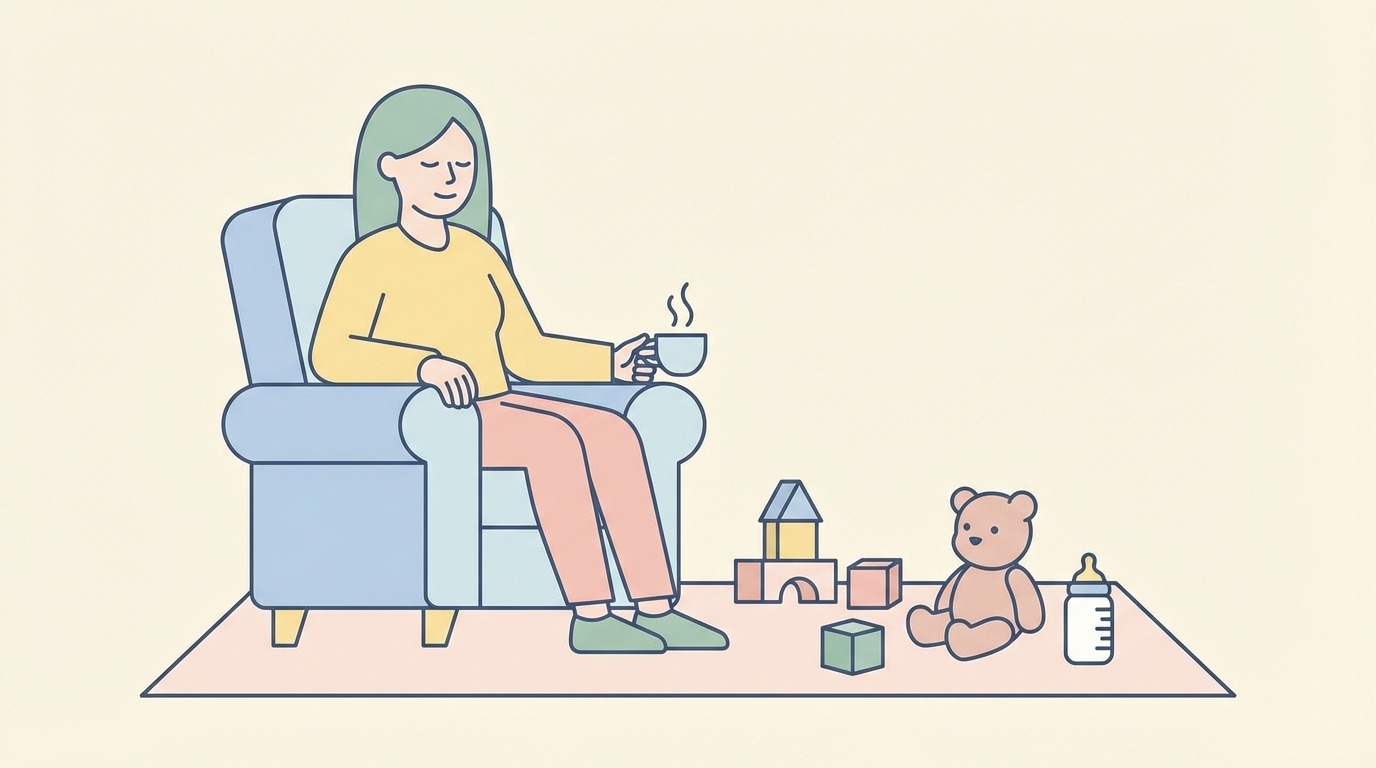
Thinking of Me: Chronicle: thinking of me, a lost reflex.
Relearning to think of myself is not a whim, but a societal choice. Between fragmented schedules, relentless messaging, and injunctions to “hold on,” many have let slip this lost reflex that once protected the soul and body. Yet, in 2026, data converges: mental overload spares no one, and mental balance becomes a public health issue. The topic goes beyond wellness trends. It questions meaning, the boundary between care and over-adaptation, the place given to self-reflection in ultra-connected lives.
This dossier offers a clear and demanding path. It relies on proven methods of introspection, self-care, and daily practice, but also on concrete scenes of family and educational team life. The stated objective: to transform guilt into a compass and fatigue into a useful alarm signal. At stake, a finer self-awareness, better-defined limits, and a dynamic of personal development that nourishes the couple, work, and parenting. Underlying it all, a simple conviction: loving oneself with rigor increases the quality of connections to others.
| Short on time? Here’s the essentials 💡 |
|---|
| Name your needs each morning in 3 key words 🗝️ |
| Plan pleasure like a non-negotiable appointment 🎯 |
| Body micro-breaks x3 per day to boost energy 🧘♀️ |
| Say no without drama by linking refusal and protective value 🛡️ |
| Unplug 30 min before bedtime to soothe the mind 🌙 |
Thinking of Myself: understanding the lost reflex and its social roots
The decline of the reflex to choose oneself first does not come from nowhere. In families as well as on the ground teams, a culture of absolute dedication values self-effacement. This logic has short-term benefits as it resolves emergency situations. However, it weakens people over time, eroding self-awareness and access to basic needs. The paradox is obvious: the more one gives without regenerating, the less the help remains quality.
The mechanism feeds on subtle habits. First, information overload that saturates attention and extinguishes self-reflection. Next, the ideology of performance that makes any pause suspect. Finally, several family narratives rooted from childhood: “others first,” “hold on, always,” “don’t cause trouble.” These beliefs shape a relational style where one apologizes for existing. Yet, the price paid is seen in fragmented sleep, sudden irritabilities, diffuse somatizations.
Let’s illustrate directly. Lina manages two children, a shift schedule, and an elderly parent. She gets busy early, worries late, then forgets herself in between. She postpones lunch, replaces her walk with sorting papers, and never says no. The result is predictable: she no longer hears her hunger nor her sadness. Her body demands, but the mind cuts the microphone. This disconnection exhausts. It increases the risk of error and strains the dearest bonds.
Thinking of oneself then becomes an intimate political gesture. It reshuffles the cards of a collective that sometimes benefits from limitless giving. It’s not about rejecting altruism but embedding it in a cycle where the person truly replenishes themselves. Current research confirms what experience already knew: systems that endure rely on rhythms. Without alternation between care for others and self-care, giving fades.
Vocabulary also influences attitude. Replacing “selfishness” with “personal ecology” changes everything. We move from judgment to resource management. We leave shame behind to join responsibility. This lexical shift acts on the social brain: it allows room for maneuver and defuses fear of disappointing. This is the first step toward a realistic and daily practice.
At heart, this lost reflex only awaits reactivation. It is enough to reconnect with simple, visible, and repeated gestures. The following sections offer an accessible and adaptable protocol to inscribe it into the week without surrendering to reality.
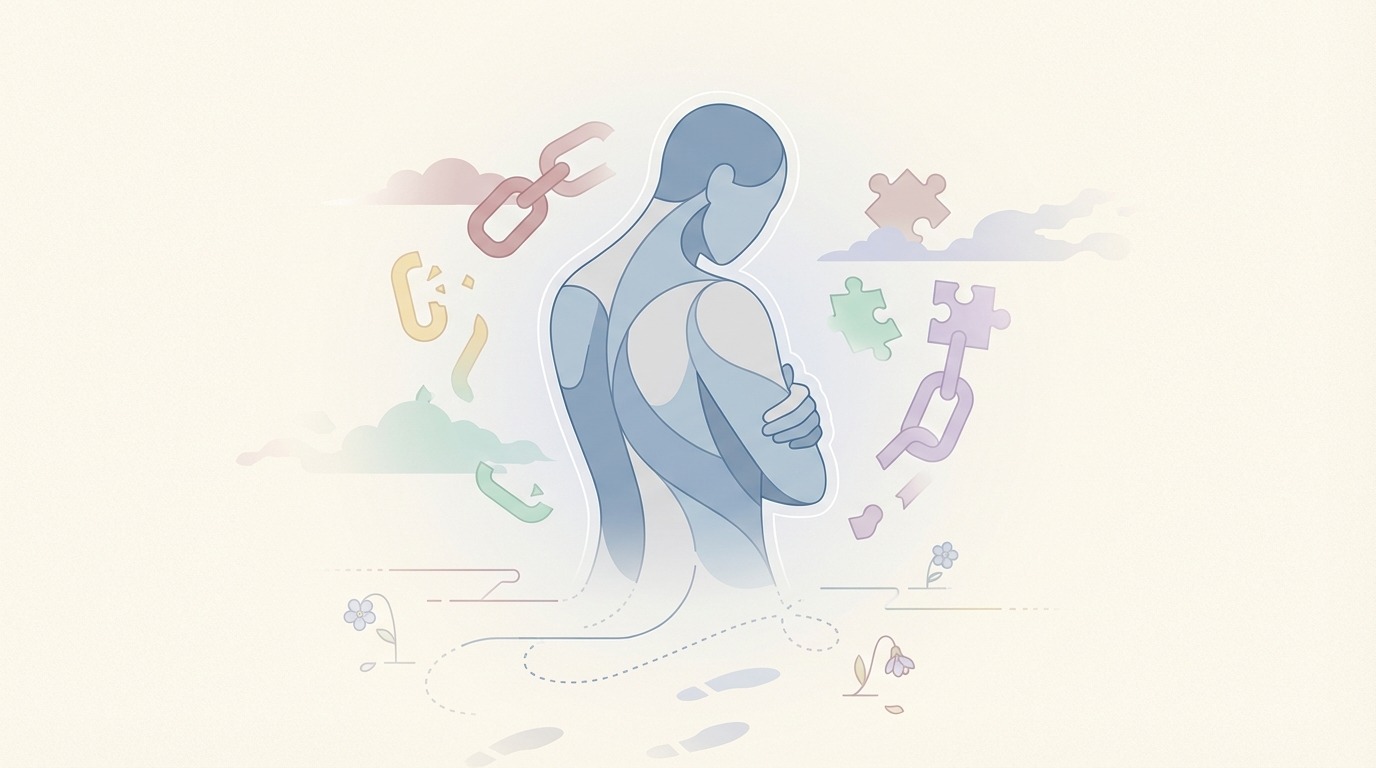
Relearning self-reflection: concrete methods and daily practices
The return to self-reflection is not improvised; it is trained. An effective approach follows a clear sequence: listen to the body, clarify emotions, name needs, reconnect with values, neutralize the inner judge, then commit aloud. This logic hands power back to the person and helps decide quickly, without betraying oneself.
Listen to decide better
The body speaks first. A quick 90-second scan suffices. Where are the tensions today? Which sensation dominates: fatigue, agitation, hunger, need for movement? Writing three words in a notebook makes the experience tangible. This small ritual brings introspection to the level of an agenda. It creates a fixed point in the middle of the day.
Give values a place
Next, values. Writing them once a quarter brings massive clarity. If “creativity” leads, it must also appear in the calendar. Ten daily minutes may suffice to sketch, tinker, garden, or sing. When time is lacking, the intention remains: a micro-ritual is better than silent frustration.
Tame the inner predator
Then comes the sabotaging voice. It whispers: “You don’t have the right.” A simple antidote is to grant explicit permissions. “I allow myself to rest.” “I give myself permission to politely refuse.” This language reeducates the critical part. It draws a clear boundary between requirement and self-mistreatment.
- ✅ Each morning, give yourself a clear permission 🗣️
- 🧭 Link every decision to a protective or nourishing value
- 🧘 Make a 90-second body scan before any important choice
- 📓 Note 3 needs of the day and 1 concrete way to meet them
- 🛑 Identify a critical thought and challenge it with a fact
- 🤝 Share your commitment with a supportive ally
To nourish the senses without overloading, a comforting snack shared with children can serve as a break. A simple and gentle idea is in this recipe for soft apple cookies. A gourmet pause then becomes a well-being landmark for all.
The above video illustrates a short and effective protocol. Yet, the key remains repetition. Three short appointments are better than one long isolated session. It’s the rhythm that reactivates the lost reflex, not the one-off feat.
Self-care without guilt: protecting mental balance daily
Self-care suffers from an ambiguous reputation. Many associate it with spending or luxury. In reality, it is mental hygiene. It gathers micro-gestures that prevent wear. Saying no to one more task, walking ten minutes, silence before a whirlwind of emails—that’s the mechanism. The intention is not to withdraw from the world, but to remain within it with greater accuracy.
A protocol in three axes works well. First, energy: sleep, hydration, regular meals. Next, attention: sensory breaks, breathing, limiting notifications in clusters. Finally, meaning: a clear compass, even modest, supports mental balance. Without a compass, everything weighs heavier. With one, renunciations are better understood.
Guilt diminishes when it becomes comparative. What is fifteen minutes of nap worth against three hours of impatience? The calculation is necessary. A rested brain generates better decisions. Bonds tighten when the person arrives less scattered. Relational quality increases as soon as essential needs are honored.
A list of ultra-simple actions helps keep the line.
- ⏰ Schedule two 3-minute micro-breaks morning and afternoon.
- 🚶 Go outside for at least 10 minutes every day.
- 📵 Group notifications into periods and turn off the rest.
- 📝 Write the day’s single priority, then circle it.
- 🍽️ Prepare a simple snack before risky snacking moments.
- 🛌 Turn off screens 30 minutes before bedtime.
At the heart of the home, daily choices contribute to the emotional climate. A useful article to adjust toddlers’ eating habits, without rigidity, offers a calm framework about sugar: see sugar in toddlers. Adjusting the environment helps everyone breathe better, and tension lowers even before it rises.
Finally, allowing “useless time” protects creativity. Reading three pages, observing the light, listening to a full song. These tiny gestures reconnect pleasure to the present. They nourish the joy of acting, rather than just the obligation to act. Over time, the person regains real margin. They start choosing themselves naturally again.
Self-awareness and transmission: from cradle to active life
Self-awareness is not born by chance. It roots in early sensory experiences and benevolent mirrors. A baby touched with respect learns they have an outline. This evidence later grounds the ability to say yes and no. Caring gestures become a language. They say “you exist, and you deserve attention.”
In care settings, this reality is observed daily. A calm diaper change, a quiet bath, a repeated lullaby: so many anchors that reassure. To deepen, see this dossier on the development of touch in babies. This sensory thread guides the child toward healthy self-regulation. It prepares, years later, the ability to listen to oneself without panic.
Social reflection also plays a role. When the adult respects themselves, the child copies. They grasp that the other has an inner life. They integrate the simple rule: everyone has needs. A step aside, a clear word, a pause become contagious. Families who ritualize Sunday relaxation, for example a family picnic, send a powerful message: collective joy is maintained.
At school, emotional workshops strengthen this foundation. Learning to name anger, disappointment, boredom clears misunderstandings. Trust rises when the child knows what to feel and what to do with that feeling. This post on children’s self-esteem reminds us: we do not raise the ego, we strengthen the base.
Transmitted this way, “thinking of oneself” does not oppose “me” and “we.” It passes through example before verbalization. Adults who grant themselves breaths prevent tensions. Their benevolence lasts longer. Consciously, they prioritize, refuse piling up absurd tasks, and make themselves available differently. Children read this coherence effortlessly.
The suggested video offers ideas applicable from next week. A small detail counts: start with what attracts. Some will prefer a slow walk. Others a playlist. The essential thing is to repeat. This repetition installs a climate and weaves a shared family memory.
When transmission aligns, the person gains freedom. They choose better what they give. They stop apologizing for existing. They regain a simple joy: inhabiting their life in the first person, then sharing it from a full space.
From introspection to action: a 30-day plan to revive the reflex
One month is enough to feel a shift. The principle is simple: each week targets an axis, with two fixed rituals and one free experiment. Regularity takes precedence over scope. When momentum wanes, the goal is reduced, but the chain is not broken. This strategy nourishes self-esteem because it multiplies proofs of commitment to oneself.
Week 1 – The body as compass
Morning ritual: three slow breaths, three words for the day’s state. Evening ritual: two-minute stretches and targeted gratitude. Experiment: a mindful ten-minute walk without a phone. Note the effect on mood and concentration. This foundation aligns the nervous system and reactivates somatic introspection.
Week 2 – Useful limits
Morning ritual: write a permission phrase. Noon ritual: say no to a minor solicitation. Experiment: refuse a non-priority task, explaining the protected value (quality, safety, rest). This framework enhances mental balance because the person stops negotiating their oxygen.
Week 3 – Planned pleasure
Fixed ritual: a weekly appointment with a fully free activity (painting, dancing, reading). Short ritual: three 90-second sensory breaks. Experiment: a “pleasure” meal without performance, inspired by simple and gentle resources already cited. The brain then associates “time for oneself” with a safety signal, not a fault.
Week 4 – Meaning in action
Monday ritual: choose a guiding value for the week. Friday ritual: quick review of aligned decisions. Experiment: delegate a small annoying task. This frees an attention unit for a nourishing project. This translation from symbolic to concrete locks the habit. The lost reflex regains its trace.
This plan remains adaptable. Sometimes fatigue demands shortening. Sometimes enthusiasm pushes to extend. No matter, coherence matters. If a grain of sand arises, keep the minimal thread: a breath, a phrase, a walk. Dignity builds in these tiny but constant gestures.
Critical markers: demystifying selfishness, organizing daily life, preventing exhaustion
The myth of selfishness sticks to the skin of well-being. It fuels the fear of disappointing. To dissolve it, just observe the facts. A regenerated person listens better, gets angry less, and repairs faster. Teams gain fluidity. Children calm down. Couples talk without weapons. Society benefits from less overheated adults. The cared-for “me” serves the “we.”
Organization materializes this vision. Routines are simplified. Friction points are anticipated. In daily care, some tools ease life, such as choosing adapted and gentle products. On this subject, this guide on baby wipes helps reconcile practicality and skin respect. Gestures gain quality, time relaxes, and presence returns.
Personal systems refine themselves through discreet retouches. Tasks are sorted by energy rather than urgency. Similar requests are grouped. Recovery times are made visible. Unrealistic expectations are discussed before they fester. Gradually, self-reflection invites itself into the common agenda. The home becomes a space for cooperation, not an invisible battlefield.
The collective adjusts as soon as a clear language settles. “I need five minutes.” “I’ll be back after having a glass of water.” These very short anchors set a frame without dramatizing. They avoid explosion because they treat tension at the source. Time respects what is protected. The rest adjusts accordingly.
On a lighter note, telling children the “mystery of bellies” can release laughter and questions. An amused chronicle like the mysterious poop de-dramatizes the body and its signals. By ripple effect, it strengthens the family’s somatic listening. Emotional education also advances through humor and self-mockery.
Ultimately, the compass remains clear: make needs visible, give them a place, then act small, but every day. When the world pushes for overflow, the answer is not heroic, it is rhythmic. This rhythm protects the essential and feeds quiet strength.
How to stop feeling guilty when I take time for myself?
Link this time to a protective value (health, patience, safety). Announce it simply, plan it, then measure the positive impact on your loved ones. The brain learns quickly when the benefit becomes visible.
What to do if my surroundings resist my new boundaries?
Anticipate resistance, stay the course, and propose clear alternatives. Explain what you protect and what it improves for everyone. Consistency quickly soothes initial fears.
Where to start if I am already exhausted?
Choose a minimal gesture: breathe for 90 seconds, drink a glass of water, walk 5 minutes. Do it twice a day for a week, without any other goal. Momentum will return.
How to involve my children in this approach without overloading them?
Transform the approach into playful rituals: music breaks, treasure-collecting walks, homemade snacks. Set an example and maintain predictable routines, sources of security.
“Choosing oneself takes nothing from others: it makes giving sustainable and presence radiant.”