Child Safety: Essential Tips to Protect Their Well-Being
| In Short ✅ |
|---|
| 🏠 Strengthening home safety limits falls, burns, poisonings, and drownings. |
| 🚗 Road safety and a stable Baby Stroller are essential during outings. |
| 💬 A strong psychological safety nurtures self-esteem and resilience. |
| 🌐 Online safety combines parental control, digital education, and dialogue. |
| 🤝 A collaborative approach between parents–school–communities sustainably protects children. |
Because every gesture counts, child protection relies on concrete routines, thoughtful choices, and shared vigilance. Recent data present a clear picture: domestic accidents remain numerous, bullying changes face with digital technology, and physical activity sometimes clashes with increasing sedentary behavior. However, pragmatic solutions exist, from home to school, from the street to digital spaces. They depend as much on family organization as on home arrangements, mobility rules, or the quality of adult–child bonding.
This guide adopts a comprehensive approach. It gathers operational benchmarks, inspired by field situations and feedback, to support informed choices. The Martin family, with Lina (4 years) and Naël (9 years), illustrates daily scenes: meals, games, trips, screens, emotions. Through them, recommendations become tangible. The goal is clear: to create an environment where the child feels safe, valued, and ready to explore, while reducing exposure to physical, relational, and digital risks. The brands and resources cited provide examples, never unique prescriptions.
Children’s Safety at Home: Preventing Accidents and Anchoring Healthy Habits
The home concentrates most common dangers. Each year, nearly 350,000 children are involved in domestic accidents in France. Falls, burns, poisonings, and drownings are the main causes. Prevention starts with careful observation of the child’s paths in each room and objects at their height.
Preventing Domestic Accidents Without Hindering Exploration
In the Martin family, Lina loves to climb. Parents install stair gates, fasten tall furniture, and place socket covers. The kitchen is reorganized: cleaning products and medicines are moved up shelves, with a magnetic lock. Water areas are secured. At the bathtub, the rule is simple: never without supervision, even for “two minutes.”
To be more effective, a room-by-room home audit is useful. It relies on a checklist and quarterly verification. This discipline turns vigilance into routine, without unnecessary anxiety. The goal is not to forbid, but to offer a safe framework for exploration.
- 🧯 Install smoke detectors and test batteries each season.
- 🔌 Place socket covers and bundle wires behind a cable cover.
- 🧪 Store cleaning products and medicines up high, with a lock.
- 🛁 Actively supervise any water point, even basins.
- 🧗 Anchor furniture and keep a clear zone around beds.
Sleep and Soothing Rituals
Quality sleep protects attention, mood, and immunity. Regular schedules stabilize the biological clock. When Naël goes to bed late, mood and concentration suffer. Visual markers and a 20-minute routine (soft lights, story, breathing) help him disconnect from screens.
Resources exist to reinforce guidelines. This guide on bedtime delays is useful. Moreover, the “Chaminou” routine offers a playful thread, without overstimulation.
Hygiene, Sensitive Skin, and Daily Gestures
The skin of young children remains fragile. A gentle routine prevents irritations. Dermatological ranges like Mustela or simple accessories (bath thermometer, cotton towel) are suitable. Breathable clothing from Petit Bateau limits excessive sweating. Products should be chosen sparingly and tested on a small area.
Nutrition and Kitchen Autonomy
A balanced diet supports growth and the brain. At the table, the Martin family offers a variety of vegetables, quality proteins, whole grains, and water as the main drink. Biscuit basins go up in the cupboard, fruits come down to the children’s height. Ergonomic bottles from Avent or Dodie facilitate feeding the little ones. Children participate in the market and setting the plates. This approach develops food curiosity and fine motor skills.
For calm times, manual activities channel energy and stimulate creativity. Fisher-Price toys or wooden puzzles promote coordination, while being regularly checked (small parts, wear).
Finally, equipment plays a discreet role. A stable Baby Stroller, with accessible brake, 5-point harness, nocturnal visibility, reassures during outings. Adapted storage (Vertbaudet) keeps fragile objects out of reach. Birth lists at Natalys, and the idea of The Birth Book, help the family choose useful essentials.
Conclusion at this stage: the home becomes a safe exploration ground when prevention is visible, simple, and repeated. The child remains an actor, and the adult guides with kindness.
Children’s Safety Outside: Travel, Playgrounds, and Sport Without Risks
Outside the home, the environment changes quickly. The street, school, parks, and sports clubs require clear, repeated, and embodied rules. When Lina crosses, the adult’s hand, the sharp stop at the curb, and “left-right-left” become a serious game. This ritual anchors protective automatisms.
On the Road and in Transport
Road safety remains crucial. A car seat adapted to age, weight, and height reduces fatal risk by nearly 70%. In the car, the seatbelt and headrest are systematic. Short trips are no exception. A well-positioned Bébé Confort seat and a foldable, stable Baby Stroller simplify daily life. Parents model expected behavior: no phone while driving, stopping at crosswalks, watching blind spots.
On the way to school, reflective vests and scooter lights improve visibility. The school zone requires a slow pace and attention to door openings. Children gain autonomy if these gestures are anchored early and remain consistent among adults.
For bike trips, a certified helmet is mandatory. The Martin family checks size, chin strap, and adjusts the saddle to avoid imbalances. On bike paths, the game is to spot signs and anticipate priorities. This playful approach does not diminish rigor.
Playgrounds: Clear Rules for Fun
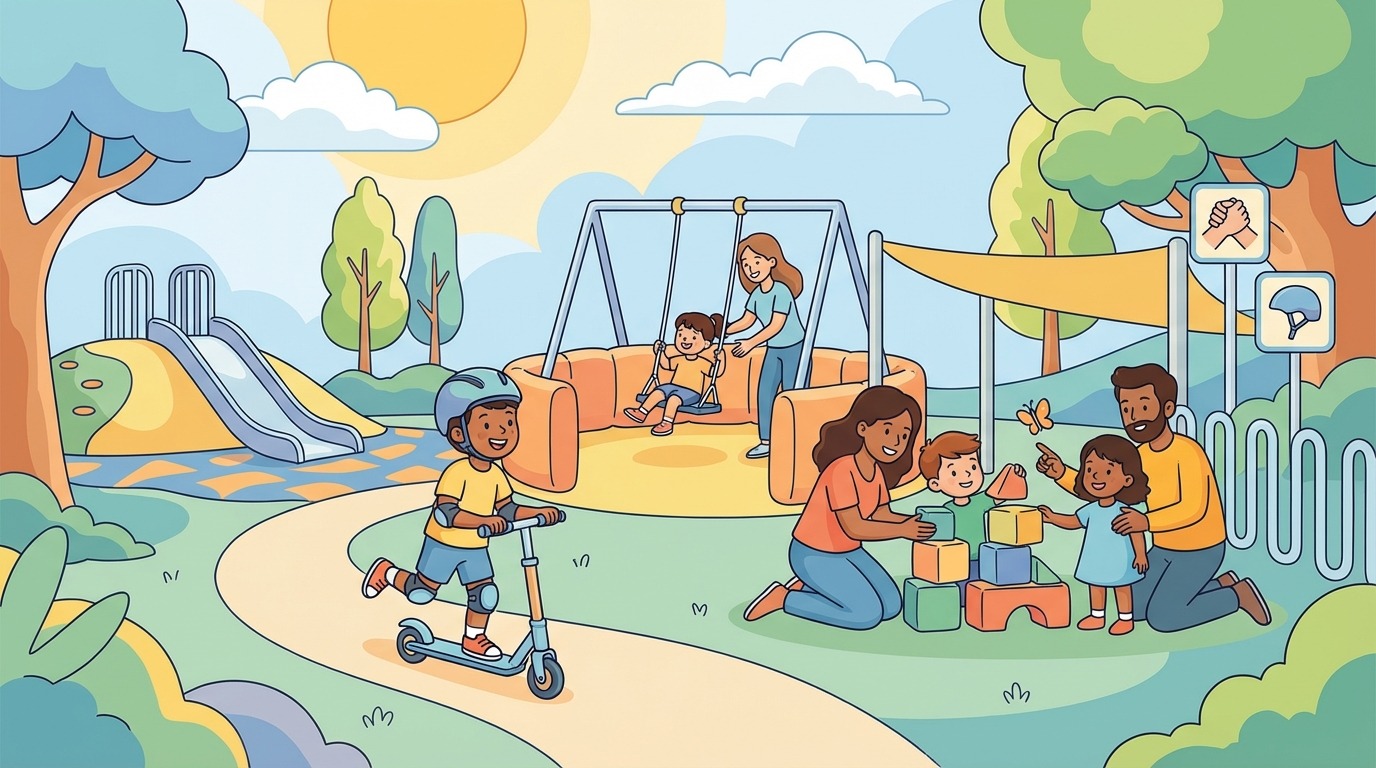
Play areas are precious for motor skills and socialization. However, analyzing surfaces, heights, and crowding prevents many bumps. Simple rules posted at the base of structures guide usage. This practical guide on playground rules offers useful benchmarks: slide one at a time, avoid collisions, watch landing zones.
Clothing matters too. Flexible clothes (Petit Bateau) and closed shoes limit slips. Tags and cords should be watched to avoid catching. Water bottles stay within reach in summer. Mineral sunscreen is reapplied every two hours, with a hat and planned shady zones.
Supervised Sports and Leisure
About 15% of childhood injuries are sports-related. Yet daily physical activity reduces anxiety, improves sleep, and consolidates learning. The solution involves attentive supervision: warm-up, certified equipment, understood and respected game rules. A properly sized helmet, well-fitted knee and elbow pads reduce trauma.
In the Martin family, Naël starts roller skating. The club checks equipment, explains controlled falls, and enforces hydration breaks. Result: confidence and fewer injuries. A statistic confirms it: good supervision reduces risks during practice by up to 30%.
- ⚽ Choose activities suited to the child’s age and real desire.
- 🪖 Check equipment before each session, including fastenings.
- 🧃 Provide water, healthy snacks, and planned breaks.
- 🧠 Remind rules of fair play and stop signals in case of pain.
Key point: fun remains the best driver of adherence. The child progresses when safety is integrated into play, without burdening the experience.
Psychological Safety and Emotional Climate: Nourishing Self-Esteem and Resilience
Psychological safety is built daily. It relies on affection, predictability, recognition of emotions, and clear limits. A child respected in their rhythm and heard in their needs develops solid foundations. They dare to ask for help, manage stress, and bond with others confidently.
Affective Safety and Stable Benchmarks
Simple routines soothe transitions: waking up, meals, calm games, bedtime. Rituals don’t rigidify family life; they secure it. When Lina knows how the evening goes, she better tolerates surprises. Reunion hugs, shared playtime, and a space for expressing emotions create a serene atmosphere.
Separations are sometimes delicate. To manage them, this guide on separation anxiety describes concrete steps: brief but warm goodbye, transitional object, restitution message at day’s end. Adults’ consistency is crucial.
Autonomy and Self-Confidence
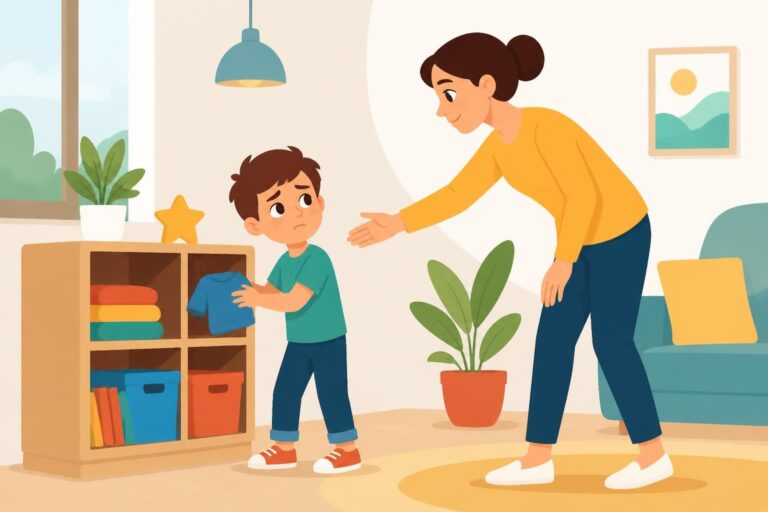
Autonomy is cultivated through child-sized responsibilities: setting the table, choosing the bedtime book, dressing oneself with easy clothes. For Lina, snap-button clothes from Vertbaudet strengthen the desire to do alone. The adult values effort, not only results. This stance protects self-esteem and supports perseverance.
Preventing Violence and Bullying, Including Online
About 10% of students report bullying situations. Cyberbullying extends the impact, sometimes 24/7. The “3 words” rule – “Stop, I block, I talk” – provides an action framework. Help numbers, including 3018, must be known and displayed. Kindness is not enough; it comes with concrete tools and consistent responses among adults.
At school, peer mediation, empathy workshops, and supervised talking spaces reduce risks. Children benefit when the school climate values mutual aid. At home, regular discussions about what happened at recess open the door to confidences.
Managing Stress and Emotions
Occasional stress is normal. Prolonged, it tires and troubles concentration. Simple techniques help: 4-6 breathing, emotion weather at school’s return, visualization before a test. A quiet corner, some resource books, and a success journal support children. Memory albums like The Birth Book strengthen a sense of belonging and family history, which reassures.
When 2-year-old tantrums disorient, this decoding on the two-year crisis helps distinguish the need for autonomy from sensory overload. Adult consistency and a safe framework reduce the frequency and intensity of outbursts.
Strong idea: inner safety is woven through repeated proofs of respect, listening, and fair limits. The child then grows with a reliable emotional compass.
Online Safety and Digital Education: Protecting Without Cutting the Bond
Internet opens horizons of learning but exposes to real risks: cyberbullying, inappropriate content, approaches from predators. From age 10, many children already explore networks. The challenge is not to demonize the tool but to build responsible use, supported by clear rules and ongoing dialogue.
Understanding Risks to Act Better
Attack forms evolve: group mockery, photo edits, fake profiles, and private message pressure. With Naël, a digital rumor started after a lost match. Parents captured evidence, blocked accounts, and warned the school. Quick reaction times limit the snowball effect. The child received emotional support, then guidance to cope if it happens again.
Regarding shocking content, app control and search monitoring remain essential. Privacy settings must be checked quarterly. Children learn to recognize “gifts” traps, to refuse all image sharing, and never to meet a stranger without an adult present.
Parental Control, But Also Teaching
Parental control software filters and limits screen time. They do not replace the relationship; they support it. The Martin family combines filters, child accounts, shared screen times, and a “digital contract” visible on the fridge. This contract specifies schedules, places of use, authorized apps, and reminds the right to say no.
- 🛡️ Set up the child’s profile and age filters.
- ⏱️ Establish screen-free times and visual breaks.
- 📷 Prohibit photo sharing without adult approval.
- 🧭 Explain how to report and block in 3 steps.
Developing Critical Thinking and Digital Citizenship
Media literacy becomes an educational pillar. Learning to verify a source, decode a retouched image, and question sensationalist messages protects the child. Exchanges in class and at home, in the form of role-playing, give substance. The goal: transform the passive user into a clear-sighted actor.
When the child likes to touch and explore everything, this decoding on “touch-everything” helps channel the impulse towards appropriate activities and set clear browsing rules. Vigilance remains non-intrusive to preserve trust.
Balance point: protect, explain, and listen. This triad lowers pressure, strengthens the relationship, and equips the child to face the connected world.
Acting Together for Children’s Safety: Parents, School, Community, and Public Authorities
Child protection is a shared responsibility. The figures speak: a large majority of child actors consider collaboration crucial. Coordinating efforts multiplies impact and reduces blind spots. When each link plays its role, the child gains educational coherence.
Parents: First Educators and Daily Sentinels
Families need concrete tools and support. Many express this need for accompaniment. Workshops, discussion groups, and specialized platforms offer targeted resources. Early childhood training helps update practices, from free motor skills to screen management. Smart birth lists, safe equipment, and appropriate readings form a foundation.
In daily life, attentive kindness to needs, open communication, and seeking help in doubt protect the child. This humility posture strengthens bonding quality and facilitates adjustments.
School and Educational Structures: A Protective Climate
Institutions investing in bullying prevention, mediation, and family–school co-education markedly improve well-being. Reporting protocols, listening times, and staff training create a coherent ecosystem. The child knows whom to talk to, and adults know how to act. Local associations provide educational material and risk awareness workshops.
Community and Local Solidarity
The neighborhood protects when links are woven. Vigilant neighbors, collective school trips, maintained parks, and accessible clubs compose a reassuring fabric. Municipalities can organize “exploratory walks” with parents and children to identify dangerous areas: lighting, crossings, speed. This shared diagnosis then supports local decisions.
Public Authorities and Sustainable Policies
Child protection policies benefit from being ambitious and evaluated. Funding prevention, improving accident statistics, fighting violence, and adapting laws to digital compose a robust framework. Support to families and professionals, via ongoing training and listening devices, also contributes to psychological protection.
Integrated example: the Martin family takes part in a school–parent meeting on screens, attends a first aid session, and joins a local “walking bus” group. Children see adults acting together. This coherence message is, in itself, a form of safety.
Final idea of this section: growing up is a village matter. When the village organizes itself, the child breathes and flourishes.
How to Choose a Safe Baby Stroller for Daily Use?
Favor a stable chassis, a centralized brake, a 5-point harness, and good maneuverability on sidewalks. Test folding, check visibility (reflective strips), and adapt accessories (shade, rain). A certified model, compact in the city and comfortable on paths, secures trips.
Simple Rules to Limit Domestic Accidents?
Secure stairs, hide sockets, store dangerous products up high, watch water, and anchor furniture. Install smoke detectors and establish a seasonal verification ritual. Using a room-by-room checklist significantly reduces falls, burns, and poisonings.
How to Set Screen Limits Without Conflict?
Write a clear family contract (schedules, places, apps, exceptions) and review it each quarter. Use parental control as support, not as punishment. Create shared screen times and motivating alternatives (outdoor games, manual activities). Above all, keep an open dialogue.
What to Do if a Child Experiences Cyberbullying?
Save evidence, block accounts, report on the platform, and talk to the school. Contact 3018 if needed. Reassure the child, surround them, and work on response scenarios. It’s better to act quickly and coordinate family–school to stop the spread.
Which Basic Equipment to Favor for a Young Child?
A certified car seat (e.g., Bébé Confort), a stable Baby Stroller, ergonomic bottles (Avent or Dodie), respectful skin care (Mustela), comfortable clothing (Petit Bateau), secure storage (Vertbaudet). Choice depends on age, living context, and frequency of use.