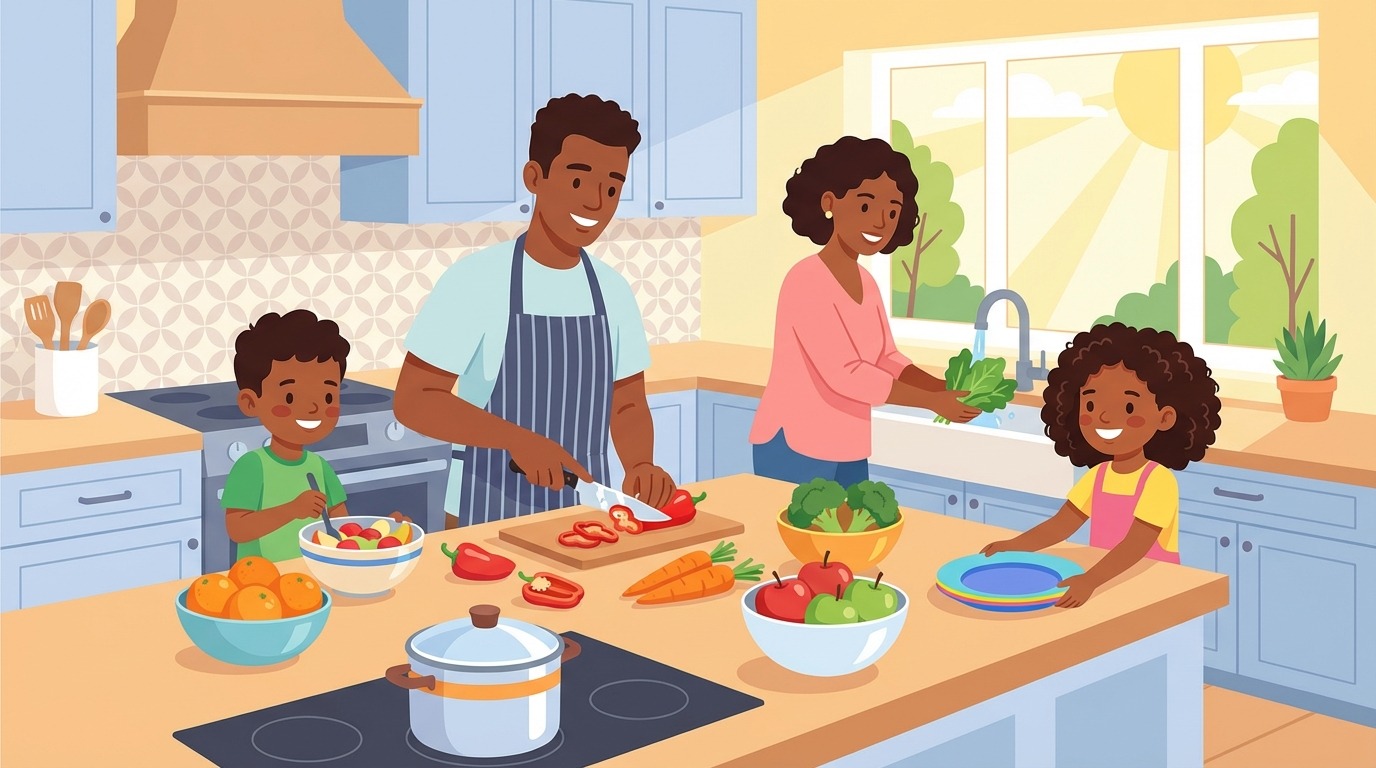
Video Nutrition: Tips for Healthy Family Eating.
Well-designed videos can transform the way we cook, learn, and share balanced meals as a family. By following clear nutrition tips, it becomes easier to establish sustainable eating habits, without rigidity or guilt. Images and play motivate children; adults save time with healthy cooking and flexible planning. Together, households combine pleasure, food education, and health prevention, while cultivating well-being daily.
Throughout this exploration, one scene often returns: children laughing while identifying food groups, parents adjusting portions, and a colorful table telling the story of healthy eating. Digital tools make knowledge accessible, but they only make sense if they inspire concrete actions: cooking in advance, assembling a balanced plate, and talking with the little ones. This article offers reliable benchmarks, ideas applicable from tonight, and ways to stay on track when life speeds up.
| Short on time? Here’s the essentials ⏱️ |
|---|
| Reference plate: 1/2 vegetables 🥦, 1/4 proteins 🍗, 1/4 whole grains 🍚. |
| Rhythm: 3 meals + 1 snack chosen with water 💧 as the default beverage. |
| Batch cooking: cook 2 bases on the weekend ➜ 5 quick dinners. |
| Food education: play, colors, portions adapted to the hand ✋. |
| Health prevention: fiber, omega-3, few ultra-processed foods 🚫. |
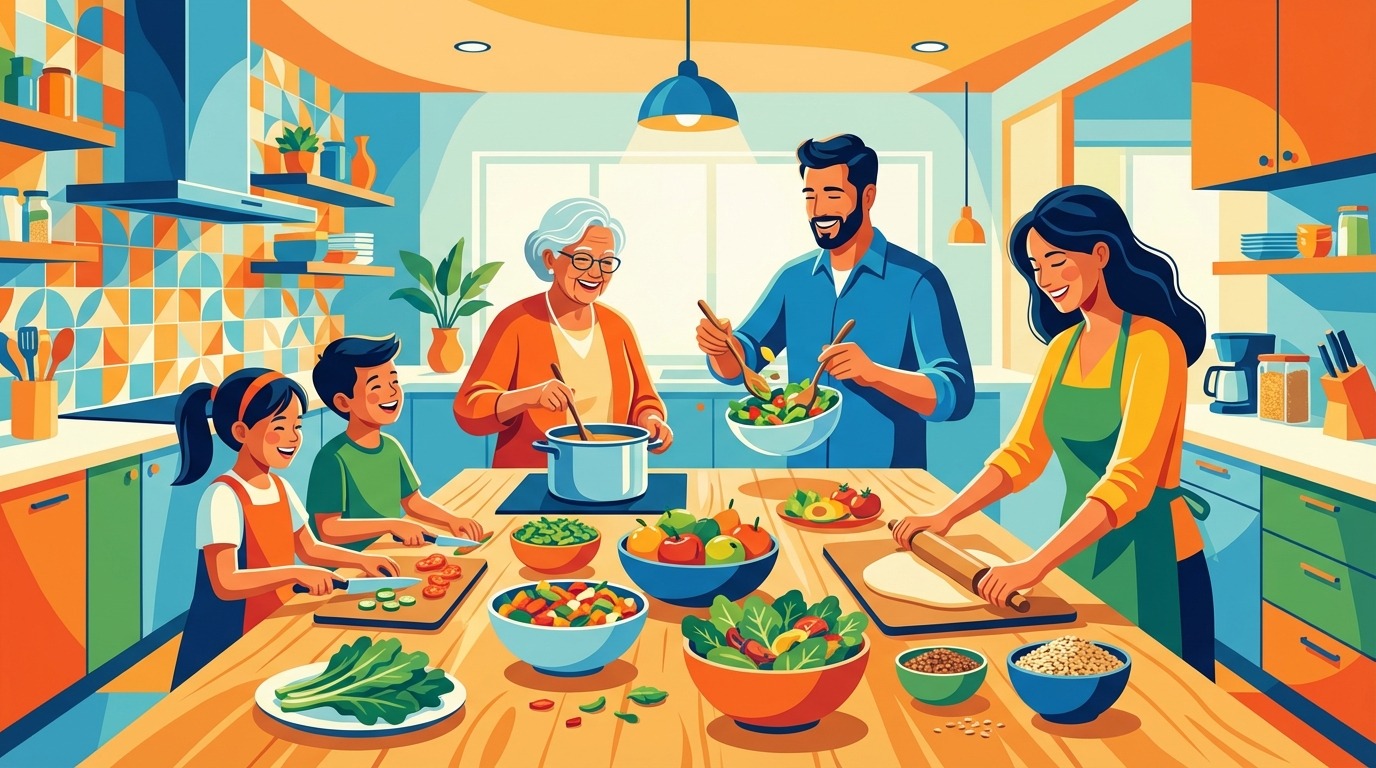
Food video and food education: playful formats to anchor good habits
Video content simplifies the transmission of key benchmarks: portion sizes, color diversity, and meal rhythm. Thanks to storytelling and pacing, children remember better and embrace food education with enthusiasm.
The “Morel family” illustrates this dynamic. Every Tuesday, they watch a short episode about balanced meals. Then, each person shares one tip they will apply. Within weeks, plant diversity increases, and cooking time decreases, without losing pleasure.
The “balanced meal quiz” with Anna and Nicolas
One idea works very well: organize a “home quiz” led by two children, Anna and Nicolas. They ask questions: “What is an unbalanced meal?” or “Which food groups complete the plate?”. Quickly, they become the “balance champions” and motivate the younger ones.
This approach strengthens eating habits without moralizing. Correct answers are rewarded with practical challenges: build a rainbow plate, add a legume, or swap a sugary drink for citrus-flavored water.
Learning through images and gestures
The video establishes a common language. A hand is shown to estimate the protein portion, a fist for starches, and two cupped hands for vegetables. With these markers, confidence returns and culinary creativity expands.
To enhance interdisciplinary learning, playful series about fruits and vegetables combine science and vocabulary. These formats nurture curiosity and trigger useful table conversations.
Watching together, then cooking a quick recipe, creates an action loop. This “see-do-repeat” cycle consolidates skills and establishes a reassuring routine for all.
Mini practical sheet to use tonight
Goal: a simple and complete plate. Base: pre-cooked whole grain. Add: frozen colorful vegetables sautéed. Protein source: eggs or chickpeas. Seasoning: omega-3 rich oil, herbs, and lemon. Result: quick, nourishing, and appreciated by children.
Last point: name the food groups at serving time. Words shape memory, and learning happens effortlessly. The video opens the door, but the plate convinces.
Balanced meals daily: plan without rigidity and save time in the kitchen
Planning does not impose a rigid framework. On the contrary, it brings freedom during the week. With three key ideas, the course remains clear: the reference plate, strategic pantry, and flexible batch cooking.
From the shopping list, the basket tilts towards raw and varied foods. This simple choice reduces the final cost and improves the healthy eating of the entire family.
The 1/2 – 1/4 – 1/4 reference plate
This scheme remains readable for all: 1/2 vegetables, 1/4 proteins, 1/4 whole grains. Sauces are measured, and water stays the basic drink. Quantities are adjusted according to age and physical activity.
Quick example: brown rice + red beans + sautéed peppers. Add omega-3 rich oil and herbs. Flavor is built with acidity, spices, and crunch, not just salt.
Family batch cooking: 120 minutes for 5 evenings
Strategy: cook 2 grain bases, 2 trays of roasted vegetables, and 1 adjustable protein source. This offers at least five variations. Children participate in choosing spices and garnishes.
To facilitate organization, a useful resource details menu ideas adapted to families. It shows how to keep variety without multiplying shopping trips: see these balanced menu suggestions.
A realistic typical week
Monday: whole wheat pasta + broccoli pesto + tuna. Tuesday: lentil patties + crunchy salad. Wednesday: baked chicken + sweet potato + cabbage. Thursday: Mexican bowl with corn and beans. Friday: omelet, potatoes, and spinach.
Leftovers transform into wraps or light gratins. This logic limits waste and frees up evenings.
- 🍅 Vary colors to cover micronutrients.
- 🥣 Plan a weekly soup for fiber.
- 🧊 Freeze portions for busy evenings.
- 💧 Serve homemade flavored water to reduce sugar.
- 🧂 Replace salt with herbs and citrus.
At school, the snack can remain simple and nourishing. You can find practical ideas here: balanced snacks and lunches. Children eat better when the format is easy to grasp.
With these building blocks, cooking becomes light and efficient. Time is saved, while stabilizing nutritional quality.
Children’s nutrition and positive parenting: establishing sustainable eating habits
Pressure around meals often creates blockages. Conversely, a clear framework, limited choices, and positive rituals encourage adherence. The table becomes a space for discussion again, not a battleground.
Simple rules help. Choose the time, place, and menu. The child chooses quantities among the options provided. This sharing of responsibility avoids power struggles.
Educate without guilt
Children imitate more than they listen. Showing a plate rich in plants weighs more than a thousand injunctions. Invite tasting without demanding. Peaceful repetition does the rest.
Turning foods into heroic missions is very fun: “Who finds today’s legume?”. The meal becomes a culinary adventure, not a control.
Babies and sugar: laying solid foundations
From diversification, favor the taste of whole fruits, plain yogurt, and vegetable purees. Sugary products are better kept exceptional. To better understand the issues, this resource summarizes sugar’s impact on infants: sugar and baby feeding.
Breast milk or formula remains the base before one year. Curiosity is developed without hurry. Each novelty is offered several times, in varying textures.
Moms, breastfeeding and energy
A diet rich in proteins, fiber, and good fats supports breastfeeding. Meals should remain simple and frequent, with generous hydration. Concrete tips are available here: breastfeeding mom nutrition.
The household benefits from cooking “baby-friendly” dishes: purees without salt, tender vegetables, and well-cooked cereals. The whole family enjoys unified healthy eating.
Educational snacks and autonomy
Snacks serve food education. Offer a fruit, a handful of nuts, or plain dairy. Avoid ultra-processed foods by keeping ready options in the fridge and school bag.
These rituals build a calm relationship to pleasure and satiety. The child learns to listen to their body, which nourishes long-term health prevention.
Healthy cooking, controlled budget, and constraints: the art of going to the essentials
Eating well doesn’t have to cost more. The key lies in the trio seasonality, bulk, and organization. Plant proteins usefully complement intake, while respecting the budget.
Natural frozen foods play a role as allies. They reduce waste and ensure the availability of varied vegetables year-round.
Smart purchases and anti-waste
Favor family sizes and bulk for basics: cereals, legumes, and nuts. Herbs, spices, and citrus bring lots of flavor for minimal cost. Leftovers become spreads, patties, or soups.
A weekly cutting session simplifies the whole week. Transparent containers make choices visible. This clarity avoids redundant purchases.
Specific constraints: pregnancy and food safety
During pregnancy, vigilance is required for certain raw or risky foods. Official guidelines evolve, but common sense remains: strict hygiene, secure choices, and variety. To go further on raw foods and safe options, see this insight: raw fish and precautions.
Other questions often arise during this period. A summary guide helps disentangle the essentials: frequent questions during pregnancy. It offers clear answers anchored in daily life.
Equipment and solutions to gain simplicity
A good blender, a steamer, and airtight containers change life. Equipment doesn’t do everything, but it smooths routines and secures textures for the youngest. Practical tips are gathered here: feeding solutions for babies.
Finally, setting a visual rule works well: “Always a vegetable at every meal.” This simple mantra guides choices, even on rushed evenings. Healthy cooking becomes a habit, not a complicated project.
Health prevention, well-being, and lasting pleasure: small decisions, big effects
Healthy eating linked to pleasure improves well-being and health prevention. Fiber supports the microbiota, omega-3s soothe inflammation, and limiting ultra-processed foods reduces glycemic spikes.
This foundation benefits all generations. Grandparents even play a role as flavor transmitters. They pass on simple recipes and give meaning to rituals.
Pragmatic anti-inflammatory approach
Focus on regularity, not perfection. Daily: varied vegetables, whole grains, legumes, fatty fish or flax seeds, and quality oils. This base supports children’s energy and attention.
Conversely, limit very sugary products, charcuterie, and frequent fried foods. Pleasure stays on the menu, but it is rooted in quality.
Sleep, screens, and plates
Sleep and meals converse. A dinner too late or very rich disrupts the night. Conversely, a light snack late afternoon stabilizes appetite.
Turn off screens before dinner. Conversation and tasting promote relaxed satiety and better digestion.
Resources, communities, and transmission
Involving elders creates a bridge between generations. Concrete ideas and educational benchmarks are here: finding the right place for grandparents. This social link nourishes as much as the plate.
Video formats remain powerful catalysts. They inspire, then the kitchen confirms. Keeping this back-and-forth nurtures motivation.
To maintain momentum, note the week’s victories: a new legume tasted, a favorite flavored water, a dinner in under 20 minutes. These markers encourage collective progress.
5 immediate reflexes to anchor success
These quick actions consolidate momentum and strengthen confidence: they combine simplicity, taste, and variety.
- 🥕 Pre-cut crunchy vegetables for two days.
- 🥗 Set the table with water first, the rest follows.
- 🍋 Season with lemon, herbs, and omega-3 rich oil.
- 🍲 Freeze a “ready to stretch” soup base.
- 🌈 Color the plate with at least three shades.
By applying these reflexes, progress becomes visible. The plate reflects a clear vision: simple, colorful, and focused on health.
How to explain the 1/2 – 1/4 – 1/4 plate to children?
Use a color code: half the plate with vegetables (green/orange), one quarter with proteins (white/pink/brown), one quarter with whole grains (beige). Show with the hand: palm = proteins, fist = starches, two cupped hands = vegetables. Then, let the child compose their version.
Which simple snacks support attention at school?
Whole fruits, plain yogurt, handful of nuts/almonds, whole wheat bread + cheese, water to drink. Prepare ready portions in the fridge. Get inspired by practical ideas on snacks and lunches for school.
How to reduce sugar without frustration?
Replace sugary drinks with homemade flavored water. Serve desserts based on fruits or plain yogurt with cinnamon. Reserve very sweet products for specific occasions, in small quantities, and without dramatizing.
First step for healthy cooking with little time?
Cook two bases on the weekend: whole grain and roasted vegetables. Add a quick protein each evening (eggs, canned fish, legumes) and a quick sauce. You will save 20 minutes per meal on average.
“Simple gestures, repeated as a family, are worth more than a perfect diet followed alone.” ✨