
Understanding Sugar: Understanding Sugar in Baby’s Diet (0-12 months).
| Short on time? Here’s the essentials ⏱️ |
|---|
| 0-6 months: breast milk or formula is enough, no need for added sugar 🍶 |
| 6-12 months: diversification favors whole fruits, no juice or sweet biscuits 🍎 |
| Prevention: no sweet bottle at bedtime, clean gums from the first teeth 🪥 |
| Labels: track sugar aliases (syrup, maltose, juice concentrate) and aim for 0 g of added sugars 🔍 |
| Taste: get used early to low sweetness flavors to protect baby’s health and future appetite 🧠 |
Faced with shelves promising smiles in a jar, a question arises: what does sugar really mean in the baby’s diet from 0 to 12 months? Infant nutrition distinguishes between sugar naturally present in milk and fruit, and added sugar, problematic from the very first spoonfuls. Between a pleasure signal and a metabolic trap, the dosage matters. Yet, sweet taste develops very early, sometimes even before the first puree.
Because each bite shapes lasting preferences, the issue goes beyond just “no sugar.” It is mainly about calibrating nutritional needs, preventing dental caries, and opening the door to diverse flavors. This guide advocates a concrete, joyful, and well-argued approach. It offers month-by-month reference points, menu examples, and prevention strategies to avoid the trap of overly sweet products, while keeping the table lively and reassuring.
Sugar and infant nutrition 0-6 months: scientific basics and myths
During the first six months, milk is the sole food. Breast milk contains lactose, a natural sugar, perfectly suited to infant nutrition. It provides energy, facilitates calcium absorption, and supports brain development. Infant formulas are regulated to resemble this profile, with no need to add sucrose.
However, there is a widespread misconception: a baby would need a very sweet taste to “eat well.” This is false. Newborns like sweet tastes, but this attraction should not be artificially reinforced. Adding added sugar to a bottle, even occasionally, increases preference for sweetness and may disrupt hunger self-regulation.
Lactose, energy, and harmonious growth
Lactose accounts for most of the milk carbohydrates. Its digestion releases glucose and galactose useful to the brain. Moreover, the presence of oligosaccharides in breast milk nourishes the microbiota, which boosts immunity. Arguably, these facts are enough to show that adding sugar offers no benefit. It even complicates glycemic regulation.
What happens when adding sugar to a bottle? Blood sugar spikes, insulin follows, and the baby may ask for more sooner. In the medium term, this cycle can influence satiety signals. The safest path remains simple: milk, and nothing else.
Common myths and informed decisions
Myth 1: “A bit of honey soothes.” Firm refutation: honey is forbidden before 12 months due to the risk of botulism, independently of sugar. Myth 2: “A sweetened herbal tea hydrates better.” No, plain water is enough between feeds when it’s hot. Myth 3: “Without sugar, baby refuses the bottle.” This is rarely about taste; often the cause is an inappropriate nipple flow or milk temperature.
During this period, the absolute priority is baby’s health. A consistent environment, clear schedules, and caregivers aligned on the same rules build feeding trust. This foundation serves as an anchor point for the next stages.
Case study: Lina’s family
Lina, 3 months old, takes spaced bottles. A relative suggests adding a spoonful of sugar to “settle.” After explaining the role of lactose and the risks of increased preference for sweetness, the family gives up. They simply adjust the bottle sizes and notice better comfort. The argument is clear: meet energy needs without deviating from physiology.
This first half-year thus calls for a clear equation: suitable milk, zero added sugar, and careful listening to hunger signals. This path protects appetite and prepares serene diversification.
Complementary feeding 4-12 months: mastering sweet taste without excess
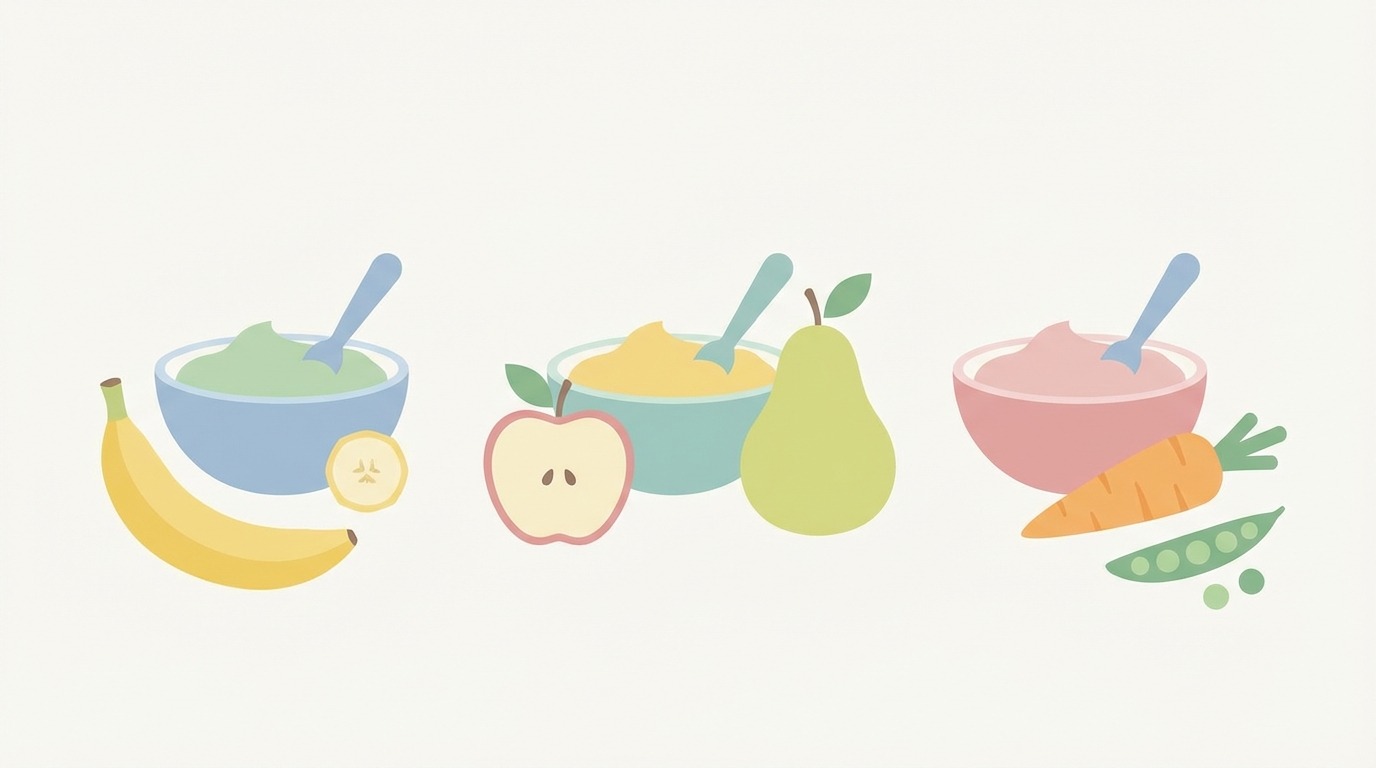
Between 4 and 6 months (medical opinion depending), complementary feeding begins. The winning strategy preserves curiosity and neutrality of taste. Vegetables come before fruits, or are mixed, to avoid reinforcing the quest for sweetness. At the spoon, the pace remains slow and joyful.
Learning window for taste
Studies on food neophobia show a favorable window between 6 and 12 months. During this period, offering the same vegetable several times increases acceptance. Playing with textures also matters: smooth carrot puree, mashed zucchini, then small soft pieces. The well-argued goal is twofold: familiarize and diversify, without hiding natural sweetness.
To guide without forbidding, one tip works well: combine a hint of naturally sweet fruit with a vegetable. Cooked apple and butternut squash, for example. The sugar comes from the fruit, not the sugar bowl. The palate becomes eager for nuances, not raw sweetness.
Whole fruits yes, juice no
Whole fruits provide fiber and micronutrients. Juices, however, concentrate free sugars, promoting caries and rapid calorie intake. Even “100% pure juice” is unsuitable before 12 months. A quarter of cooked and mashed pear is enough to flavor durum wheat semolina. It is more filling and safer.
When snack cravings arise in older siblings, ideas for the family can be useful. Healthy suggestions exist, such as these inspirations for lunchboxes, to be adapted much later for older brothers and sisters: balanced school snacks 🍏. The idea is to anchor a low-sugar home culture.
Quick recipes without added sugar
Sweet potato puree with cinnamon, unsweetened apple compote with a touch of vanilla, very smooth chickpea hummus from 9-10 months depending on tolerated textures. Each recipe emphasizes original taste. Plain infant cereals are preferable to sweetened flavored versions.
And if an adult asks for “a little taste”? Use finely ground white almond or finely grated coconut after 10-12 months, depending on recommendations and textures mastered. This adds aromas and nutrients without slipping into excess sweetness.
A word about salt, often a companion to sugar in prepared products. Recommendations go the same way toward moderation. To enlighten family choices at the sibling scale, this practical guide proves relevant: salt and sugar in children 🧂.
In the end, a successful diversification is judged by the variety of colors and the shared enthusiasm. This daily scene cultivates a lasting preference for “real” taste.
Prevention of dental caries and sugar management in infants
Dental caries are not just for older kids. They can start early when free sugars bathe the teeth. The combination of accessible sugar + prolonged presence in the mouth + insufficient hygiene speeds up the process. Prevention is organized from the first tooth.
Understanding the mechanism
Oral bacteria transform sugars into acids. These acids demineralize enamel. The longer the exposure, the greater the risk. Sweetened milk bottles, juice, or sweet infusions at bedtime increase this exposure time. The argument is clear: controlling sweetness is protecting enamel.
It is strategic to avoid sweet liquid snacks. Thick purees and whole fruits slow ingestion and limit contact surface. This choice also structures the meal rhythm.
Adapted hygiene rituals
From the eruption of the first tooth, clean gently with a damp compress, then a soft brush. A trace of fluoridated toothpaste can be offered according to pediatrician’s advice. The last bottle should contain only milk or water. Sweet bottles at bedtime remain to be avoided.
Simple reference points help daily:
- 🪥 Clean gums and teeth every night.
- 🚫 Avoid added sugar and sweet drinks.
- 🕒 Group natural sweet intakes at meals.
- 💧 Offer water between feedings.
- 🍼 No bottle with sweet liquid at bed.
To reinforce these good practices, an educational video can help visualize daily routines.
By promoting these rituals, the family invests in baby’s health long-term. It is a priority as concrete as a vaccination appointment.
Reading labels: spotting added sugar in baby products
Marketing overflows with linguistic tricks. Sugar hides behind many aliases. To protect baby’s diet, one must learn to spot these signals quickly. The eye must first look for the ingredient list, then the “of which sugars” line in the nutritional table.
Sugar aliases and false friends
Glucose syrup, rice syrup, maltodextrin, sucrose, fructose, dextrose, fruit juice concentrate, concentrated grape juice, inverted sugar, caramel. All signal added sugar or a source of free sugars. “Dessert” purees or baby ladyfingers often contain these elements. The central argument is simple: the shorter the list, the safer it is.
Useful numeric thresholds
For products intended for toddlers, the goal is 0 g added sugars. Without clear indication, a useful rule is to check total “sugars”: for 100% fruit compote, 10-12 g/100 g comes from the fruit. For infant cereals, any added sugar or honey should raise alert.
A table clearly summarizes quick reading:
| Warning signs on a label 🧐 |
|---|
| Sweet ingredients at the top of the list ➜ product to avoid 🚫 |
| -ose endings (glucose, fructose) ➜ free sugar 🧪 |
| Juice concentrate ➜ disguised added sugar 🍇 |
| Vague claims “baby-friendly” without detail ➜ caution ⚠️ |
Case studies and alternatives
Case 1: flavored “vanilla” porridge with glucose syrup. Verdict: no. Alternative: plain cereals + homemade compote without sugar. Case 2: “first age” ladyfingers with concentrated grape juice. Verdict: trash. Alternative: ripe pear sticks well softened depending on texture.
For family cooking, better to favor savory flavored recipes, offered to the older ones, and keep the salt- and sugar-free version for baby. As culinary inspiration for the family (not for infants), these sesame chicken bites show how to enhance taste without flooding with sugar 🍗. The same balance reflex will guide the following years.
Reading a label quickly becomes a reflex. In three seconds, you can scan ingredients, sugars, and marketing, then decide. This sorting protects curiosity and natural appetite.
Nutritional needs and practical monthly reference points
Nutritional needs evolve rapidly during the first year. The compass remains baby’s appetite and texture progression. These markers aim to combine safety, pleasure, and moderate sweetness. The main argument is summed up in one sentence: quality prevails over quantity.
0-4 months: focus on milk
Breast milk or formula, on demand or according to a rhythm that builds. No sweetened water, no juice, no honey. Hunger and satiety signals guide the volumes. In case of digestive doubt or suspected lactose intolerance in an older sibling, this file offers useful markers: lactose intolerance in children 🥛.
4-6 months: first touches
Introduction of smooth vegetables, then fruits. One to two spoonfuls at the start, never forced. Plain infant cereals can support energy intake. Sweetened flavors are avoided. Water remains the reference drink outside milk when needed.
6-9 months: palettes and textures
Three structured meals emerge. Successful combinations balance natural sweetness and mild saltiness. Plate examples:
- 🥕 Carrot puree + very soft fish + unsweetened pear compote.
- 🥔 Mashed potato + zucchini + a quarter of mashed banana.
- 🌾 Plain cereals + milk + homemade apple coulis.
Still avoid sweet biscuits and sweetened dairy desserts. Taste is educated by repetition and variety, not by sweet intensity.
9-12 months: autonomy and vigilance
The pincer grip develops, soft pieces arrive. Sweet snacking between meals threatens balance. Rely on snacks without added sugar: very ripe fruit in small dices, plain whole yogurt, salt-free dedicated baby bread. Family celebrations do not justify deviation at this age.
For family organization, environment counts as much as the plate. Regular sleep and calm routines reduce comfort sugar cravings in the older kids, as explained in this post on late bedtimes and their effects: when children go to bed late 🌙. This overall coherence also protects the youngest.
At the end of this year, the key message is clear: preserving the taste of the real is offering lasting health capital.
“The best sugar for baby is that of real foods: enough to learn, never to mask.” ✨
Does a baby need added sugar before 12 months ?
No. Breast milk or infant formula covers carbohydrate needs thanks to lactose. Added sugar brings no benefit and can promote excessive preference for sweetness and dental caries.
Are fruit juices suitable during the first year ?
They should be avoided. Juices concentrate free sugars, increase the risk of caries, and disturb satiety. Whole fruits, finely pureed according to the stage, are better.
How to spot hidden sugar on a label ?
Look for aliases: glucose syrup, maltodextrin, fructose, juice concentrate. Aim for short lists and 0 g added sugars. Beware of vague claims.
Which action best prevents dental caries ?
Avoid sweetened bottles, especially at night, and clean teeth as soon as they appear. Water is the only appropriate drink between meals.
Should infant cereals be sweetened ?
No. Choose plain cereals. If flavor is needed, an unsweetened fruit compote is enough to flavor and respect infant nutrition.