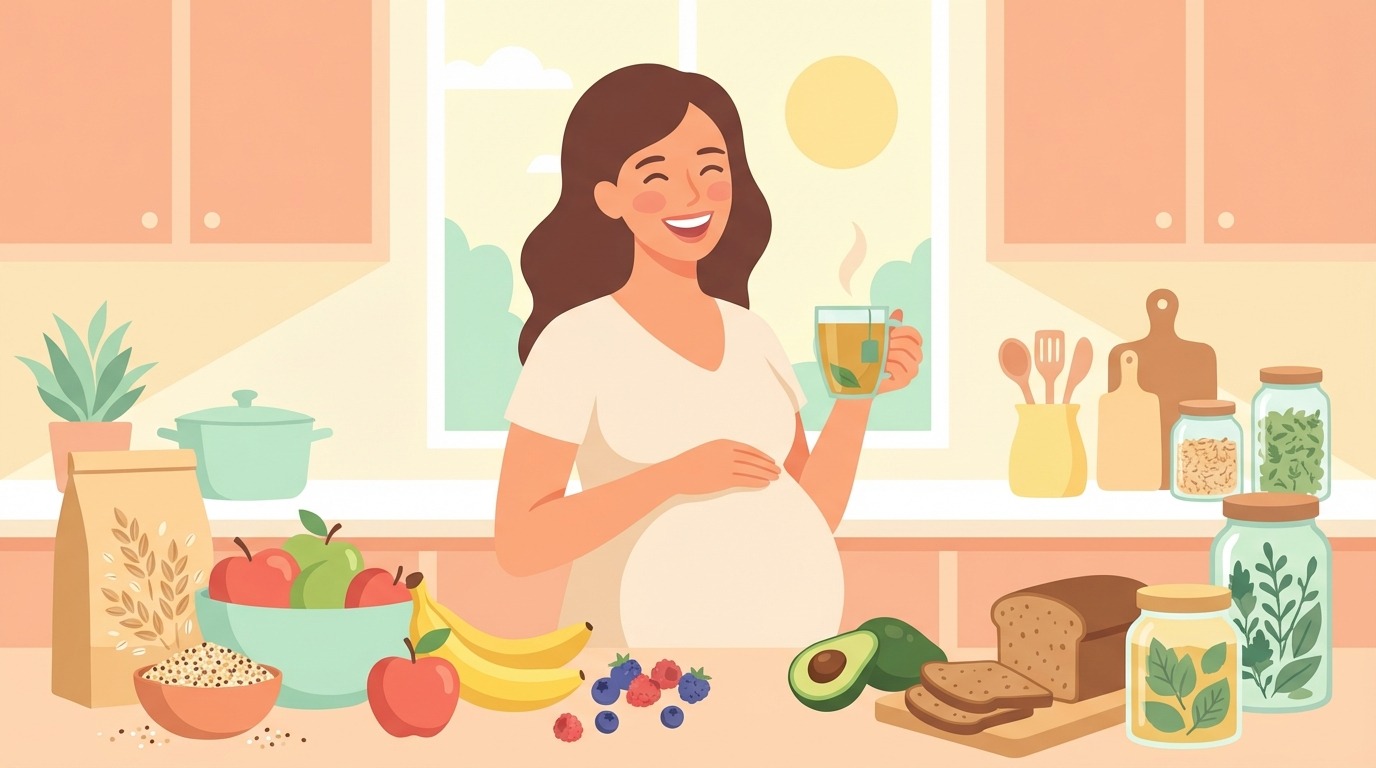
Tastes Disgusts Pregnant: Chronicle: the tastes and disgusts of a pregnant woman.
| Short on time? Here’s the essentials ✨ |
|---|
| Taste and smell changes are common in the 1st trimester 🤰 |
| Food aversions sometimes protect against microbial risk 🛡️ |
| Cravings often peak in the 2nd trimester and also reflect culture 🍫 |
| Split meals, aim for a low glycemic index, drink regularly 🥣 |
| Monitor intense nausea and weight loss, consult if needed ⚠️ |
| Favor a pregnancy diet rich in nutrients 🥦 |
| Ask for help for comprehensive support, nutritional and emotional 🤝 |
Food tastes during pregnancy fascinate as much as they puzzle. Because the taste buds suddenly shift: some pregnant women crave citrus, others can no longer stand the smell of coffee, and a few alternate between sweet and savory in the same day. This sensory chronicle is not anecdotal. It reflects a powerful and rapid hormonal reorganization, with a gustatory and olfactory sensitivity rewritten almost overnight. Between unexpected pleasures and confusing food aversions, the daily balance is redrawn, often with humor, sometimes with constraint.
Yet, these sensory shifts can become allies. When understood, they guide wise choices, reassuring for the mother and beneficial for the baby. Recent studies shed light on this inner theater: hormones, reward circuits, and cultural experience interact. Better yet, simple strategies help tame nausea and channel cravings. So, how to turn this gustatory journey into a health asset? Here is a reasoned, concrete, and resolutely caring exploration.
How to manage taste and appetite changes during pregnancy
Pregnancy triggers a hormonal cascade that deeply adjusts the senses. Very quickly, the sense of smell becomes sharper, and gustatory sensitivity rises a notch. This double effect explains sometimes extreme reactions to certain odors or flavors. These are not whims, but a rapid biological recalibration. The body seeks a new balance, not always signaling beforehand.
On a scientific level, a serious lead has emerged with the GDF15 factor, recently linked to nausea and vomiting. This mediator, elevated during gestation, would influence appetite and sensory tolerance. Thus, fatty or very aromatic foods sometimes become “impossible.” Conversely, other taste profiles reassure, like bread, rice, or citrus. This sorting is not arbitrary. It responds to a logic of digestive comfort and safety.
In daily life, adaptation passes through simple gestures. First, splitting food intake reduces gastric discomfort. Then, aiming for carbohydrates with a low glycemic index stabilizes energy and prevents uncontrolled cravings. Quality proteins and lipids also contribute to satiety. Finally, regular hydration limits headaches and aids digestion. These basic measures carry a lot of weight in the balance of well-being.
Let’s illustrate with Camille, 32 years old. From six weeks of amenorrhea, sensations go haywire. The smell of coffee kills her appetite, while citrus soothes her. To maintain a complete pregnancy diet, her schedule adjusts: breakfast in two stages, protein snack late morning, lunch rich in cooked vegetables, snack with yogurt + fruit, light dinner. Symptoms diminish in ten days, and vitality returns.
In the same spirit, the culinary environment can be adapted. Air out the kitchen, favor gentle cooking methods, serve dishes warm rather than hot. These details reduce olfactory intensity. Moreover, delegating the preparation of some very aromatic dishes is helpful. And if group meals become difficult, offering “neutral” menus reassures everyone.
Finally, regarding practical resources, reliable video content provides dynamic and reassuring support to understand the mechanisms and put things into perspective.
Ultimately, mapping reactions, adjusting portions, and caring for nutritional quality form a solid triptych. This foundation allows you to get through the sensitive phase without sacrificing the pleasure of eating.

Pregnancy food aversion: causes, solutions, practical tips
Food aversions surprise by their suddenness. They often reflect hypersensitive smell that amplifies the taste experience. An adaptive hypothesis suggests these instinctive rejections exclude risky foods. Rarely cooked red meats, raw milk cheeses, raw fish sometimes concentrate aversions. This reflex coincides with periods of nausea, when the stomach is vulnerable.
What are the underlying causes? First, estrogens and progesterone change sensory chemistry. Then, olfactory memory links a smell to past nausea and avoids it. Finally, psychological context amplifies signals. Fatigue, stress, or overly aromatic meals increase disgust. These factors add up and create individual maps, changing over weeks.
Solutions focus on reasoned avoidance and substitution. Replace red meat with eggs, legumes, or well-cooked poultry. Swap frying for steaming or baking. Shift aromatic preparations to another time of day. These simple strategies reconcile nutritional needs and sensory tolerance.
A frequent symptom intrigues: the metallic taste early in pregnancy. Often noted in the first trimester, it is explained by hormonal fluctuations and oral hypersensitivity. Sips of lemon water, tongue brushing, and using wooden utensils can help. Again, patience pays, as the phenomenon remains transient.
From a dietary standpoint, sanitary precautions remain essential. If craving fish, get informed to consume within limits, like smoked salmon during pregnancy under very strict conditions. Similarly, for convivial meals, opt for heated and safe options, for instance melted cheeses and raclette that are well pasteurized. These choices ease worries while preserving the pleasure of the table.
To overcome persistent aversion, gradual sensory exposure helps. Begin by tolerating a muted odor (covered dish, aired room). Then taste a bite with a mild accompaniment, like a puree. If the trial fails, keep the protein plan B. The goal is not performance but consistent intake.
- 🌿 Anti-odor tip: steam cook, cover pots, air rooms thoroughly.
- 🥣 Texture tip: blend vegetables into a velouté for a gentler starter.
- 🍋 Freshness tip: zest a citrus on a warm dish to brighten without weighing down.
- 🫖 Nausea tip: ginger or lemon infusion, sipped slowly throughout the day.
- 🧊 Timing tip: try new foods when nausea is at its lowest.
When aversion persists and excludes too many food groups, nutritional advice is necessary. Anticipation prevents deficiencies and reduces anxiety. Ultimately, a more peaceful food intake benefits both mother and baby.
Does taste change when pregnant? Sensory and cultural decoding
Yes, taste changes, often dramatically. The first weeks see a remodeling of receptors and associated circuits. Smell, which modulates taste, intensifies. This synergy explains why a harmless odor becomes unbearable. Overall perception shifts toward clear, acidic, or neutral flavors, easier to manage.
Numbers support this observation. Up to 85% of pregnant women report “weird” tastes. About 26% note a real shift in preferences. Nausea, frequent in the first trimester, factors into the equation. Yet, taste changes vary widely. Some last a few weeks. Others stretch further, without consequence if the diet remains balanced.
Beyond biology, culture plays its part. The myth of “strawberry cravings” reflects a particular social tolerance during pregnancy. Cravings feed on habits, memories, and implicit permissions. In many families, offering a desired food becomes a caring ritual. This social framework reduces guilt and encourages self-listening.
Neuroscience adds a chapter. Dopaminergic reward circuits adjust. Thus, very sweet foods gain attraction, especially in the second trimester. Yet, this appetite is not inevitable. Gradual learning toward less sweet flavors remains possible. Taste buds are educated gently and regularly.
The practical effects are clear. It becomes useful to spot when the palate is most receptive. Many women note a favorable window late morning. Putting the main meal in this slot improves overall intake. Then, keeping smart snacks handy avoids impulsive purchases. This flexible framework prevents excess and respects physiology.
Finally, some signals require vigilance: uncontrollable vomiting, weight loss, extreme thirst. In such cases, medical evaluation must be prompt. Better to prevent than correct later. The goal remains constant: preserve energy, fetal growth, and morale.
Understanding these biological and cultural drivers liberates. You can then build a peaceful relationship with sensations, without giving up the pleasure of eating.
Overcoming cravings without guilt: concrete pregnancy meal plan
Cravings often peak in the second trimester. This peak combines better digestive comfort and more sensitive reward circuits. Resisting is not always the right strategy. Channeling the desire instead nourishes without destabilizing blood sugar. A planned frame makes all the difference. In fact, a clear routine cuts off impulsive buying.
First lever: meal structure. Aim for three meals and two to three snacks, depending on appetite. Include fiber at each intake. Add a protein source, even modest, to delay hunger. Organize the day around regular hydration. This framework makes metabolism more predictable.
Second lever: carbohydrate quality. Favor whole grain rice or pasta, sourdough bread, legumes. This choice limits insulin spikes and stabilizes mood. Third lever: useful fats, especially omega-3. A handful of nuts or a spoonful of rapeseed oil often suffice. These details stack benefits over time.
Three satisfying snacks, calibrated to soothe strong cravings, can serve as daily compass.
- 🍓 Fresh fruit + handful of almonds: fiber + satiety, easy to carry.
- 🧀 Slice of whole grain bread + pasteurized cheese: crunchy + melting, satisfying.
- 🥣 Natural yogurt + unsweetened compote: controlled sweetness.
Alongside, bodily approaches support regulated appetite. Acute stress disrupts internal signal listening. Thus, gentle osteopathy sessions or prenatal massages promote relaxation. This ease facilitates a calmer relationship with hunger and fullness.
Also consider intercurrent pain. Lower abdominal pain during pregnancy can reduce appetite. Adapting posture at the table, further splitting meals, and preferring warm dishes help greatly then. When discomfort wanes, appetite often returns spontaneously.
Finally, shopping must be anticipated. Filling cupboards with healthy options prevents costly slips. Keeping a small emergency list on the fridge helps the whole family. This micro-organization turns impulses into informed choices. Pleasure remains on the agenda, without blood sugar yo-yo.
Overall, planning, enriching with fiber, and protecting emotional balance form a winning strategy. The craving is honored, but the health course remains steady.
Pregnant woman’s tastes and aversions chronicle: real cases, warning signs, when to consult
Every pregnancy writes its own sensory chronicle. Clara, 28, can no longer stand red meat but loves thick soups. Her blood work remains good thanks to legumes and eggs. Hana, 35, experiences prolonged nausea with loss of appetite. Splitting meals and whole starches help her recover. Finally, Sofia, 40, has intense sweet cravings. Nutritional coaching refocuses her choices toward smarter snacks.
Orange flags do exist though. Persistent vomiting, inability to drink, extreme fatigue should alert. These symptoms require rapid assessment. Recent research on GDF15 sheds light on these severe pictures. In intense forms, targeted treatments prevent complications. Psychological support also eases associated anxiety.
Moreover, intercurrent gynecological signs require vigilance. Unusual vaginal discharge during pregnancy deserves checking if accompanied by discomfort or odor. The same goes for new pelvic pain. Better to clarify quickly to protect appetite and serenity. The goal is not to worry, but to secure.
The support network counts just as much. A local or associative resource, like a referral platform, provides initial help. In case of social or material difficulties, informing oneself at a dedicated service can change things. In this respect, consulting an orientation page such as help for pregnant women helps not to remain alone with questions.
Close circle matters too. Formalizing small tasks to delegate lightens daily life. Someone close can cook a neutral base for the week. Another manages the shopping list. And a third offers a digestive walk after dinner. This caring orchestration eases mental load and stabilizes appetite.
Finally, keeping a written record of food reactions facilitates follow-up. Note the time, context, hunger felt, tested food, and effect perceived. In consultation, this journal guides adjustments. It also objectifies progress. Seeing improvements motivates and strengthens confidence.
Recognizing warning signs, surrounding yourself, and documenting feelings transforms the experience. Fine body listening becomes a reassuring and effective guiding thread again.
Practical guidelines for a calm gustatory sensitivity
To conclude this field overview, a few guidelines apply for most profiles. Cook simply, warmly, and sparingly seasoned. Focus on reassuring textures. Allow controlled pleasure when craving becomes insistent. And above all, do not confuse emotional hunger with physiological hunger. Short breathing before meals helps distinguish.
Underlying rule: the body sends signals, and reason organizes them. This patient and firm alliance reconciles comfort, safety, and joy of eating.
Why do I suddenly have a metallic taste in my mouth?
This sensation often occurs in the first trimester. Hormonal fluctuations and oral hypersensitivity contribute. Lemon water, tongue brushing, and wooden utensils can help. The phenomenon is transient. For more information, see dedicated resources on metallic taste early in pregnancy.
Do sweet cravings mean a nutritional deficiency?
Not necessarily. Cravings also reflect more sensitive reward circuits and cultural habits. They can be managed intelligently: a controlled portion, combined with fiber and proteins, calms the desire without blood sugar spikes.
What to do if nausea prevents eating?
Split meals, try soft textures, drink in small sips. Avoid strong odors and favor warm dishes. If vomiting persists, consult quickly, especially in case of weight loss or dehydration.
Should I eliminate foods as a precaution?
Better to be reasonable. Follow sanitary rules (adequate cooking, pasteurized products). Adapt according to sensory tolerance. In case of doubt about a specific product, seek advice from a health professional.
How to deal with aversions without deficiencies?
Replace a rejected food with an alternative from the same nutritional group. For example, substitute red meat with eggs, legumes, or well-cooked poultry. The goal is diversity more than performance.
“Tastes change, the strength remains: when the body speaks, enlightened listening becomes its best response.”