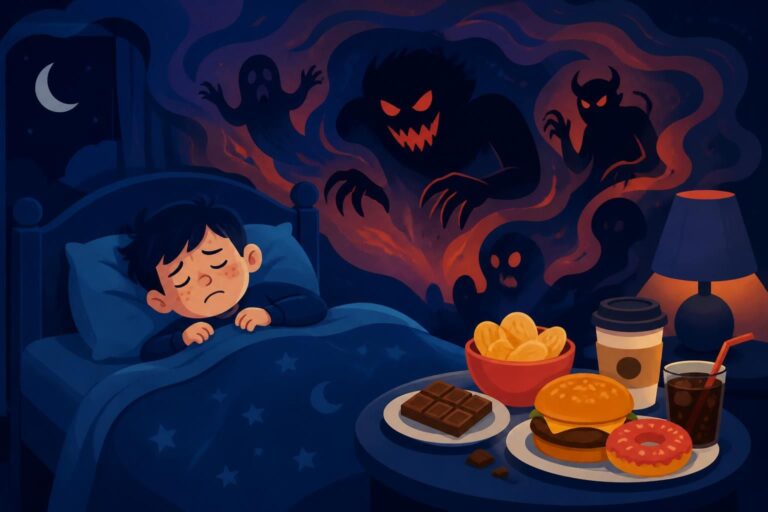
Stuffy Nose Congestion: Stuffy nose and nasal congestion in children: solutions.
When a child has a stuffy nose, the whole household feels it. Nights are broken, meals drag on, and difficulty breathing causes concern. However, with a few precise actions, proven remedies, and informed environmental choices, nasal congestion becomes a manageable symptom again. The challenge is twofold: relieve quickly, then prevent relapses. Because between colds, allergies, and various irritants, little noses go through many trials throughout the year.
This guide details the mechanisms of mucus and sinuses, the signs that should alert you, the home care kit, and the treatment options at the doctor’s office. It is based on real situations encountered at daycare and family life, from Lina, 18 months old, to Sacha, 5 years old, to provide clear benchmarks. Throughout the sections, practical advice is combined with accessible physiological explanations. The goal: to give parents back control of the moment and a lasting strategy to breathe more calmly at home.
| Short on time? Here’s the essentials ⏱️ |
|---|
| ✅ Saline solution wash before meals and bedtime; prefer a spray or dropper adapted to the age. |
| 💧 Hydration + indoor humidity 40–50%; air out for 10 minutes morning and evening. |
| 🛏️ Elevated head (wedge under the mattress) to limit nighttime congestion. |
| 🚫 Avoid nasal decongestants without medical advice in young children; risk of rebound effect. |
| 📅 Consult if symptoms >10 days, high fever, facial pain, or marked breathing difficulties. |
| 🌿 Essential oils only after health advice, never in direct diffusion for infants. |
Stuffy nose in children: understanding nasal congestion and the role of the sinuses
To act correctly, you need to understand what’s happening. The nasal mucosa lines the cavities and communicates with the sinuses. It humidifies the air, captures particles, and moves germs backward thanks to vibrating cilia. When it becomes inflamed, it swells, and the mucus thickens. Result: stuffy nose, snoring, and sometimes cough.
In children, the mucosal surface is proportionally larger. The airways are narrower, so a slight swelling is enough to hinder inspiration. During a viral cold, the immune system triggers mediators that dilate blood vessels. This protects, but difficulty breathing sets in. It’s a normal response, not a failure.
Allergies trigger a similar mechanism but through a different pathway. Pollens, dust mites, or animal hairs stimulate specific cells, causing clear discharge, bouts of sneezing, and itchy eyes. In the bedroom, air that is too dry or too warm also irritates the mucosa, as does tobacco smoke. The perfect cocktail for stubborn congestion.
Concrete example: Lina, 18 months old, attends daycare. Three colds in four weeks, abundant mucus, picky appetite. Between naps, a few well-conducted washes are often enough to reverse the trend. As soon as the air in her room stays around 45% humidity, nights become calmer again. Simple actions make the difference.
Another case: Sacha, 5 years old, sneezes every morning between April and June. The open window onto the garden brings him as much joy as pollen. Yet, with a daily nasal rinse, anti-dust mite bedding, and targeted ventilation, his little nose breathes better. The allergy is not eradicated, but it is managed.
There are also less obvious factors. Sudden temperature changes contract then dilate the nasal vessels. Too cold air conditioning or excessive heating dries out the mucosa, thickens secretions, and slows drainage. Conversely, excessive humidity promotes mold, other feared triggers.
Finally, some situations require specialized advice. Continuously congested sinuses, a nasal voice, a frequently open mouth, and repeated ear infections may suggest enlarged adenoids. An ENT examination will help decide and prevent complications, especially regarding sleep and attention.
Understanding these mechanisms reassures. We are not fighting a simple “fussy nose”; we are accompanying a working mucosa. This is the first step in an effective and lasting strategy.
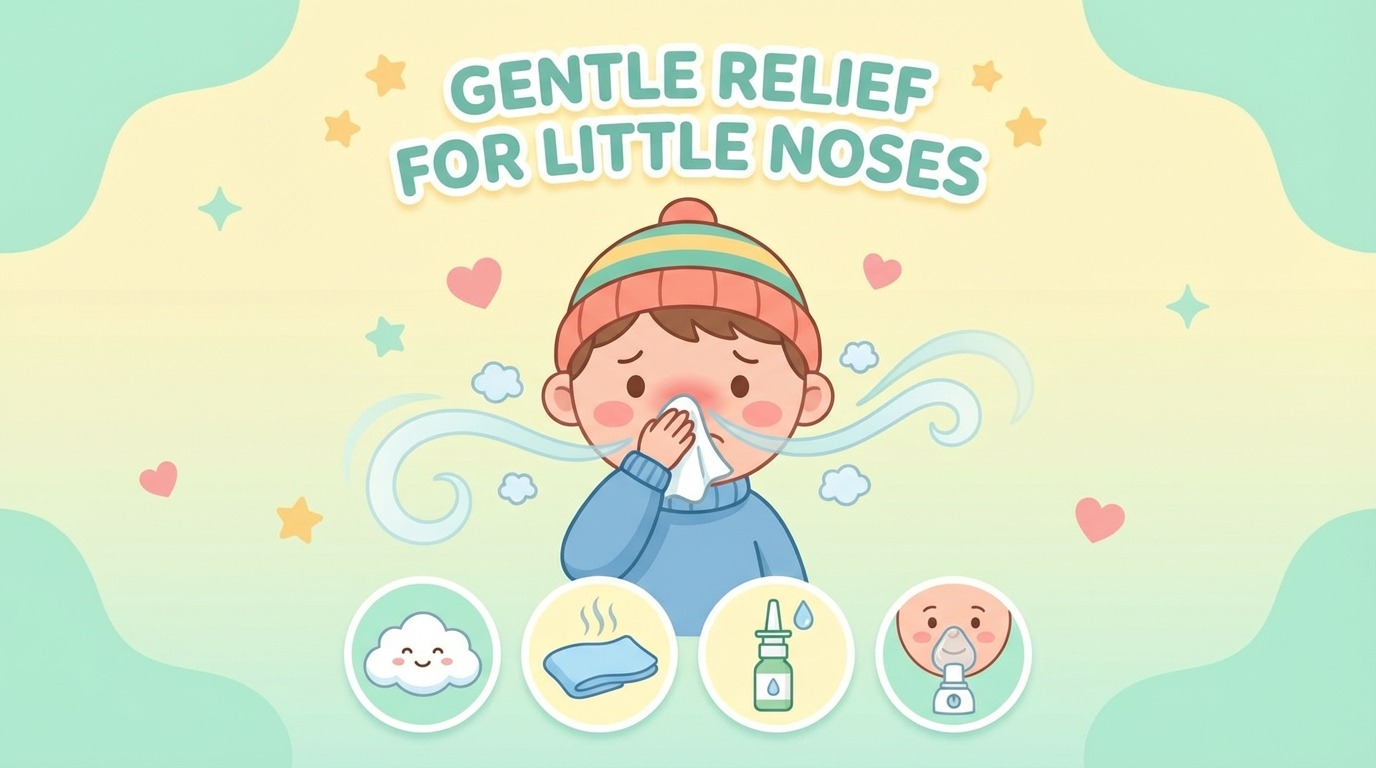
Identifying symptoms, distinguishing cold, allergies, and sinusitis in children
The signs guide action. Clear discharge, sneezing, and watery eyes suggest an allergy, especially if the phenomenon is seasonal. A viral cold often starts with fatigue, slight fever, and mucus that becomes thicker over several days. Yellowish coloring does not always indicate bacteria; it is often a normal evolution.
When should you worry? Facial pain, bad breath, a cough worsening at night, and thick secretions beyond ten days suggest sinusitis. Difficulty breathing with retractions (indentations below the ribs), bluish lips, or dehydration requires prompt consultation. The thermometer becomes an ally: when in doubt, this article helps you orient yourself: taking a child’s fever.
A practical benchmark: difficulty feeding with a bottle in infants is highly suggestive. Since they primarily breathe through the nose, feeding becomes complicated as soon as a stuffy nose sets in. In this case, a nasal wash just before feeding reduces effort and limits choking.
Crying, high heating, and dry air also cause runny noses. In an overheated living room, the mucosal passage becomes fragile. A simple thermostat reduction and daily ventilation quickly soothe the situation. Furthermore, irritated skin around the nostrils deserves a simple, fragrance-free cream, as explained in this helpful guide: baby bumps and redness.
Signs to watch without dramatizing: a child who no longer plays, who dozes, or refuses water while the fever persists. This trio goes beyond a simple cold. Conversely, a little active child who eats a bit and sleeps reasonably often just has a common episode.
Words also matter. If the mouth remains often open and the voice sounds “nasal,” chronic obstruction should be considered. Eventually, this can affect speech. Language benchmarks are detailed here: common questions about language. It is better to intervene early to avoid bad breathing habits.
In summary, observing the rhythm, duration, and context of symptoms guides you to the right response. The goal is not to diagnose definitively at home, but to act quickly and well according to simple criteria.
Home signs checklist
To stay on track, a short list helps a lot. The idea is to go from the most frequent to the most urgent without missing an important signal.
- 🤧 Sneezing + clear discharge = probable allergic cause.
- 🕒 Symptoms >10 days + facial pain = suspicion of sinusitis.
- 🔥 High fever poorly tolerated = medical contact advised.
- 💤 Frequent awakenings + difficulty breathing = elevate head, wash nose, reassess.
- 🚑 Retractions, bluish lips, refusal to drink = emergency.
Safe and effective home remedies: washing, hydration, humidifier, and positioning
The home kit starts with salt water. Washing with saline solution thins the mucus, loosens impurities, and soothes the mucosa. Ideally done before drinks, meals, naps, and bedtime. Three to four times a day suffice, more if necessary during a cold.
Simple technique: the child is placed on their side, the saline dropper directed toward the back of the nostril. Irrigate gently, without forcing, then let it drain. For older children, an isotonic spray provides a consistent mist. Nasal aspirators are useful if congestion hinders feeding; the bulb syringe, less effective, can irritate.
Hydration is healing. Water remains the drink of choice. Age-appropriate warm herbal teas or homemade soup comfort and thin secretions. Besides, the air quality in the room matters a lot. A well-maintained humidifier keeps humidity at 40–50%. Water must be changed daily and the device cleaned weekly to avoid germs.
Sleeping position also plays a role. A wedge under the mattress elevates the upper body and limits secretion stagnation. Free pillows are avoided in infants, for safety. After bathing, the steam from the bathroom offers a gentle and risk-free inhalation; always keep a distance from hot water.
Regarding essential oils, caution is required. No diffusion in the infant’s room, nor skin application without professional advice. Some molecules can irritate or trigger spasms. The rule is simple: safety first, gentle remedies next.
As a daily benchmark, this seasonal guide helps anticipate viral peaks and organize the home: preparing your child for winter illnesses. By planning washes, outings, and bedtimes, the routine simplifies and sleep improves in quality.
Step-by-step nasal washing instructions
A structured approach reassures the child and adult. These steps reduce struggle and increase the effectiveness of the act.
- 🧼 Wash hands and explain in a few words what will happen.
- 🧒 Place the child on their side, support the head without squeezing.
- 🫗 Insert the dropper and irrigate gently toward the back.
- 🧻 Wipe, allow coughing if needed, and repeat on the other side.
- 🌙 Schedule before meal/nap/bedtime for maximum comfort.
For visualizing the technique, a video demonstration helps build confidence.
In the end, a clear protocol, rigorous hygiene, and a gentle attitude turn a dreaded moment into a soothing routine. It’s a daily victory over nasal congestion.
Medical treatments and when to consult: allergy, sinusitis, adenoids, and the role of ENT
Most episodes are managed at home. However, some situations require medical advice. Symptoms lasting more than ten days with thick discharge, facial pain, or high and poorly tolerated fever suggest bacterial sinusitis. The doctor then assesses the need for antibiotics and the length of treatment.
For allergic rhinitis, second-generation antihistamines can relieve itching and discharge, depending on age. Low-dose nasal corticosteroids, when used properly, reduce mucosal inflammation. Correct technique and regularity matter more than the strength of the spray.
Fast-acting decongestant sprays should be avoided in young children unless specifically indicated. They relieve temporarily but promote rebound congestion. Prolonged use irritates the mucosa and complicates withdrawal. This rule prevents many restless nights.
In children who primarily breathe through the mouth, snore, and accumulate ear infections, adenoid hypertrophy is sometimes the cause. An ENT assessment evaluates the volume and impact on sleep. In some cases, adenoidectomy improves airflow and daytime attention.
In the family context, a coughing parent or one taking medication must also protect themselves. During pregnancy, it’s better to seek the pharmacist’s advice, as noted here: lozenges and pregnancy. A healthy home helps the child heal.
Reliability of signs guides urgency. A poorly reactive child who drinks poorly or struggles to breathe must be seen quickly. Conversely, moderate discomfort, resumed play, and clearly improved sleep argue for continued home care.
Finally, education on nose blowing changes the game around 4–5 years old. Learning to blow gently, one nostril at a time, reduces congestion and prevents ear infections. Some age-appropriate benchmarks are found here: development around 5 years old. Daily pedagogy is worth many treatments.
The key to therapeutic success remains a triptych: proper indication, correct gesture, and proper duration. This distinguishes ineffective persistence from truly liberating care.
Preventing nasal congestion: environment, routine, and winning habits
Prevention is in the details. Healthy indoor air limits irritations: twice-daily ventilation, 40–50% humidity, damp dusting, and HEPA filter on the vacuum. Tobacco has no place at home, even at the window. A small nose retains everything and reacts quickly.
Outings remain essential. Outdoor movement stimulates immunity, even in winter. Well covered, a child enjoys fresh air without risk; these practical benchmarks reassure families: playing outside with baby. A moving body breathes better, quality sleep follows.
Daily habits help thin secretions: water readily available, vitamin C-rich fruits, soups in the evening. Some kids develop a temporary dislike for certain foods; tips to overcome refusals here: dislike and feeding. The goal isn’t “perfect eating” but staying hydrated and consistent.
Bedtime routine counts a lot. A tidy room, no excess stuffed animals, bedding washed regularly at 60 °C, and a curtain opened for ten minutes to air out. The comfort object is washed too; it traps dust and allergens. Breathing is thus less hindered.
Finally, clean hands remain the best defense against the cold. A short song guides washing, hand sanitizer after school, and disposable tissues available. These simple gestures prevent many infections that end as a stuffy nose.
To go further, this checklist compiles useful seasonal actions without complicating life: anticipating winter episodes. Thinking ahead means less improvising when nasal congestion strikes.
Weekly anti-congestion routine
A clear organization anchors lasting reflexes. It limits improvisation and reduces stress during sensitive periods.
- 📆 Sunday evening: check humidifier, change water, clean the tank.
- 🧺 Monday: wash sheets/pillows at 60 °C, air the room for 10 minutes.
- 🧴 Wednesday: sort stuffed animals, wash the comfort object, damp dust.
- 🥣 Friday: prepare a soup rich in vegetables and water for the weekend.
- 🎒 Every day: nasal wash before bedtime if mucus is present.
To boost motivation, a short video on barrier gestures in children remains inspiring and concrete.
Prevention is not adding constraints; it is choosing simple automatisms that free breath and mind.
{“@context”:”https://schema.org”,”@type”:”FAQPage”,”mainEntity”:[{“@type”:”Question”,”name”:”How many nasal washes per day during a cold?”,”acceptedAnswer”:{“@type”:”Answer”,”text”:”Three to four spaced washes generally suffice: before meals, nap, and bedtime. In case of difficulty breathing, an additional wash can be added. The important thing is gentleness of the gesture and regularity, more than quantity.”}},{“@type”:”Question”,”name”:”Should nasal decongestants be used in children?”,”acceptedAnswer”:{“@type”:”Answer”,”text”:”Not without medical advice. These products can cause rebound congestion and irritate the mucosa. Prefer saline solution, air humidification, and, if necessary, a prescribed treatment (antihistamine, nasal corticosteroid) depending on the cause.”}},{“@type”:”Question”,”name”:”When to suspect allergy rather than a cold?”,”acceptedAnswer”:{“@type”:”Answer”,”text”:”If sneezing in bursts, clear discharge, and itchy eyes recur at the same times or on contact with animals/dust, allergy is probable. Medical advice allows adapting the environment and treatment.”}},{“@type”:”Question”,”name”:”My baby won’t eat because of a stuffy nose, what to do?”,”acceptedAnswer”:{“@type”:”Answer”,”text”:”Wash the nose just before the bottle, split feedings, and offer water between. Slightly elevate the head of the bed and humidify the air. If discomfort persists or the baby drinks too little, consult without delay.”}},{“@type”:”Question”,”name”:”Are essential oils suitable for children?”,”acceptedAnswer”:{“@type”:”Answer”,”text”:”Caution is necessary. No diffusion in the infant’s room, nor cutaneous application without health advice. Prefer proven solutions: saline solution, controlled humidity, and rest.”}}]}How many nasal washes per day during a cold?
Three to four spaced washes generally suffice: before meals, nap, and bedtime. In case of difficulty breathing, an additional wash can be added. The important thing is gentleness of the gesture and regularity, more than quantity.
Should nasal decongestants be used in children?
Not without medical advice. These products can cause rebound congestion and irritate the mucosa. Prefer saline solution, air humidification, and, if necessary, a prescribed treatment (antihistamine, nasal corticosteroid) depending on the cause.
When to suspect allergy rather than a cold?
If sneezing in bursts, clear discharge, and itchy eyes recur at the same times or on contact with animals/dust, allergy is probable. Medical advice allows adapting the environment and treatment.
My baby won’t eat because of a stuffy nose, what to do?
Wash the nose just before the bottle, split feedings, and offer water between. Slightly elevate the head of the bed and humidify the air. If discomfort persists or the baby drinks too little, consult without delay.
Are essential oils suitable for children?
Caution is necessary. No diffusion in the infant’s room, nor cutaneous application without health advice. Prefer proven solutions: saline solution, controlled humidity, and rest.
“A little nose that breathes better means a whole family regains its breath.” 💫